Chains, Track Groups, And Tension-System Requests
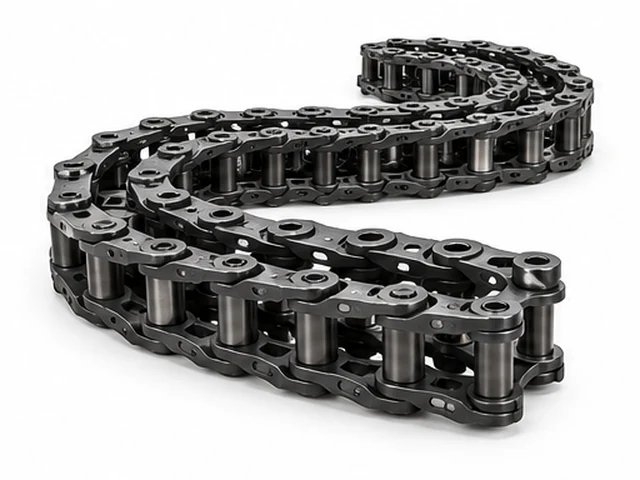
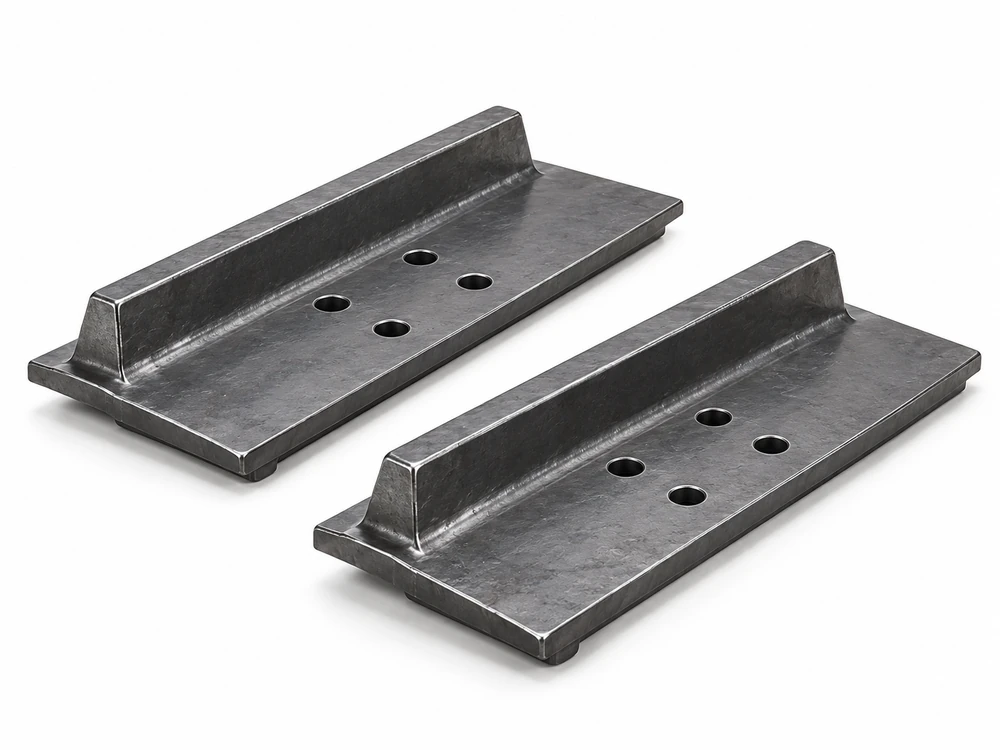
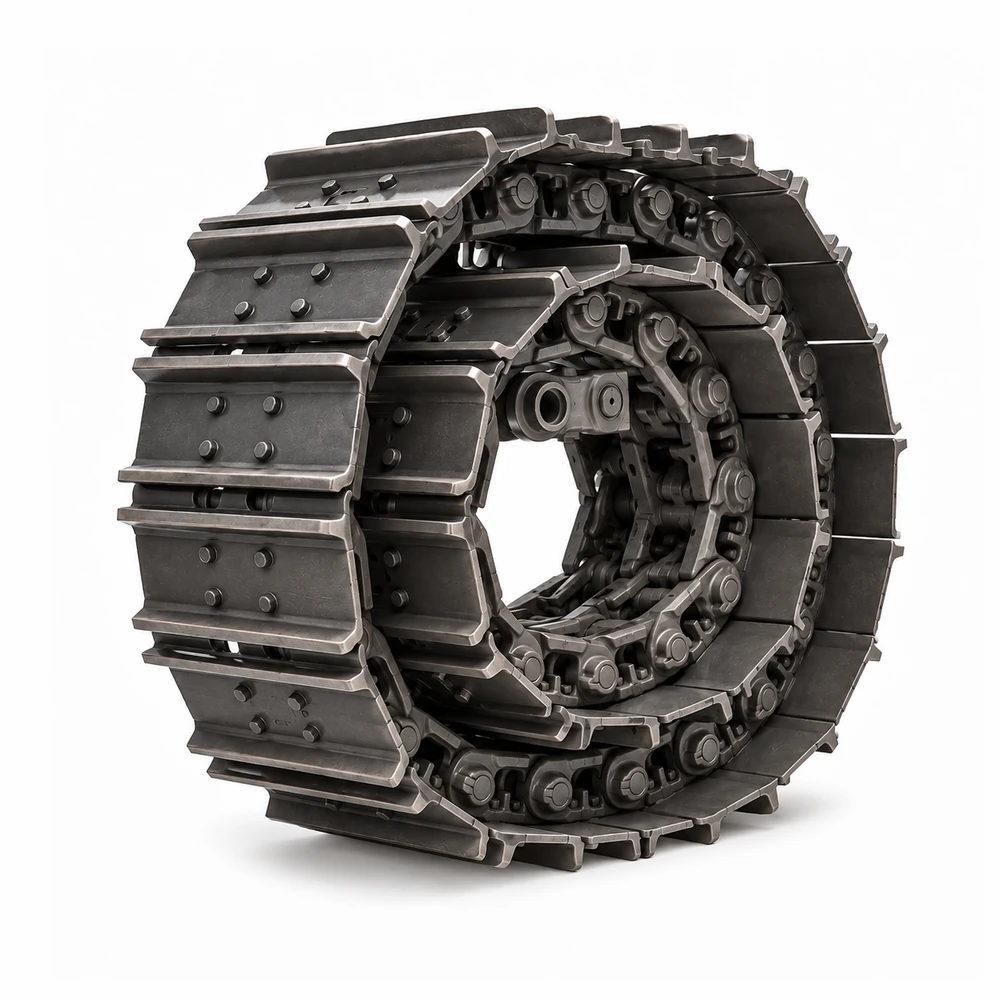
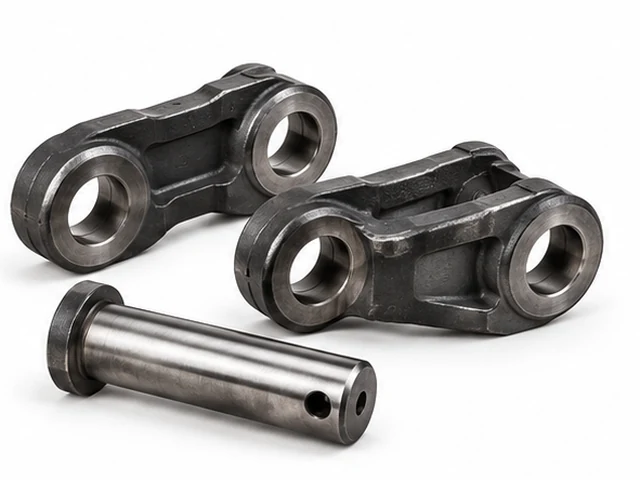
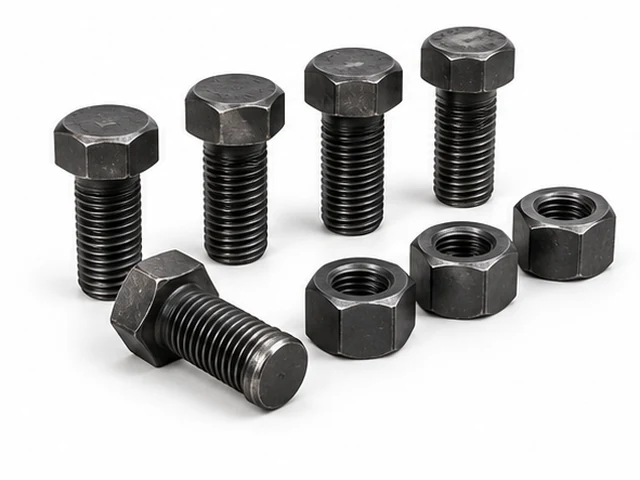
A chain-only inquiry should include links per side, joint design, connection, and the shoes to be reused. An assembled-group inquiry needs the proposed shoe width and grouser specification as well. Ask for connection components and fasteners to be listed so the supplied scope can be compared with the workshop’s installation plan.
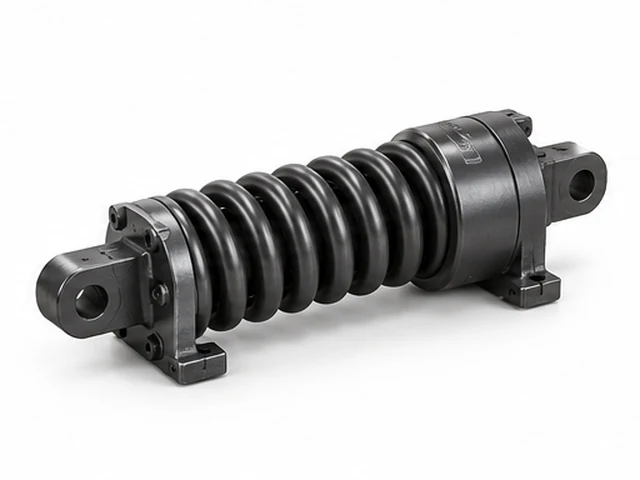
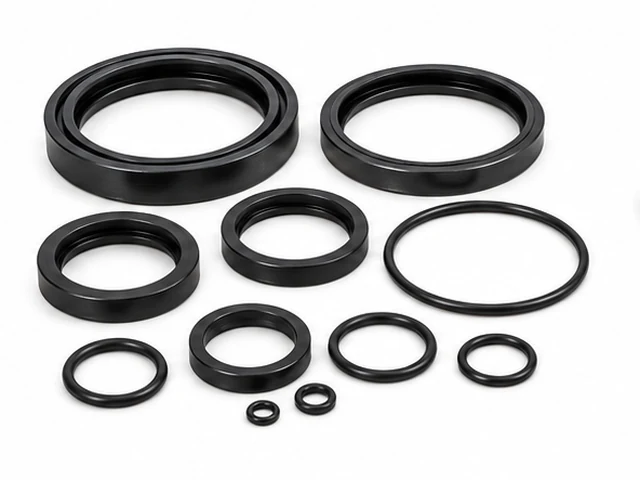
If a track repeatedly loses tension, have the adjuster and surrounding assemblies inspected. Keep a seal-kit repair, cylinder work, and chain replacement as separate lines. The workshop should identify the components it intends to reuse and any hard parts needing replacement. This produces a clearer proposal than combining different repairs under one track description.
Rollers, Idlers, Sprockets, And Guards
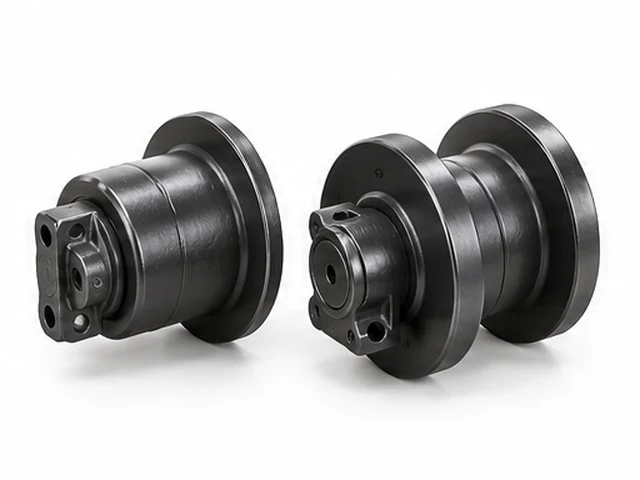
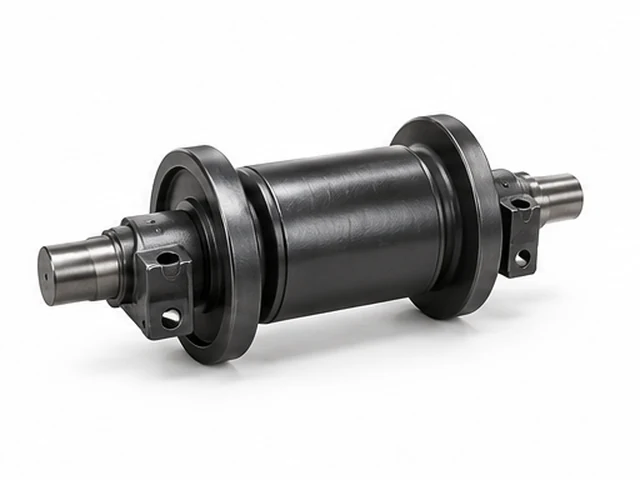
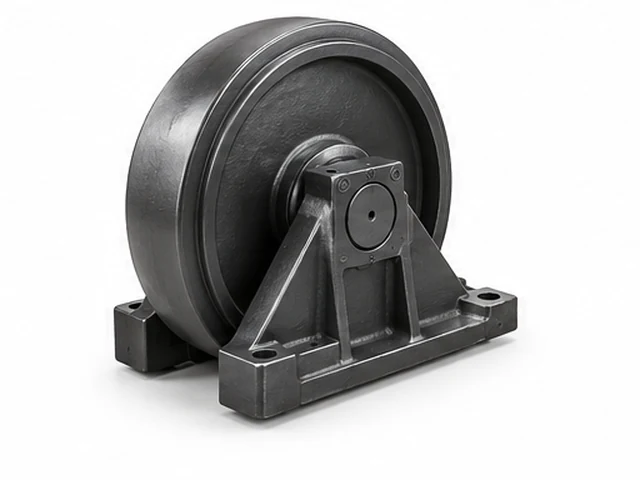
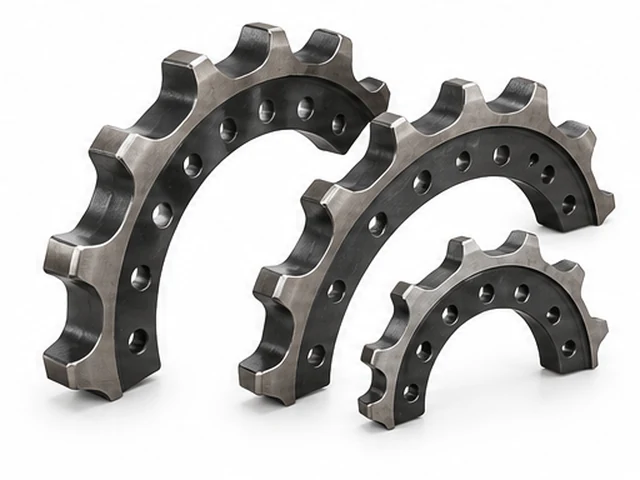
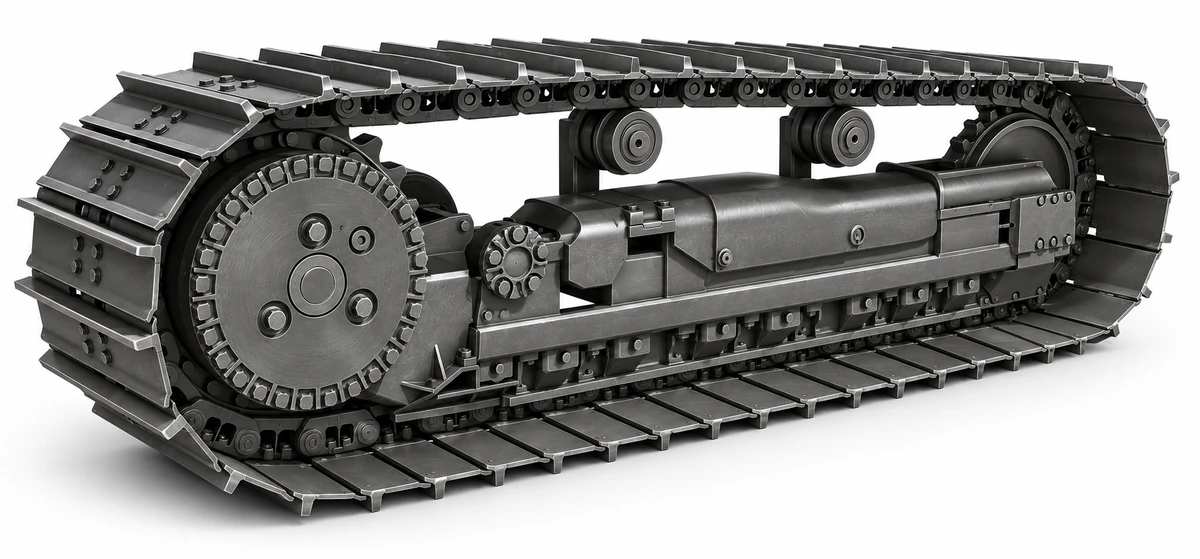
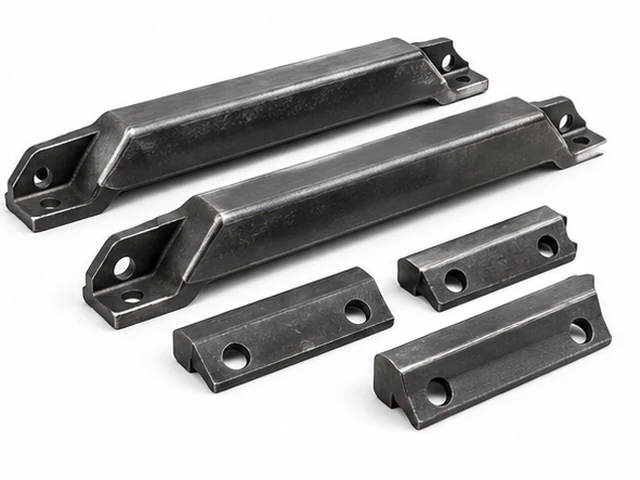
List roller positions, quantity, flange types where known, and mounting identification. Clarify wheel-only or assembled-idler requirements and identify drive segments or complete sprockets. Add guard position, brackets, and hardware when those parts need attention. Each line should describe what the supplier needs to identify and what the shop plans to install.
Have a qualified technician record wear and defects on both sides using the service information for the machine. Review the contacting chain, guide surfaces, and mounting points when individual components are replaced. If several assemblies are near their limits, ask for a wider itemized option alongside the narrower repair scope.
Requesting CASE Pricing And A Complete Repair Budget
Provide the full machine designation, serial number, existing part numbers, quantities, delivery ZIP code, and repair window. Ask for fitment confirmation, availability, lead time, and hardware inclusion. Have the workshop separate installation labor, shoe transfer, and additional frame, guide, or cylinder work so each proposal reflects the same finished scope.
Confirm packed weights, dimensions, freight, and unloading needs for large assemblies. Review the supply scope and return conditions for the exact parts selection. Keep retained components and exclusions visible until the order is finalized. Record the supplied assembly numbers after installation so future CASE parts requests describe the system actually in service.
CASE Parts Knowledge For A Faster Quote
Keep the CASE series, serial number, and track configuration together. Our category notes distinguish right and left adjuster yokes, sealed and extended-life chain service scopes, individual seals, and supporting idler guides. An itemized repair list helps separate the complete assemblies from the service pieces needed for the actual work.
Fast quotes and fast shipping start with the complete repair scope. Add quantities, required hardware, delivery ZIP code, and the date your workshop needs the parts. Ask for stock, dispatch timing, freight, and estimated delivery to be confirmed together. For heavy assemblies, include receiving hours and unloading access so the delivery plan supports the repair schedule.
Manufacturer ReferencesUse the parts and service information for your machine’s complete designation and serial number when confirming a replacement.