
FAST QUOTES · FAST SHIPPING · LESS DOWNTIMEFor owner-operators, contractors & fleets

CASE 750 Undercarriage Parts

Request aftermarket chains, rollers, idlers, sprockets, and shoes for a CASE 750 crawler dozer. Identify the complete model, serial number, and LT, WT, LGP, or other installed arrangement before selecting parts. Use the quote form to confirm fitment and shipping for the repair.

Request A Quote

Aftermarket Parts For Your 750 Dozer

The 750 name covers early crawler tractors and later H-, K-, L-, and M-series dozers. CASE's parts catalog preserves early 750 serial records, while the archived 750K Series 2 specifications list LT, WT, and LGP models. Keep the generation and configuration together throughout the quote.

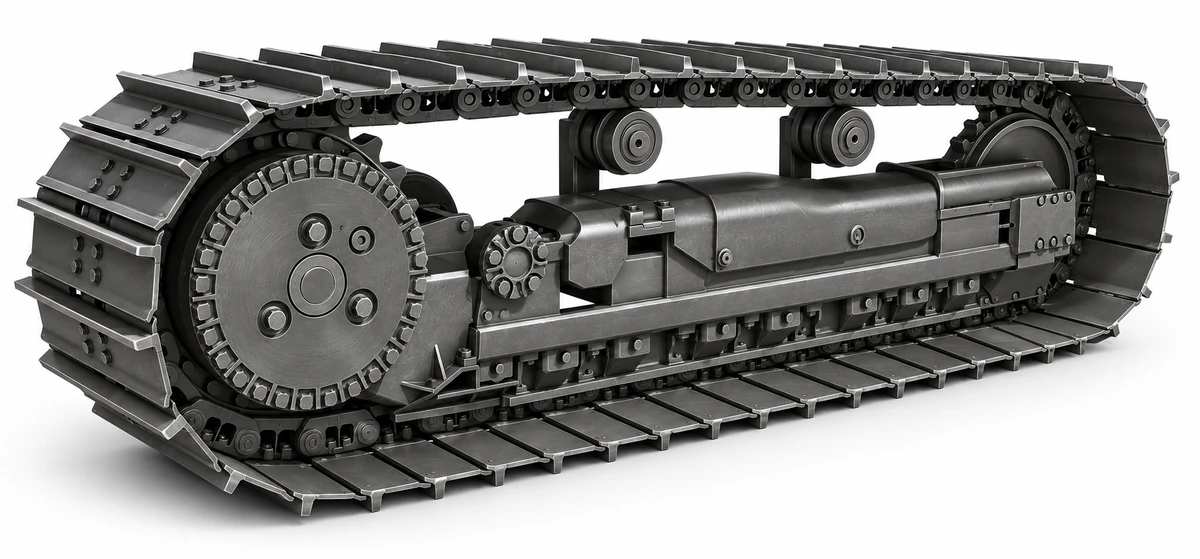
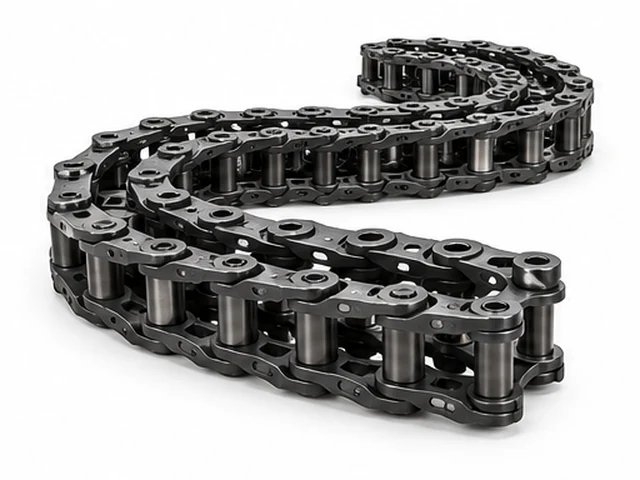
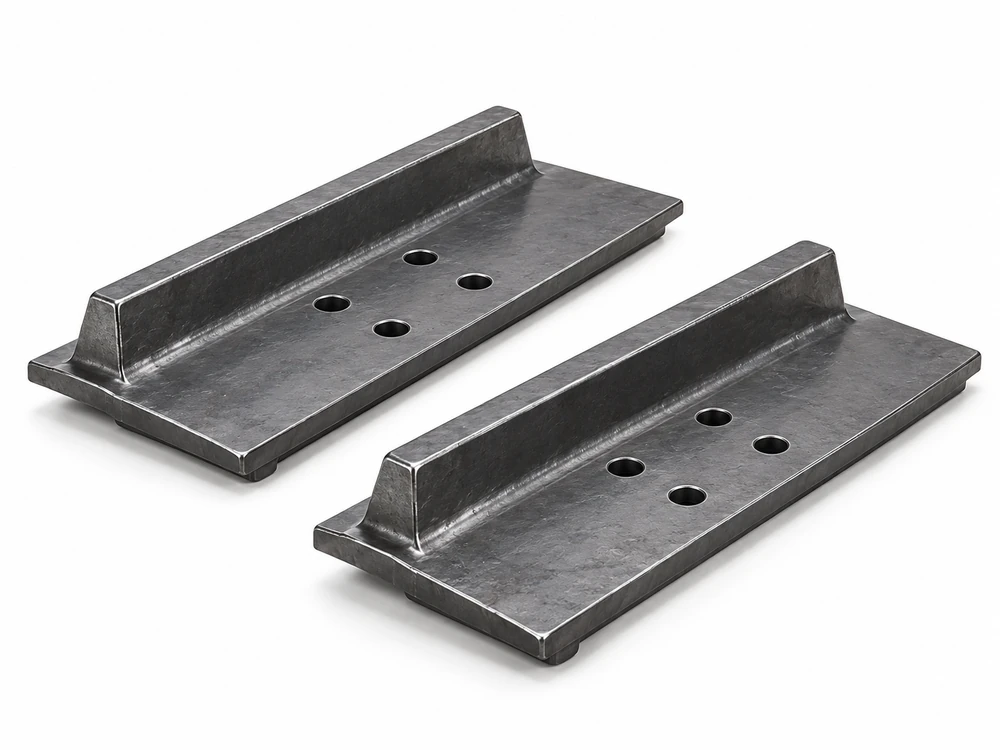
For chains or assembled groups, record links per side, master style, shoe width, grouser form, bolt pattern, and readable markings. Reusing shoes requires inspection of plates, grousers, holes, and mounting faces. Include transfer labor and specified fasteners when comparing that work with assembled groups.

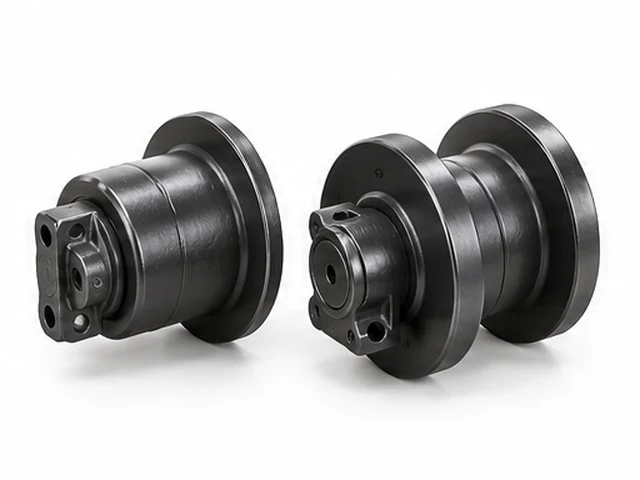
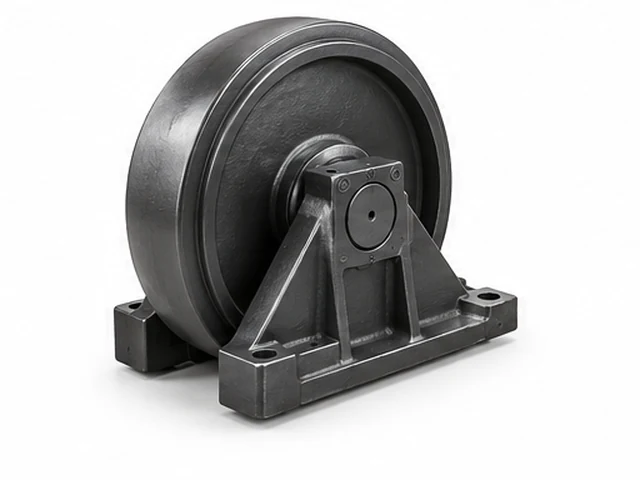
Map bottom rollers from front to rear and note flange form. Identify carrier rollers and idlers separately, including supports and mounts. Photograph both sides because earlier repairs may have changed only one assembly. A commercial multi-model fitment list still needs verification against the serial and installed part.

Itemize two track sides, rollers, idlers, sprockets, shoes, master parts, and hardware. Add diagnosed adjuster, recoil, guard, guide, or frame work separately. Confirm actual availability and shipment terms for every quoted line before scheduling the shop.

Part Information For Your 750 Quote

Keep the 750 generation, configuration, installed components, and delivery plan in one request:

  • Complete CASE 750 designation and suffix, full serial number, and identification-plate photograph.
  • LT, WT, LGP, or other configuration, shoe width, gauge when requested, blade, and conversion history.
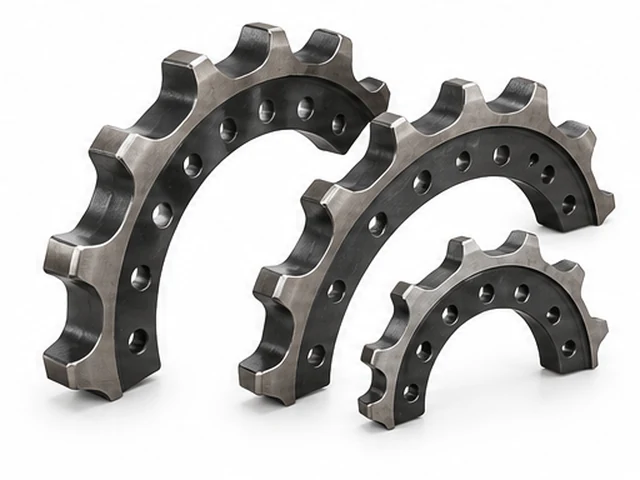
  • Chain markings, links per side, master connection, requested measurements, and sprocket photos.
  • Roller sequence and flange map, carrier rollers, idler supports, mounts, quantities, and references.
  • Loose chains or assembled groups, components to retain, joining parts, fasteners, and repair sides.
  • Delivery postal code, commercial access, unloading method, needed-by date, and machine-down status.

If the plate and installed parts point to different generations, send both records and leave the difference unresolved for review. Confirm the current replacement, availability, dispatch, shipment grouping, freight, transit, returns, and warranty terms in writing.

Use the Undercarriage Quote Checklist to organize your machine records, or the Track Chain Buying Guide when identifying a chain and its mating parts.
About The CASE 750 Bulldozer

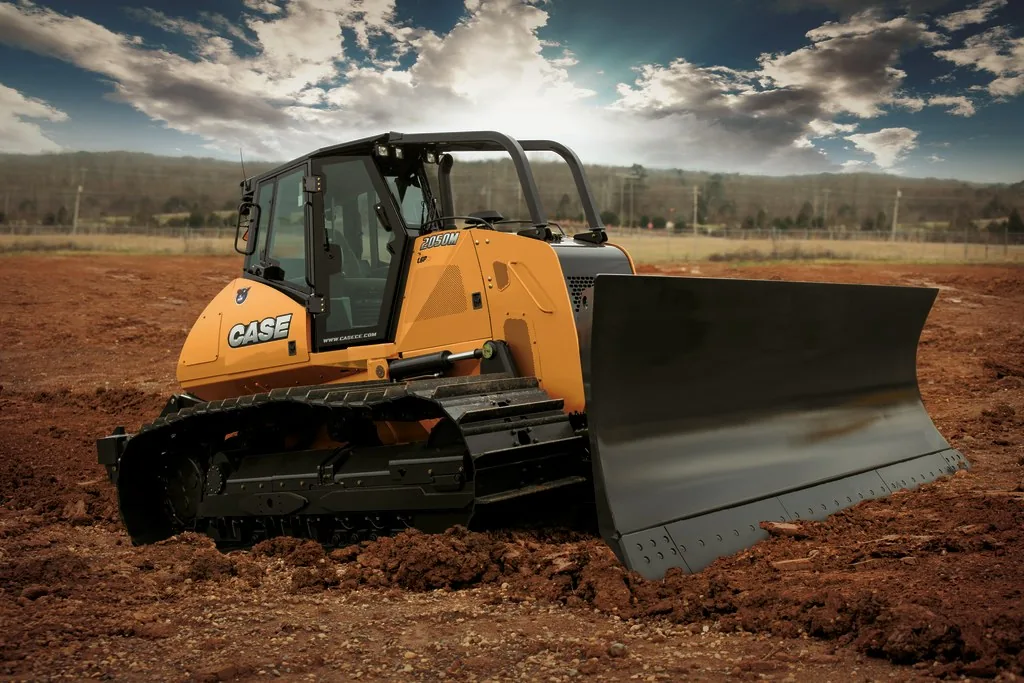
CASE records identify an early 750 crawler tractor as well as later 750K Series 2 dozers. The 750K Series 2 specification lists separate LT, WT, and LGP operating configurations. The family has served in grading, site development, road work, and general dozing, often through several undercarriage replacement cycles.

CASE 750 Manufacturer Reference Details
Manufacturer ReferencesCASE parts catalog and 750K Series 2 specification
Verified 750K ConfigurationsLT, WT, and LGP
Generation NoteEarly 750 and later K-series records are separate
Parts LookupComplete model suffix and serial required
Ordering EvidenceInstalled chain, shoe, roller, idler, and sprocket details
Fitment RuleDo not infer interchange across 750 generations

Reference figures describe the named series and equipment, not every machine in the family. Check the record for your own serial number and installed configuration.

Distinguishing The 750 Dozer From Other 750 Models

An early CASE 750 crawler, 750H, 750K, 750L, and 750M are different records. The existing 750M page covers the current M-series search. This page addresses older 750 owners and preserves the suffix and configuration needed for a serial-based review.

How To Find The Right Undercarriage Parts For Your 750

  1. Read the full 750 designation and serial from the machine plate rather than a fleet nickname.
  2. Compare the recorded LT, WT, LGP, or other arrangement with the actual track frames and shoes.
  3. Count links, document the joint, and map rollers and idlers by side and position.
  4. Have a technician inspect chains, drive surfaces, rolling components, shoes, guides, tensioning, and frame condition.
  5. Confirm exact assemblies, quantities, retained parts, hardware, freight, and unloading before teardown.

CASE 750 Track Length And Ground-Pressure Configurations Need Separate Review

The official 750K Series 2 record lists LT, WT, and LGP models. Those configurations can change the evidence a parts supplier needs, including shoe width, gauge, track length, roller sequence, and chain details.

Do not identify the arrangement from shoe width alone. Compare the plate, product records, frame, link count, gauge, shoes, and blade setup.

A chain-only repair should include sprocket-engagement and roller-condition evidence. New rails working against badly worn retained components can shorten service life.

When a machine is down, send failure photos and the complete scope together. Urgency should improve quote and freight coordination, not remove identification checks.

Fast Quotes. Fast Shipping. Less Downtime.

Send your machine, parts list, delivery ZIP code, and needed-by date. Confirm availability and shipping options for your repair.

Get A Fast Parts Quote