Identifying Installed Chains, Shoes, And Connections
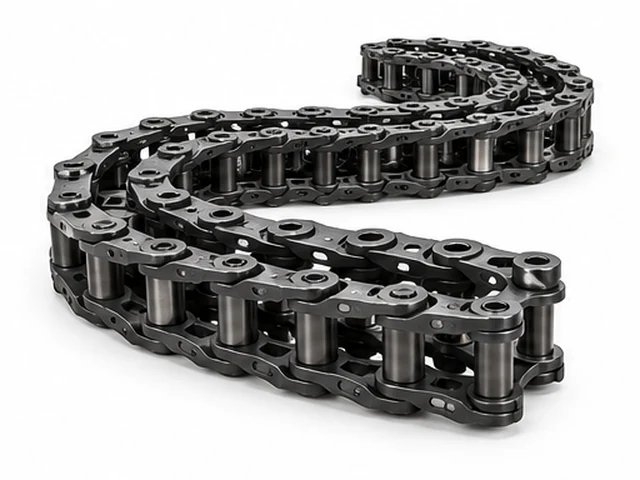
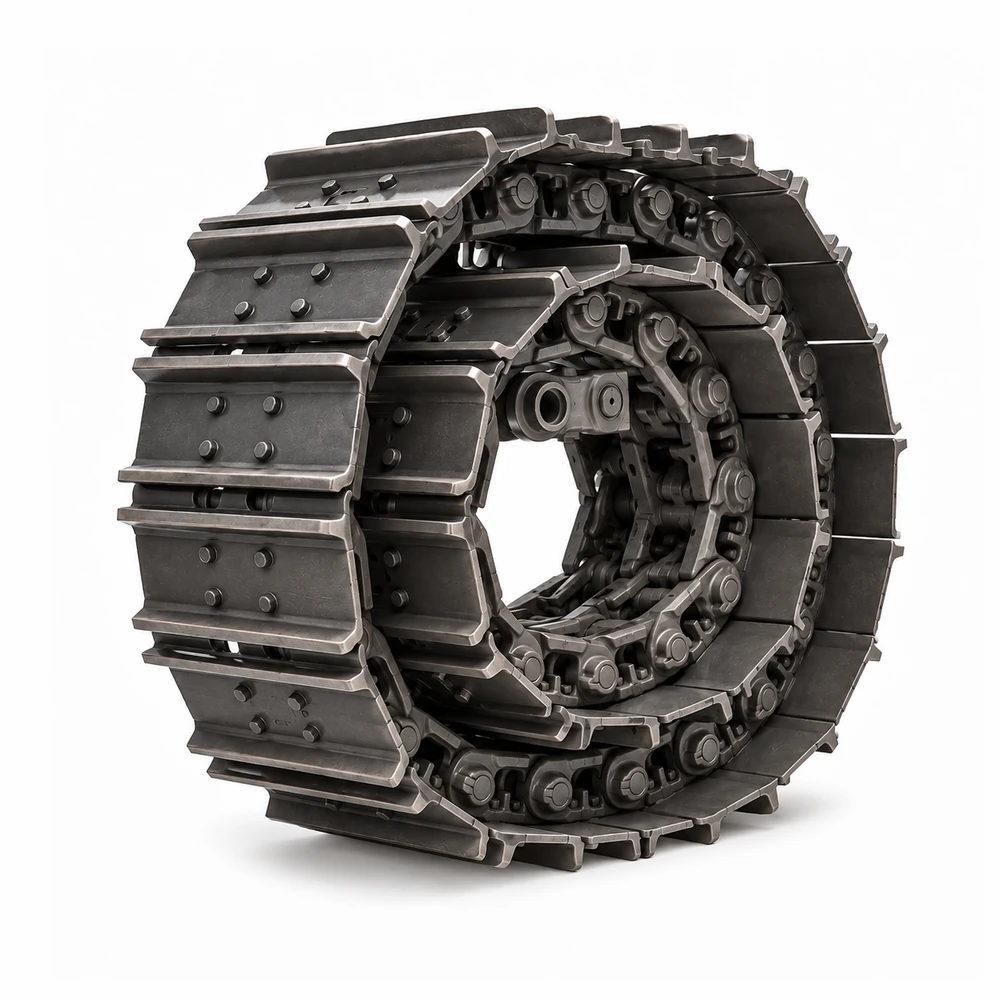
Record the chain number, links per side, shoe width, joint design, and master connection where known. Earlier repairs may have changed the system from its original arrangement. Include replacement records so the supplier can review the current chain and its mating components instead of relying solely on the broad TD family label.
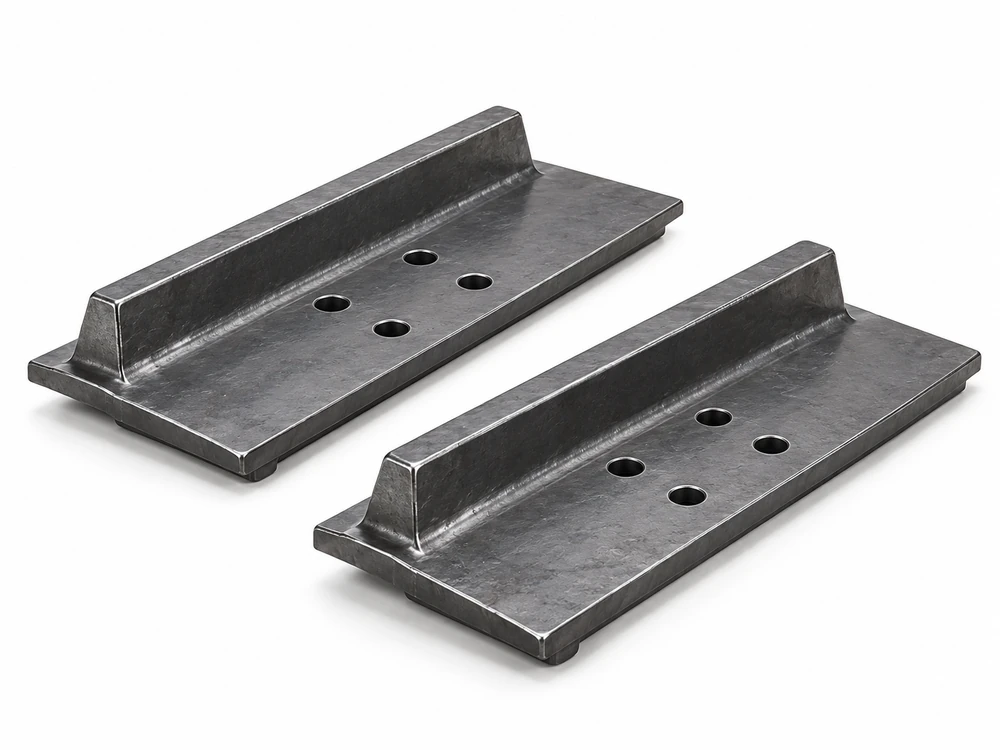
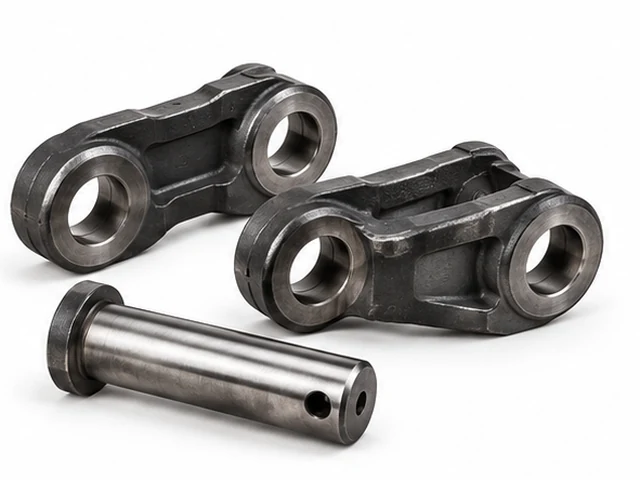
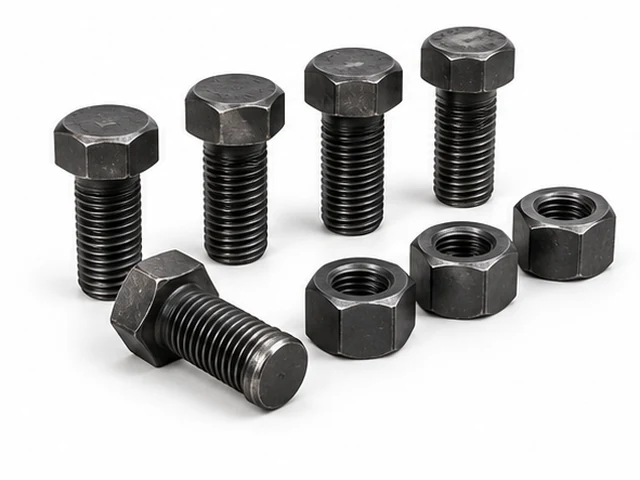
For retained shoes, have the plates and mounting holes inspected and ask for chain mounting compatibility to be confirmed. For assembled groups, state the shoe specification and required side quantity. Request the connection components and fasteners explicitly. That defines a more useful finished scope than an abbreviated request for tracks.
Roller, Idler, Drive, And Guard Repair Planning
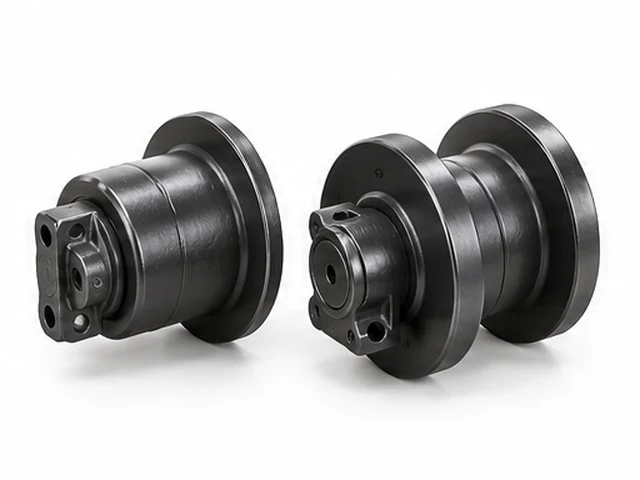
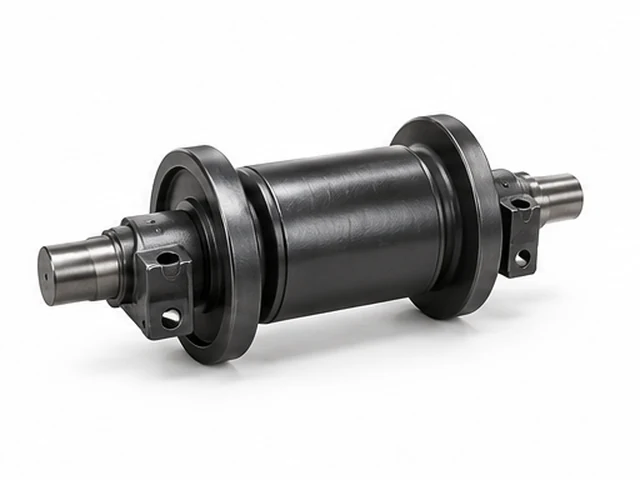
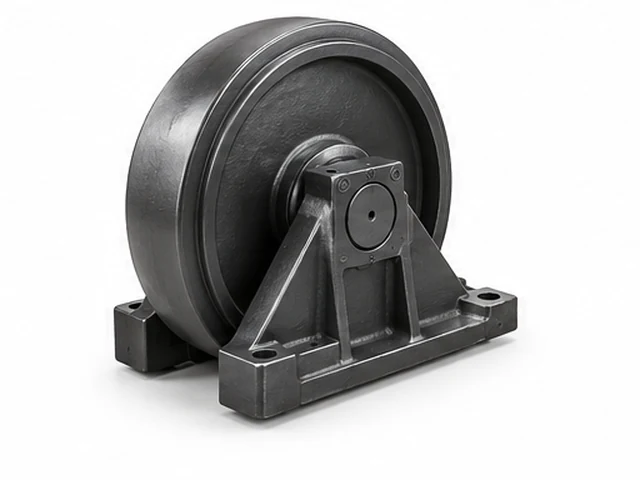
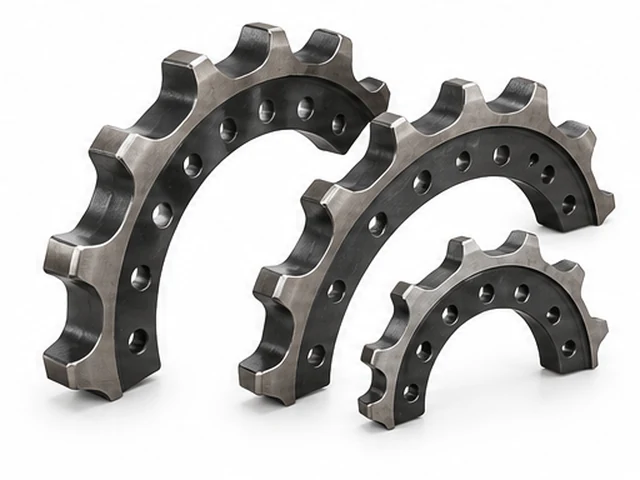
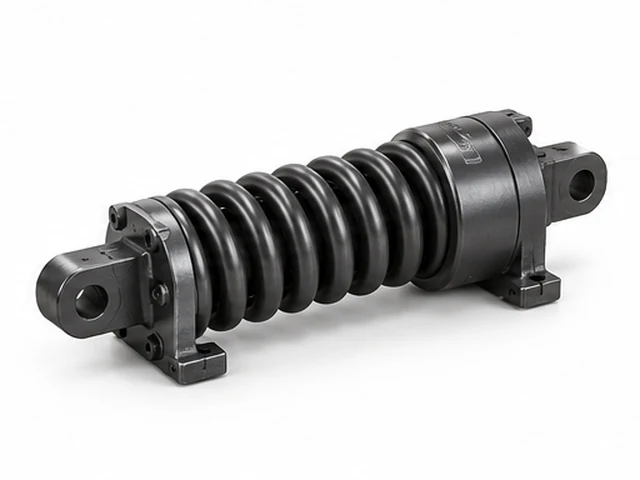
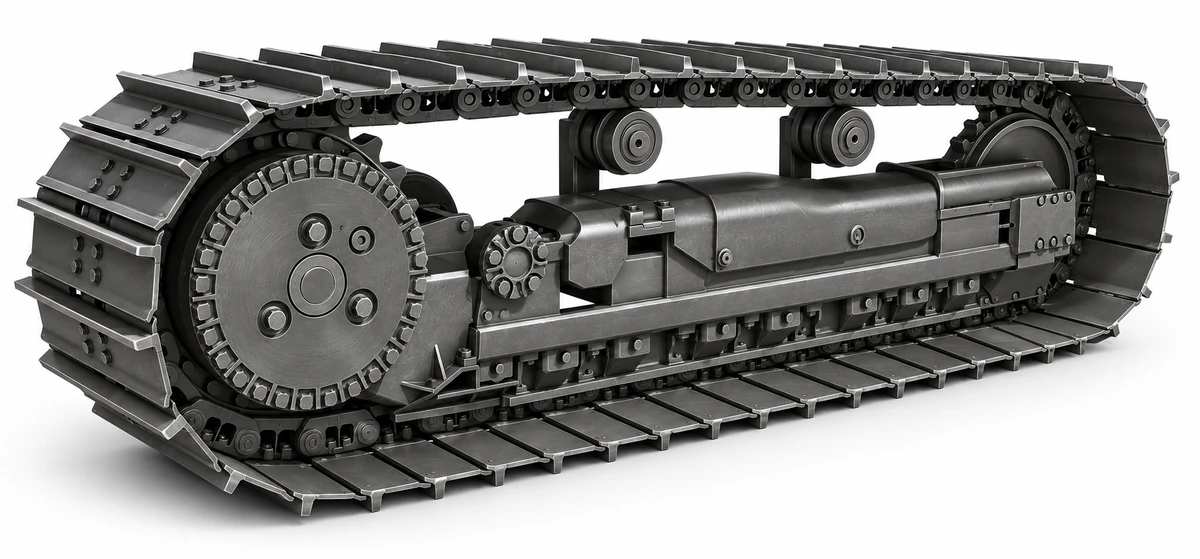
List rollers by side, mounting position, flange type where known, and quantity. Identify the idler wheel or assembly scope and the drive sprocket or segment arrangement. For guards, add the exact mounting location, brackets, and required hardware. If a number is missing, ask which measurements and records can resolve the component.
Have the shop assess both sides and record uneven wear, leakage, damaged shoes, guide condition, and mounting defects. Use the service criteria for the actual machine and installed system. A partial repair and a complete replacement may retain different assemblies; ask the supplier to show that distinction in the component list.
Comparing Proposals For Older And Current Machines
Provide part identification, quantities, delivery location, and the planned repair window. Ask for written fitment confirmation, availability, hardware inclusion, and lead time for the specified assembly. Where additional identification is required, complete that review before committing to workshop dates. Keep separate service work for cylinders, guides, or frame repairs in the job plan.
For larger assemblies, request packed weights, dimensions, freight, and unloading needs. Compare the delivered parts and workshop work using the same scope and retained components. Review supplied contents and return terms for the actual proposal. Save the installed component numbers after the repair so future TD-series inquiries begin with reliable records of the machine in service.
Dressta / Dresser Parts Knowledge For A Faster Quote
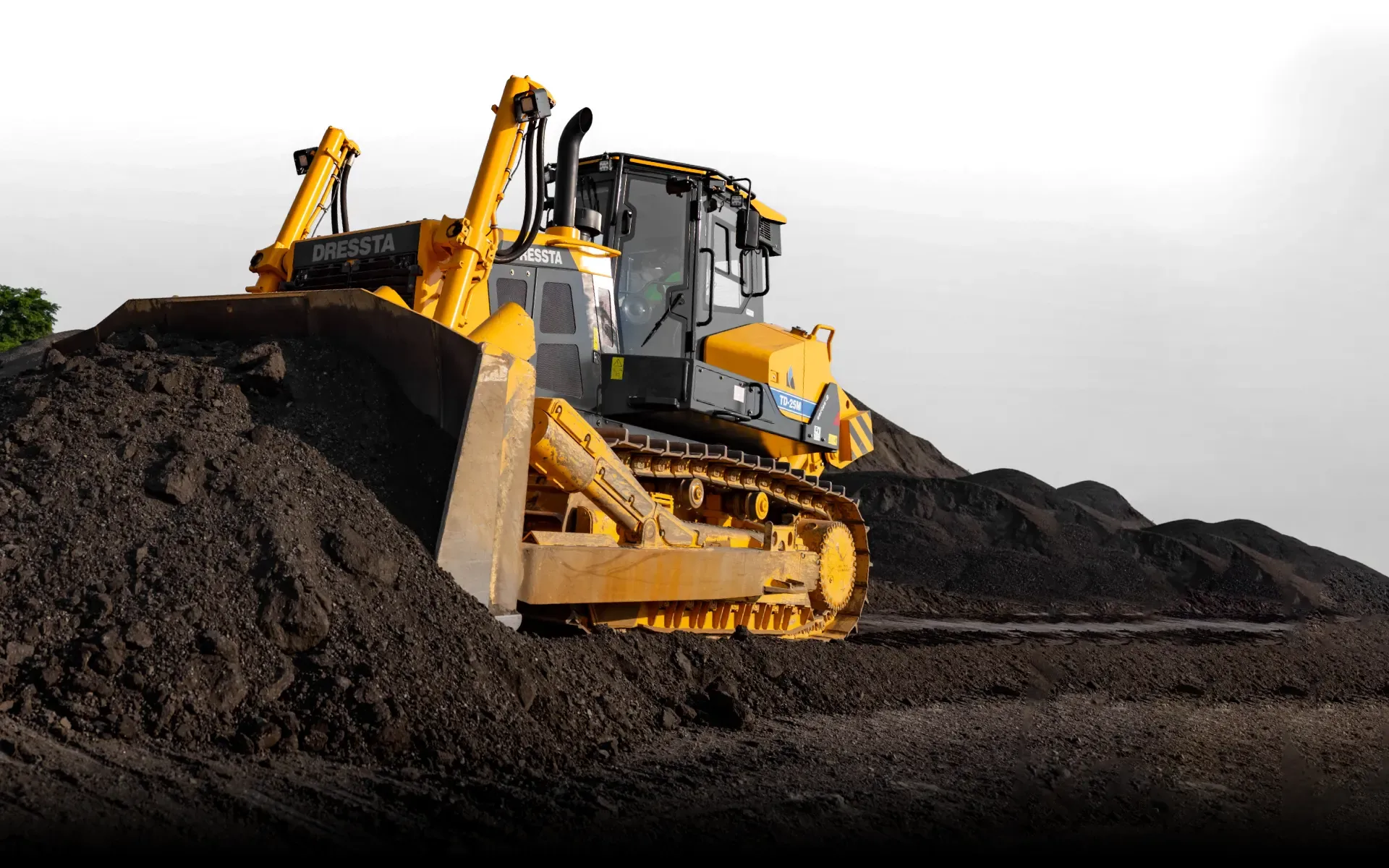
On a legacy TD machine, keep the manufacturer shown on the plate, the full suffix, and readable installed component references. Our Dresser/Dressta notes distinguish current application examples from historical International Harvester records. Fork orientation, shield position, roller flange arrangement, and the actual chain connection help resolve a request when older terminology or previous repairs complicate identification.
Fast quotes and fast shipping start with the complete repair scope. Add quantities, required hardware, delivery ZIP code, and the date your workshop needs the parts. Ask for stock, dispatch timing, freight, and estimated delivery to be confirmed together. For heavy assemblies, include receiving hours and unloading access so the delivery plan supports the repair schedule.
Manufacturer ReferencesUse the parts and service information for your machine’s complete designation and serial number when confirming a replacement.