Aftermarket Bottom Rollers
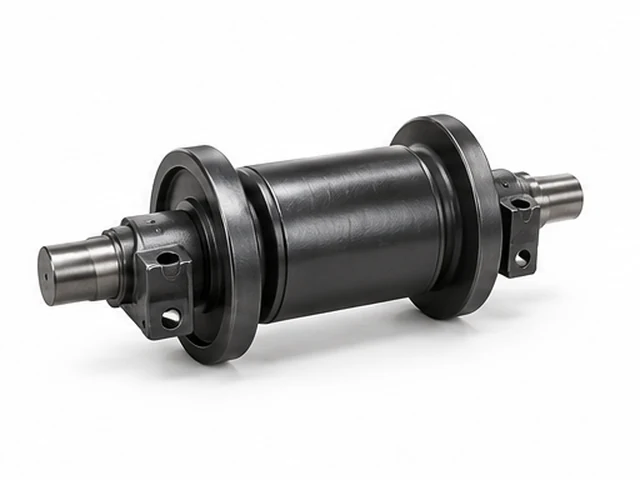
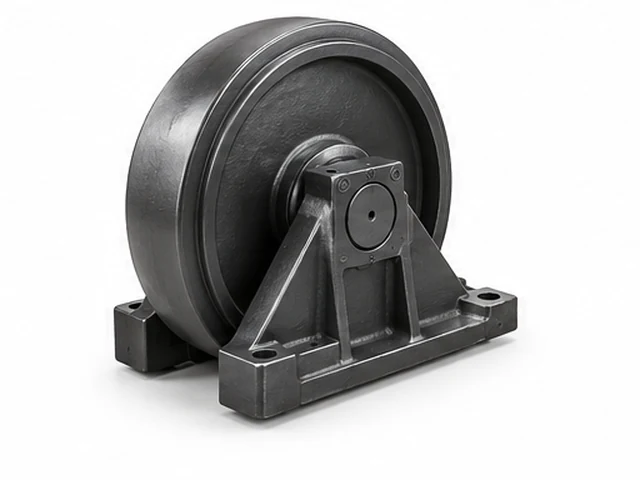
A bottom roller, or lower track roller, supports the dozer on the track-chain rails beneath the track frame. Its tread carries the load and its flanges help guide the chain. A replacement must match the roller position, flange arrangement, and frame mounting details. A roller that bolts on but has the wrong running profile is not a complete fitment check.
Supporting Components
- The roller shell provides the tread and guide flange surfaces.
- The shaft, bushings or bearings, and thrust components support rotation within the assembly.
- Seals retain lubricant and help exclude contamination; the design varies by roller.
- End collars, mounting caps or brackets, and specified bolts attach the roller to the frame.
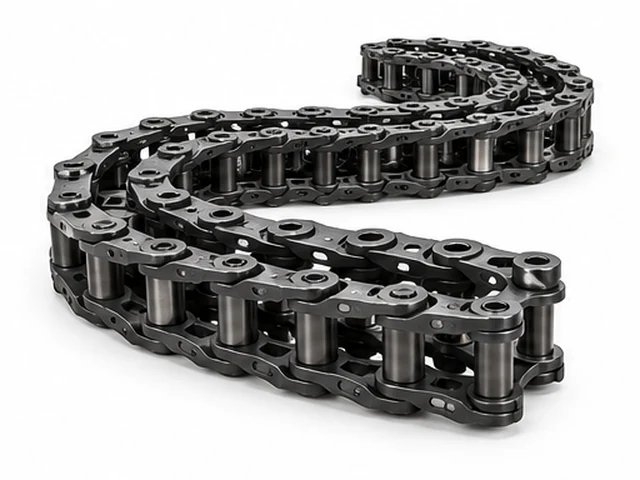
- The chain rails, adjacent rollers, guards, and frame seats are related contact and mounting parts to inspect.
Types Of Bottom Roller Parts Available
Available options depend on the machine and installed assembly. Confirm the exact design and supply scope in the proposal.
Single-Flange Rollers
Single-flange rollers use a particular guide profile and are assigned to specified positions on some undercarriages. Their quantity and location belong to the machine’s roller schedule. Match the complete assembly number and mounting details rather than assuming every lower roller is identical.
Double-Flange Rollers
Double-flange rollers provide a different guiding profile. Machines may use a combination of roller types in a defined sequence. Preserve that arrangement unless the manufacturer’s parts information identifies a change. Include the side and frame position when requesting individual replacements.
Complete Assemblies And Service Pieces
Complete rollers can reduce assembly work compared with a shell or individual internal parts. Serviceability depends on the roller design and the condition of its shaft and seats. Ask whether collars, caps, mounting bolts, and lubricant are included in the supplied assembly.