Prepare The Machine And Work Area
Clean packed material from the track and frame before measuring. Mud, rocks, and frozen debris can change the apparent sag and prevent the chain from settling in the same position on each side. Park on a firm, level surface, lower implements, secure the machine, and follow the manufacturer’s lockout and access instructions. Keep people clear of the track and adjustment valve unless qualified personnel are performing the procedure.
Do not loosen a grease relief valve, remove a recoil component, lift a track, or release stored pressure simply to obtain a measurement. Track adjusters and recoil assemblies can store substantial energy. The machine service procedure controls how pressure is released, how the machine is supported, and what tools are required. A visual check and a parts request are not a substitute for trained service work.
Measure Sag Using The Specified Reference Points
Many dozers use a straightedge, string, or equivalent reference across the upper run of the track. The manual identifies the contact points and the dip or dips to measure. Some machines with a carrier roller have more than one reference dip. Machines without a carrier roller may use the span between the sprocket and front idler. Follow the diagram for the exact model rather than copying a measurement from another tractor.
Record the side, machine position, temperature or operating state if the manual calls for it, and each reading. If the procedure requires moving the machine to settle the chain, do so only as instructed. Measure both sides under the same conditions. A large difference between sides is useful information even when each side appears close to a general target, because it may indicate a different wear or adjustment condition.
Interpret A Track That Is Too Tight Or Too Loose
A tight track can increase pressure on pins, bushings, rails, rollers, idlers, sprockets, and final-drive components. It may also show little visible sag even though the machine is not set correctly. A loose track may slap, walk sideways, contact guards, or increase the chance of derailing. The correct target is the manufacturer’s stated value for the actual arrangement, not a visual preference.
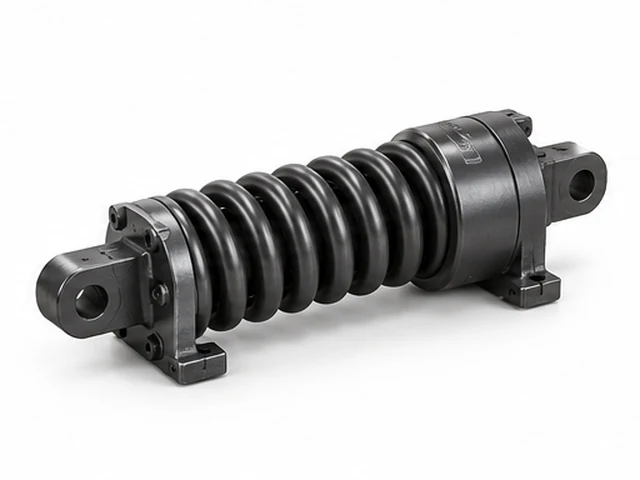
If the result is outside the manual’s range, the adjustment procedure may correct it when the adjuster and recoil system are healthy. Recheck after the machine has been positioned as required. If the setting changes quickly, grease leaks, the adjuster rod is damaged, or the track cannot reach the target, stop treating the symptom as a normal adjustment. Request an inspection and identify the adjuster, idler, guide, or related parts that may need a quote.
Check The Components That Control The Result
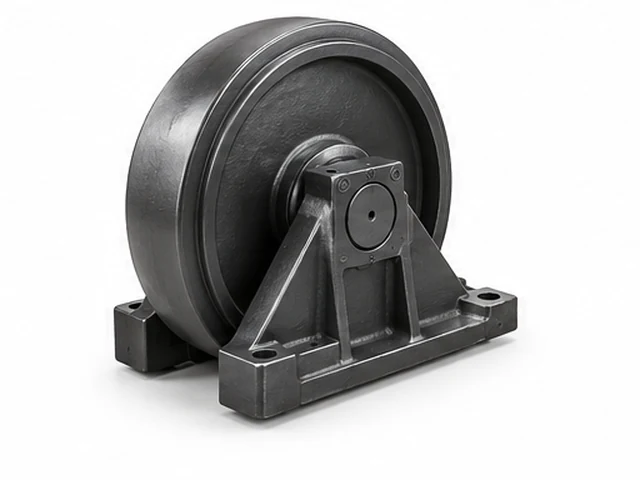
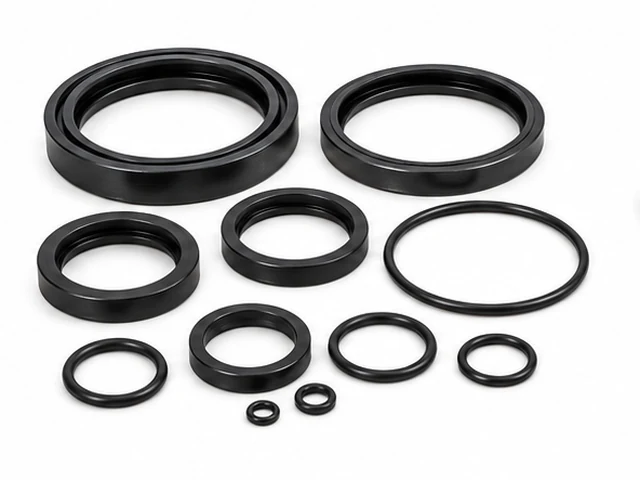
Inspect the idler for leakage, damaged tread, flange wear, and movement in its guides. A worn or misaligned idler can change how the chain sits and may make a correct adjustment difficult to maintain. Check the track adjuster for leakage and describe whether the loss appears at the cylinder, valve, rod, or another connection. Keep seal-kit work, cylinder hard-part work, and recoil work as separate lines until the technician has diagnosed the assembly.
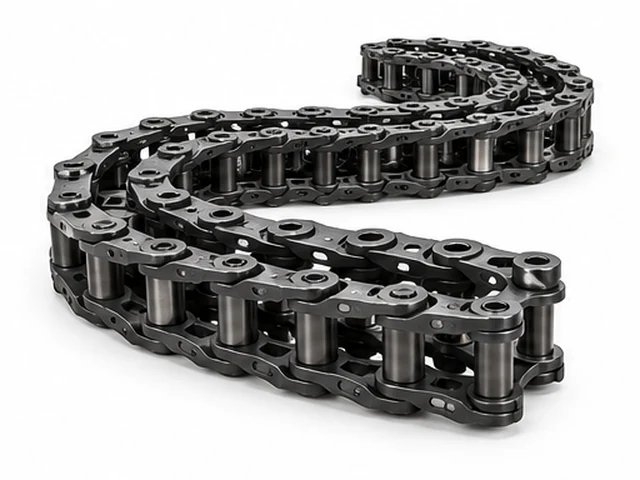
Review the chain, rollers, sprockets, guards, and frame while the track is clean. A worn chain can lengthen through joint wear. A seized roller or damaged guide can create abnormal contact that looks like a tension problem. Record cracked shoes, loose hardware, side wear, and fresh oil or grease. This evidence helps the parts supplier distinguish an adjuster request from a larger undercarriage repair.
Turn The Measurement Into A Useful Parts Quote
Send the complete machine identity, configuration, manual reference, left and right readings, and photographs. Add the observed symptoms: repeated tension loss, derailment, track slap, squealing joints, guide contact, or leakage. State whether the machine is operating, already down, or scheduled for a planned shutdown. Include the delivery ZIP code, address type, unloading equipment, and needed-by date.
Ask for an itemized proposal. A tension-related request may need an adjuster seal kit, cylinder assembly, idler or guide parts, chain, rollers, hardware, or a complete undercarriage package. Have the supplier confirm fitment against the serial number and installed system. Confirm availability and dispatch timing for the approved scope before scheduling teardown. The measurement makes the request clearer; it does not by itself identify an interchangeable part.
Technical Sources And Next Steps
This guide provides general parts-planning information. Wear limits, tightening values, lifting procedures, and service steps must come from the operator, parts, and service information for the exact machine.