Inspect Wheel Wear And Leakage
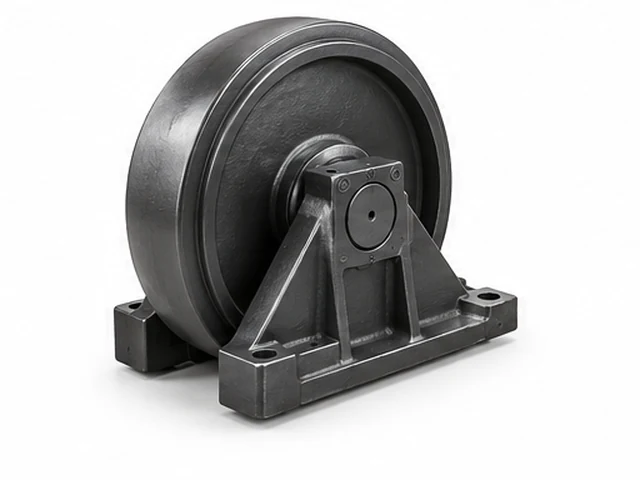
Clean the idler and look for oil leakage, wet seals, ridging, flat spots, cracks, damaged flanges, scoring, and an uneven tread. Check whether the wheel sits squarely in the track path and whether the chain contacts one side of the flange. Record fresh leakage separately from old dirt or staining. A hot, noisy, or stiff wheel needs qualified service attention.
Measure the wear point specified for the component. Do not use a generic outside diameter or a photograph to establish the service limit. Note side play and the condition of the shaft and bushings where the service procedure allows inspection. A wheel with a good-looking tread may still have support or seal damage that changes the replacement scope.
Inspect The Guides, Adjuster, And Chain
Review the guide surfaces, wear plates, yoke or fork, mounting points, and surrounding frame. Look for polished contact, bent metal, missing shims, cracked welds, damaged threads, and packed material. If the idler cannot remain centered, record the evidence rather than ordering a wheel from appearance alone.
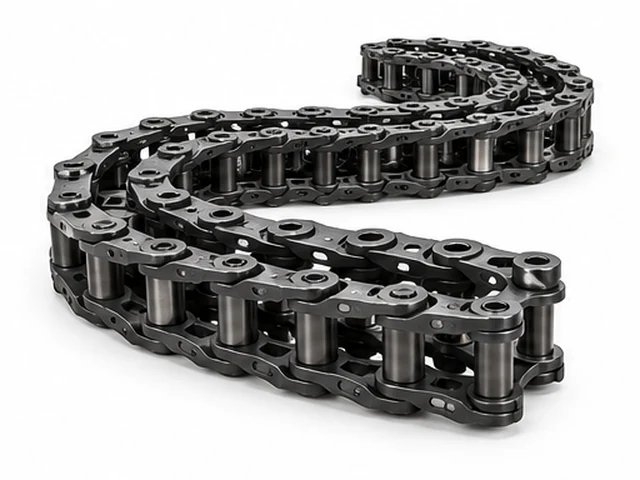
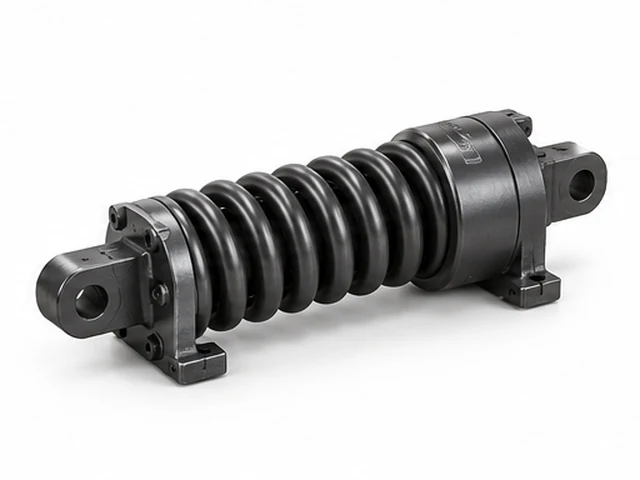
Check the adjuster for leakage and repeated tension loss, then inspect the chain, rails, track shoes, rollers, sprockets, and guards. A tight or loose track can increase idler load. A stretched chain or damaged guide can make a new wheel wear quickly. Request separate lines for idler, guide, adjuster, and chain work so the quote reflects the diagnosed repair.
Choose The Right Replacement Scope
A wheel-only replacement may fit a repair when the shaft, supports, guides, and adjuster are sound. A complete idler assembly may be more appropriate when the wheel, shaft, yoke, seals, or mounting pieces need to arrive together. If the guide system is damaged, include those pieces rather than assuming the assembly will correct the frame. The written quote should name every supplied component.
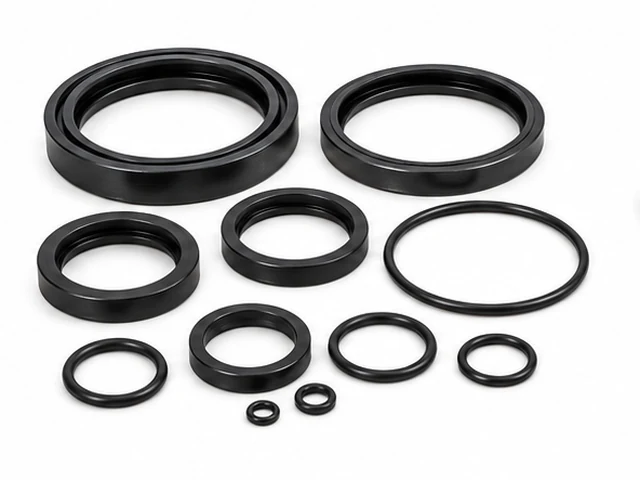
Compare one-side and two-side quantities based on the inspection. Do not replace the opposite side simply because one wheel failed, but do not ignore a matching wear pattern. The repair shop should document the condition of both idlers and the retained chain path. Include freight and handling because complete idler assemblies can require different shipment planning from small seal or hardware kits.
Prepare The Idler Parts Request
Send the machine plate, full model, serial or PIN, side, photographs, measurements, current part numbers, repair findings, quantity, and requested scope. Include the delivery ZIP code, address type, unloading details, and needed-by date. Say whether the dozer is down, whether the track is already separated, and whether a technician has identified guide or adjuster damage.
Ask the supplier to confirm the wheel profile, flange and shaft arrangement, support inclusions, serial applicability, availability, freight, and dispatch timing. Review the quote with the technician before lifting or separating the track. Confirm the approved parts, service procedure, and handling plan before starting the repair.
Do Not Let A New Wheel Hide A Guide Problem
If the old idler shows one-sided flange wear, inspect the guide surfaces and frame alignment before accepting a wheel-only proposal. A new wheel may quickly develop the same pattern if the chain is forced sideways or the adjuster cannot hold the correct setting. Photograph the contact marks and include them in the quote request.
Keep the wheel, support, guide, adjuster, and chain findings together in the repair record. This makes it easier to compare a limited idler repair with a broader undercarriage scope and gives the technician a clear list of retained parts to check after installation and testing is complete.
Plan The Idler Repair Around Downtime
Front idler work can require track separation, lifting, or access to the adjuster, so confirm the repair method with the service team before ordering. Ask whether the quote includes seals, wear plates, guides, and hardware that will be inaccessible once the track is back together. A clear scope helps the shop stage the parts and reduces the risk of a second shutdown for a small retained component.
Technical Sources And Next Steps
This guide provides general parts-planning information. Wear limits, tightening values, lifting procedures, and service steps must come from the operator, parts, and service information for the exact machine.