When A Partial Undercarriage Repair Makes Sense
Partial repair is a strong candidate when the problem is isolated and the mating components remain comfortably within service limits. Examples include a damaged roller from impact, a leaking carrier roller, a broken guard, or a chain issue on a system that was recently renewed. It can also suit a machine with limited future hours when a measured repair can safely cover the planned workload without leaving a known mismatch.
The scope should state which components are new, which are reused, and what evidence supports reuse. Include the related hardware and any corrective work, such as repairing a mount or addressing alignment. Set a follow-up inspection interval for components approaching their limits. Partial repair becomes risky when it is based on appearance alone, when several mating parts are already worn, or when labor to repeat the job soon would erase the initial savings.
When Complete Undercarriage Replacement Is Practical
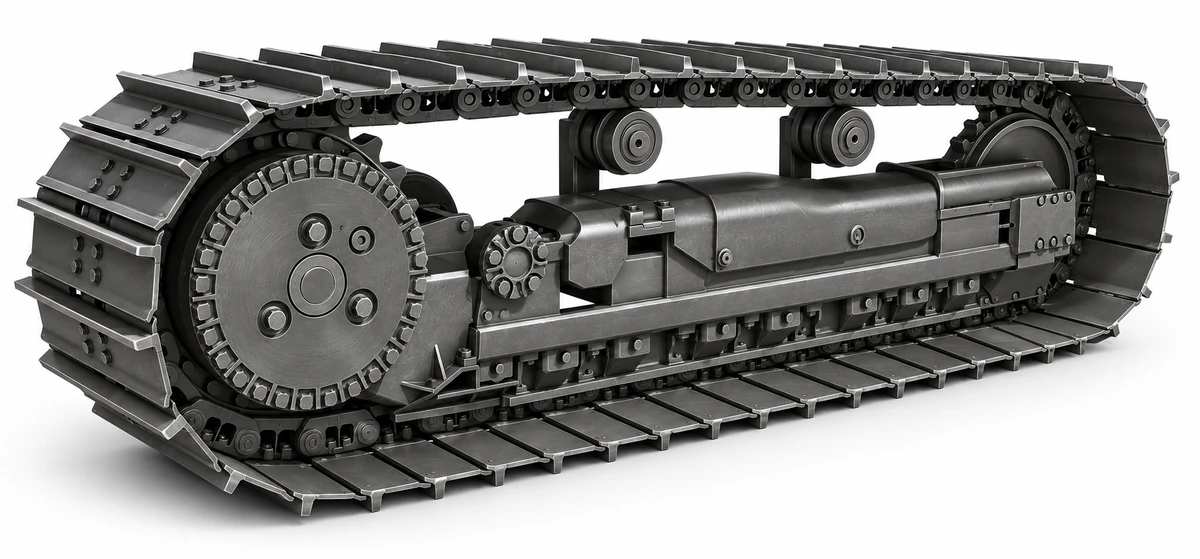
A complete package deserves consideration when chains, sprockets, rollers, and idlers show broad or uneven wear near their respective limits. Coordinated replacement gives mating and supporting surfaces a common starting point. It can also reduce the number of future outages when the dozer is expected to work steadily and downtime disrupts crews, hauling, or production. The value is strongest when the package matches the exact machine and the frame, adjusters, and retained structures are ready to support it.
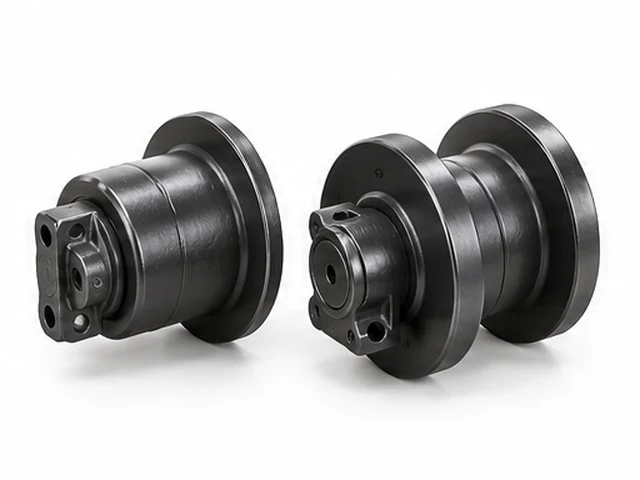
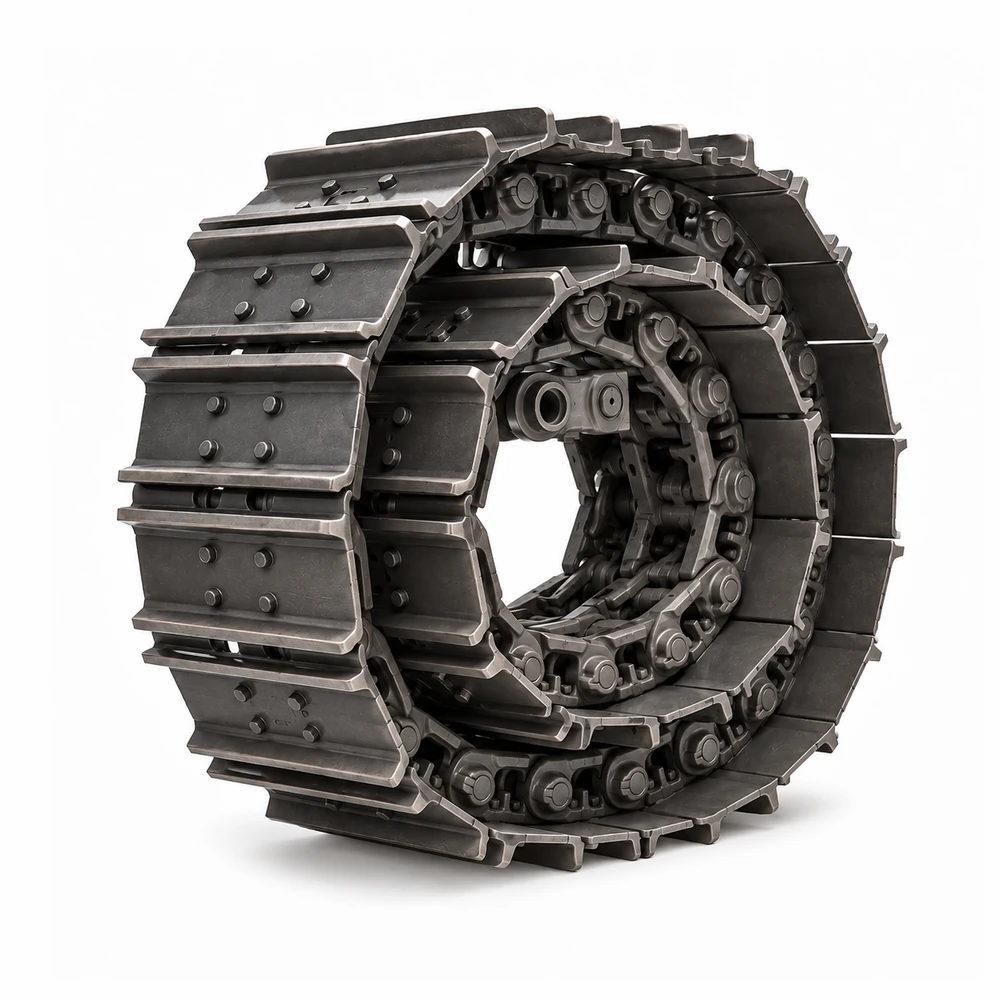
Complete should never be accepted as an undefined box. Ask for chains or assembled track groups, shoe width, rollers by flange type and quantity, carrier rollers, idlers, segment groups or sprockets, master parts, shoe and segment hardware, and any other included components. Identify exclusions such as adjusters, guards, frame repairs, or labor. A detailed bill of material makes fitment checking, quote comparison, receiving, and installation planning much more reliable.
Account For Component Compatibility And Wear Matching
Some undercarriage parts work directly against each other. Sprocket teeth engage chain bushings. Rollers and idlers contact the chain rails. Guides control lateral movement. Replacing one mating surface while leaving another heavily worn can create poor contact and accelerate the new part. A repair scope should explain why each retained component can work with the proposed replacement.
Compatibility also means correct part selection. Provide the full model, serial number, configuration, chain pitch, link count, shoe width, and installed part numbers. Ask the aftermarket supplier to confirm that each quoted component is a direct replacement for the intended arrangement. If a chain design or undercarriage system changes, confirm whether sprockets, shoes, guards, or service procedures change with it. An inexpensive mix of individually plausible parts is not a matched system unless the interfaces have been checked.
Compare Total Installed Cost Instead Of Parts Price
For each option, list parts, hardware, freight, taxes where applicable, unloading, labor, shoe transfer, pressing, cutting, welding, cleanup, disposal, and corrective repairs. Include special tooling and lifting equipment if the shop must rent or schedule it. A partial repair can require more disassembly and rework than the parts list suggests. A complete package can carry higher freight and handling requirements. The comparison should capture the finished machine, not only the pallet value.
Then account for expected downtime. Estimate how long the current repair will take, how soon retained components may require another shutdown, and what a second mobilization would cost. Do not force uncertain remaining life into a false precise number. Use inspection results and operating history to build a practical range. The best financial choice may be the lower immediate cost, or it may be the scope that avoids a predictable outage during the next busy period.
Match The Scope To Planned Machine Use
A production dozer scheduled for high annual hours has a different risk profile from a backup machine used occasionally. Tell the supplier and repair shop how many hours are expected, the ground conditions, typical travel, and how long the business plans to keep the machine. Include whether failure would stop a crew or whether another dozer can cover the work. These facts influence how much value the owner places on coordinated service life and predictable maintenance windows.
Also consider the machine beyond the undercarriage. A complete new wear system may not be the best investment if major powertrain, hydraulic, or structural work is imminent. Conversely, a sound machine with committed contracts may justify a broader undercarriage plan. The inspection and quote should support an equipment decision, not treat the undercarriage as isolated from the dozer's remaining economic life.
Request Repair And Replacement Quotes On Equal Terms
Send one information package containing the machine identity, measurements, photographs, installed numbers, application, delivery location, and needed-by date. Ask for an itemized partial-repair option and an itemized complete-replacement option. Require quantities, part numbers, fitment basis, included hardware, stock status, dispatch estimate, and freight for each. State which components are reused in the partial option and which components remain outside the complete package.
If loose chains appear in one option and assembled track groups in another, add shoe transfer and hardware so the finished results are comparable. If the full package ships from several locations, ask which items may arrive later. Review all assumptions with the repair shop. A quote built from identical facts makes the difference in scope visible and supports a defensible approval decision.
Plan The Repair To Minimize Dozer Downtime
Confirm parts availability before teardown and coordinate delivery with the shop, unloading equipment, stands, presses, lifting devices, and service information. Heavy track components and stored-energy adjuster or recoil systems require qualified personnel and machine-specific procedures. Inspect frame mounts, guides, and retained components after disassembly, when hidden damage is easier to see. Establish a process for approving any scope change before the crew installs parts around an unresolved issue.
At completion, set track tension to the manual, verify tracking and clearance, and plan early follow-up checks for hardware, leaks, heat, or abnormal contact. Continue cleaning and periodic measurement. Whether the choice is a focused repair or a complete replacement, disciplined preparation converts fast parts sourcing into shorter downtime and more predictable service from the new components.
Technical Sources And Next Steps
This guide provides general parts-planning information. Wear limits, tightening values, lifting procedures, and service steps must come from the operator, parts, and service information for the exact machine.