How Joint Design Changes The Wear Conversation
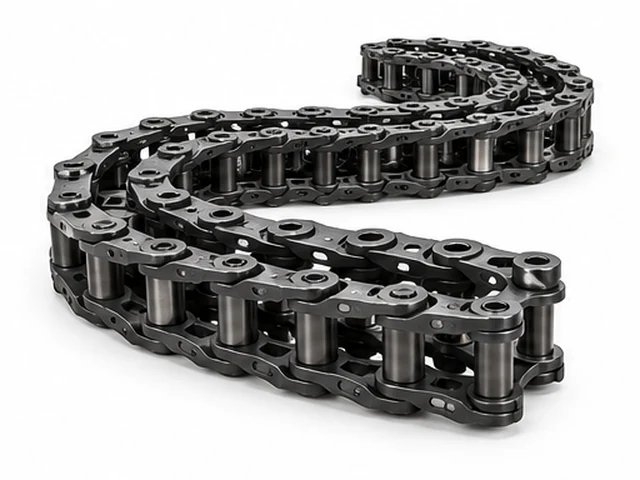
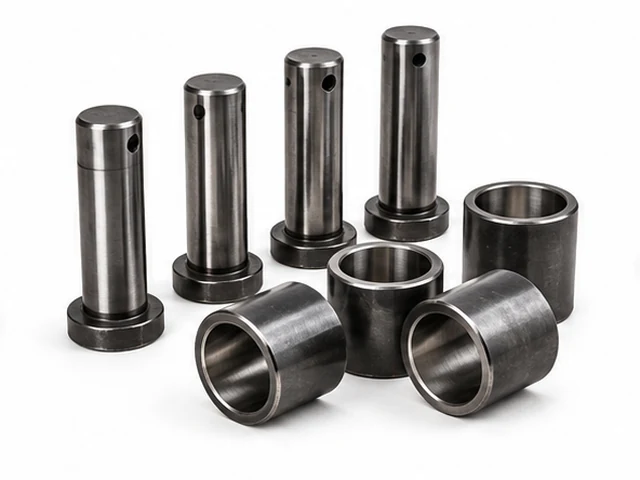
With dry chain, internal pin-and-bushing wear and resulting pitch extension are central inspection concerns. With SALT, seal condition and lubricant retention join the inspection. A failed seal or dry joint can develop wear that differs from neighboring joints, so technicians look for hot, stiff, loose, or leaking areas as well as overall measurements. In both designs, rail wear, link side wear, cracked components, and external bushing condition remain important.
Operating practices influence both systems. Excessive track tension raises loads throughout the joint and rolling system. Packed material changes tension and creates abrasion. High-speed reverse travel can increase bushing and sprocket contact wear. Sharp turns, track spinning, side-hill work, and long travel cycles can produce uneven or accelerated patterns. Chain design matters, but it cannot compensate for a damaged guide, worn sprocket, misalignment, or operating condition that is left unaddressed.
Confirm Compatibility Before Comparing Chain Types
Begin with the manufacturer, full model, serial number or PIN, and undercarriage configuration. Record track pitch, links per side, master connection, shoe width, shoe-bolt pattern, and readable chain numbers. A dry and a SALT option should not be compared as alternatives until both are confirmed for the same machine arrangement. Similar outside dimensions do not prove that the rail, bushing, shoe, and sprocket interfaces are correct.
If the machine has been converted or repaired with a different chain in the past, disclose the installed arrangement and provide photographs. Ask whether the proposed option is a direct replacement or part of a conversion that requires different sprockets, hardware, shoes, or service steps. Written fitment confirmation should state the information used. That protects the repair plan from an assumption that all chains sharing a pitch are interchangeable.
- Full model, serial number, and track configuration
- Track pitch, links per side, and master connection
- Shoe width, bolt pattern, and hardware specification
- Sprocket design and installed chain part number
Match The Chain To The Application And Work Cycle
Describe where the dozer works: abrasive sand, rock, clay, mud, demolition material, or a mixed fleet environment. Add typical travel distance, forward and reverse balance, grading or heavy pushing, slope work, and expected annual hours. These conditions help frame the value of different joint designs. A machine that accumulates high hours in an abrasive production cycle presents a different ownership decision from an older dozer used occasionally on a farm or small site.
Avoid choosing solely from a generic claim about longer life. Ask what the supplier recommends for the exact machine and duty, what evidence supports that recommendation, and whether the chain changes any other component or maintenance requirement. The best replacement is the compatible option whose expected service, acquisition cost, installation plan, and availability fit the machine's remaining work.
Include Shoes, Sprockets, And Hardware In The Comparison
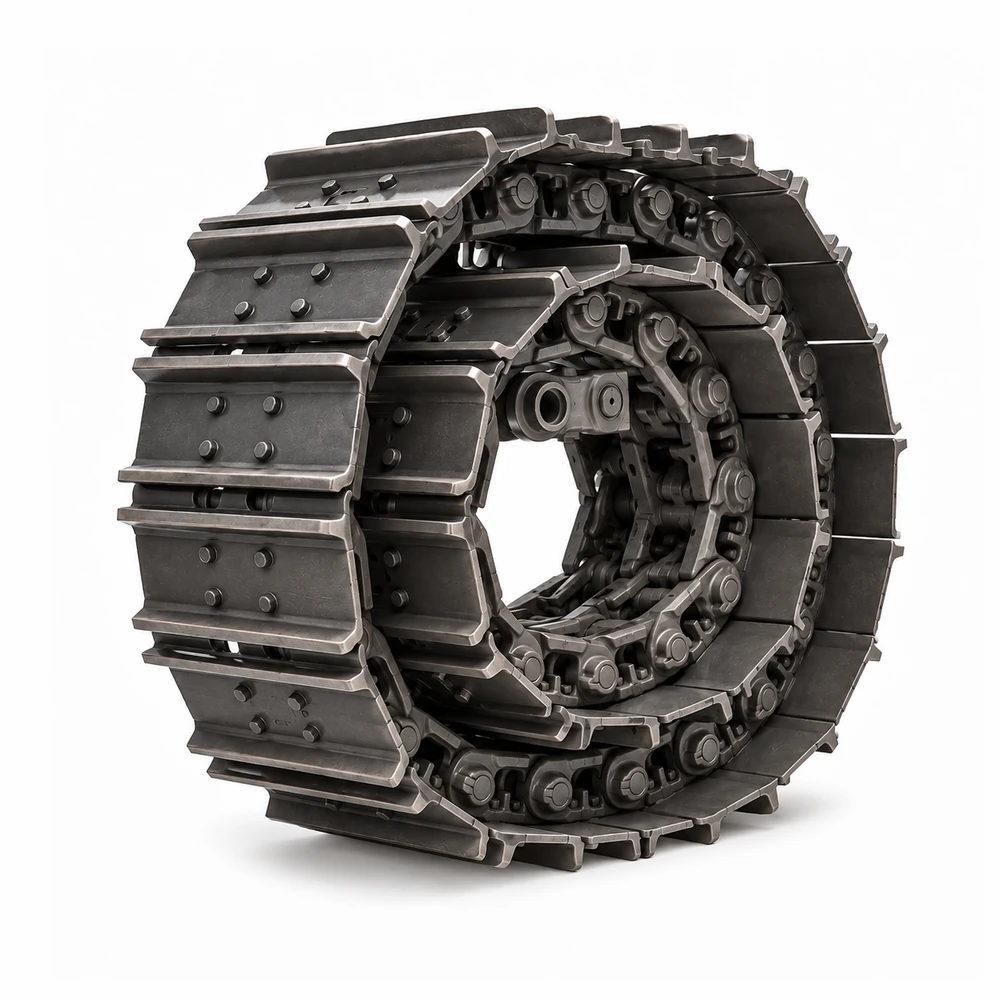
A chain quote can describe a loose assembly without shoes. If existing shoes will be reused, inspect their grousers, plates, holes, and mating surfaces. Confirm the replacement chain accepts the installed shoe pattern and calculate transfer labor plus new hardware where required. Then request an assembled-track-group option with the shoe width and grouser style stated. The more expensive parts option can sometimes reduce shop hours and uncertainty around worn shoe hardware.
Inspect sprocket teeth and chain bushings together. New chains should not be planned in isolation from severely hooked, pointed, or thinned sprockets. Include bolt-on segments or complete sprockets in an alternate scope when the inspection supports replacement. Check rollers, idlers, guides, and adjusters as well. Comparing dry and SALT chains while ignoring the worn mating system produces an incomplete cost picture.
Compare Total Installed Cost And Downtime
Build each option from the same list: chain assemblies, shoes or shoe transfer, master components, shoe hardware, sprockets, freight, labor, tooling, and delivery schedule. Ask whether one design has a different installation or service requirement. Include the condition and expected remaining life of reused components. The meaningful comparison is the complete repair that returns the dozer to work, not the unit price of one chain line.
Availability can affect the decision when downtime is expensive. Confirm whether both options are actually in stock for the required link count and quantity, where they will ship from, and whether all related components can arrive together. An option with a theoretical lifecycle advantage may not serve an urgent repair if it creates a long or uncertain delay. Conversely, a planned shutdown may allow more time to select around expected hours rather than immediate shipment.
Ask These Questions Before Ordering Dry Or SALT Chains
Request a written answer for the exact quoted part, not a general product family. Confirm the chain brand, part number, construction, pitch, link count, connection style, and shoe pattern. Ask whether the chain is a direct replacement for the serial number and current arrangement, whether the existing sprockets are compatible, and which components are included. If a product name is unfamiliar, ask for a plain-language explanation of the joint design.
Send the ship-to ZIP code, address type, unloading capability, and needed-by date with the request. Review stock status, dispatch estimate, freight service, packed weight, and package count. Coordinate the selected chain with the repair shop before ordering, especially if shoes will be transferred or a master-pin procedure requires specific press capacity. A clear technical comparison followed by a complete logistics plan gives the machine the best path back to work.
- Is this exact chain dry, sealed dry, greased, or sealed and lubricated?
- Is it a direct replacement for the supplied serial number and installed arrangement?
- Are the master connection, shoes, sprockets, and required hardware compatible?
- What is in stock, what ships together, and what is the expected dispatch date?
Technical Sources And Next Steps
This guide provides general parts-planning information. Wear limits, tightening values, lifting procedures, and service steps must come from the operator, parts, and service information for the exact machine.