Parts Scope Is The Largest Quote Variable
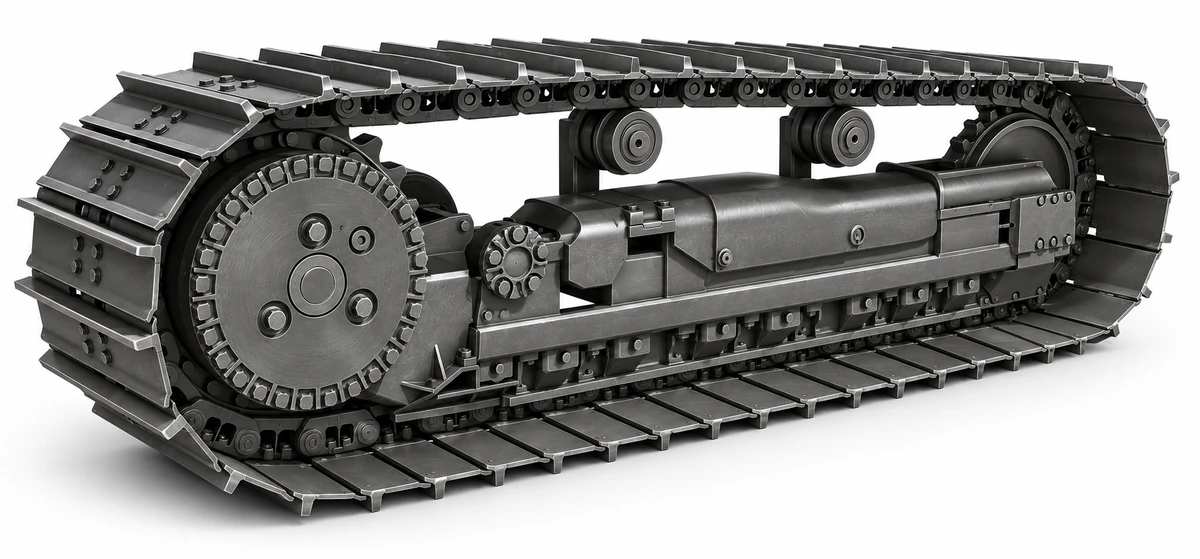
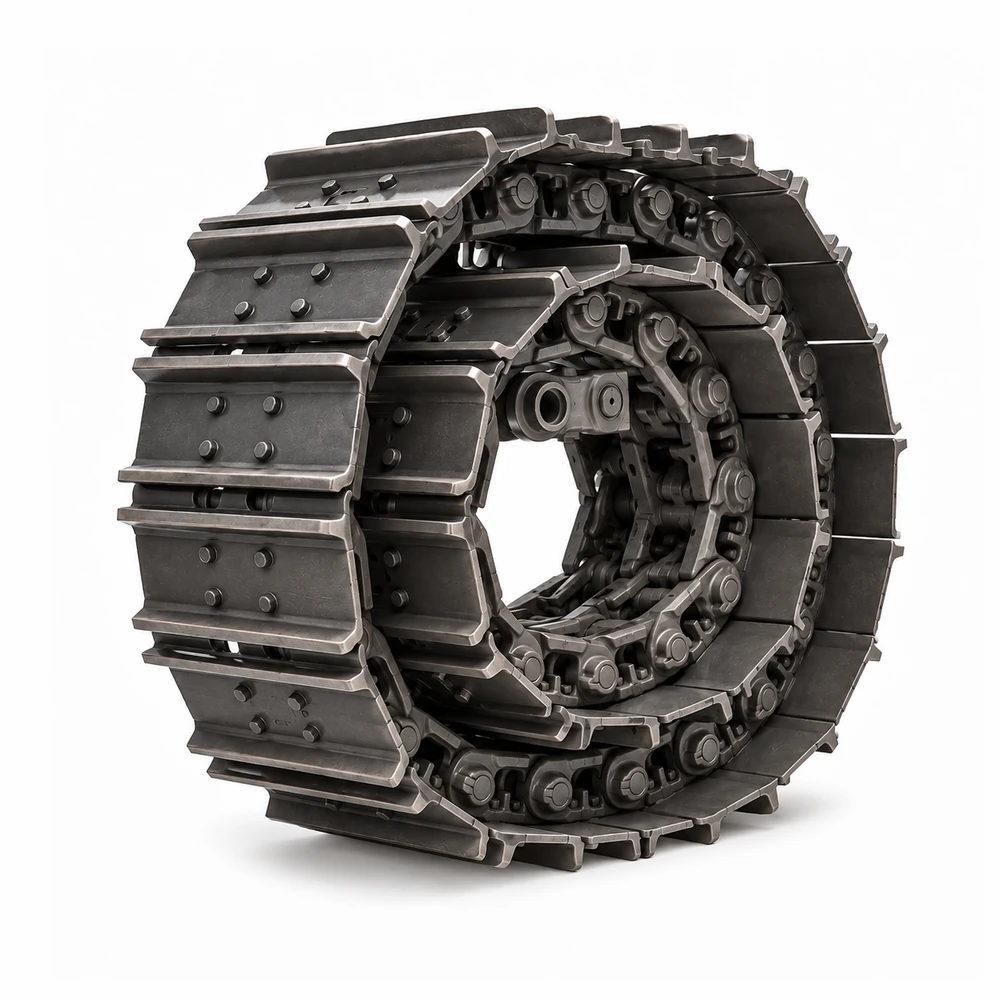
A chain-only repair may include two chain assemblies, master connections, and shoe hardware if existing shoes are transferred. Assembled track groups add new shoes and eliminate much of the shoe-transfer work. A broader package can add bottom rollers, carrier rollers, front idlers, sprocket segments or complete sprockets, and mounting hardware. Adjusters, guards, pins, bushings, frame repairs, and specialized fasteners may remain separate.
Ask every supplier for a line-item list with quantities. If a package is described as complete, verify what complete means. Note whether prices cover one side or both. Confirm if shoe bolts, segment bolts, master hardware, and roller fasteners are included. A quote with a higher total may cover a materially larger scope. Itemization is the only reliable way to separate product-price differences from missing components.
Aftermarket Direct-Replacement Choices Affect Cost
Aftermarket undercarriage parts are offered across different manufacturers, product lines, and chain designs. DozerUndercarriage.com focuses on compatible aftermarket replacements, using machine information and reference numbers to identify fit. Ask for the quoted brand or product line, part number, joint design, and fitment basis. An OEM reference is a cross-reference for the intended application; it does not mean the supplied part is made by the original equipment manufacturer.
Compare options that fit the same configuration and include the same quantities. Dry and sealed-and-lubricated chains may differ in construction and price, but compatibility and application come first. Shoe material, grouser profile, roller construction, and other product specifications may also differ. The lowest unit price is meaningful only after the supplier has confirmed direct-replacement fit and the product matches the planned workload.
Hardware And Small Components Add Up
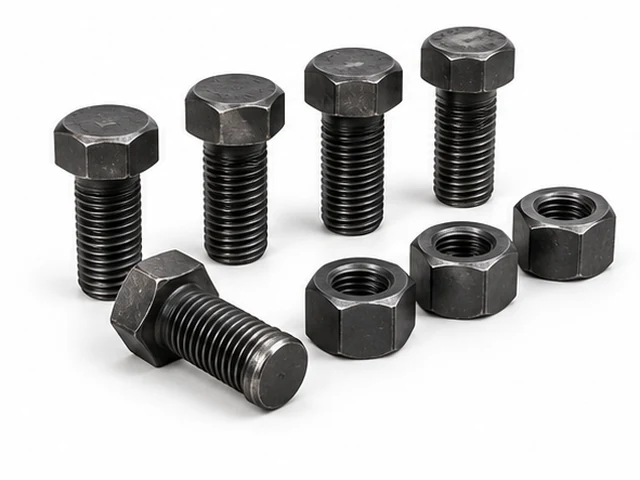
A large undercarriage job can require hundreds of fasteners. Shoe bolts and nuts, segment hardware, roller bolts, master-link fasteners, seals, retainers, and guard hardware may be included, optional, or separate depending on the quote. Reusing worn, damaged, stretched, or incorrect fasteners can compromise the repair. The machine service information and shop plan should determine which hardware requires replacement.
Create a hardware line for every main component and confirm quantities before ordering. Include consumables and shop supplies in the labor estimate rather than treating them as invisible. The individual items may look minor next to chains and rollers, but a missing connection bolt or seal can stop assembly. Budgeting the small parts upfront supports both cost accuracy and faster completion.
Labor Depends On The Assembly Strategy
Loose chains may require removing and reinstalling every track shoe. Old bolts can be seized, holes damaged, and mating surfaces packed with rust or debris. Pin-and-bushing work can require specialized presses, fixtures, and qualified technicians. Assembled track groups cost more as parts because they include shoes and hardware, but they can reduce shoe-transfer labor and simplify the installation sequence. Compare both as completed repairs.
Roller, idler, sprocket, guard, and adjuster work adds removal, cleaning, inspection, and tightening time. Hidden damage to mounts or frames may only appear after disassembly. Ask the repair shop for an estimate based on the itemized parts scope and current machine condition. Include a contingency process for discovered work without turning the budget into an unsupported percentage guess.
Freight And Delivery Conditions Change The Landed Cost
Undercarriage components are dense and heavy. Shipment cost depends on total weight, pallet dimensions, origin, distance, service level, destination type, and unloading needs. A commercial address with a dock or forklift may receive a different freight service from a residence, remote jobsite, or limited-access location. Split shipments from multiple warehouses can also change cost and timing.
Provide the ZIP code, full address type, contact, business hours, unloading equipment, and needed-by date when requesting the quote. Ask for the shipping charge, package count, packed dimensions, weight, carrier service, appointment process, and expected dispatch. Decide whether the cost is prepaid, added to the invoice, or collected under another arrangement. A parts price without a delivery plan is not a complete landed cost.
Downtime Belongs In The Replacement Budget
The dozer's lost production, replacement rental, idle crew, or disrupted schedule can exceed the difference between two parts options. Record when the machine must be back in service and which components are critical to start assembly. Ask whether every line is in stock and whether the order can ship together. An estimated lead time should not be treated as a committed dispatch date until the supplier confirms the order.
Coordinate parts arrival with the shop, tooling, lifting equipment, and service information. Avoid early teardown when fitment or shipping remains uncertain. If the machine can operate safely until a planned shutdown, consolidating a larger scope may reduce repeated mobilization. If it is already down, a compatible in-stock option may create more value than a lower-priced part with an uncertain delay. Make that tradeoff visible in the approval decision.
How To Compare Replacement Quotes Fairly
Send each supplier the same machine identity, inspection findings, quantities, parts list, photographs, delivery details, and timing. Build a comparison with part numbers, brand or product line, chain design, shoes, rollers, idlers, sprockets, hardware, freight, stock status, and expected dispatch. Add the shop estimate for labor, shoe transfer, press work, and corrective repairs. Separate confirmed facts from assumptions.
Review compatibility and exclusions before focusing on the total. Ask how the quoted parts cross-reference to the machine and installed arrangement. Confirm one-side versus pair quantities, new hardware, package contents, and delivery service. If two totals differ greatly, compare the bill of material first. A transparent high quote can be less costly than an incomplete low quote once missing parts and a second shipment are added.
Build A Fast And Accurate Cost Request
Prepare the full model, serial number, configuration, chain pitch, links per side, shoe width, roller quantities, sprocket type, measured wear, photographs, and part numbers. State whether shoes will be reused and whether you want chain-only, assembled-track-group, partial-repair, or complete-package options. Include delivery ZIP code, unloading conditions, and needed-by date. This information lets an aftermarket parts dealer price the actual repair instead of a generic model estimate.
Ask for written fitment confirmation, line-item pricing, stock status, dispatch timing, package details, and freight. Review the result with the technician who inspected the machine. Once the scope is approved, align ordering, delivery, teardown, and receiving. That process will not produce one universal cost figure, but it will produce something more useful: a defensible budget for the exact dozer and a plan designed to limit downtime.
Technical Sources And Next Steps
This guide provides general parts-planning information. Wear limits, tightening values, lifting procedures, and service steps must come from the operator, parts, and service information for the exact machine.