Weekly Or Routine Cleaning And Tension Review
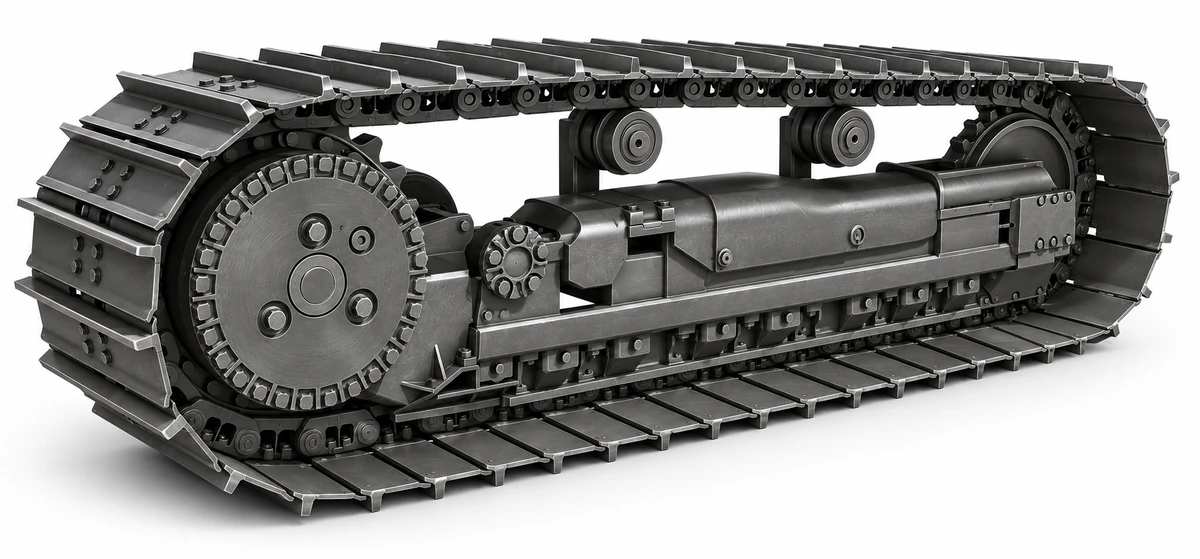
A more deliberate routine should clean the track frame, inspect areas hidden by guards, and check whether packed material is changing the track’s movement. Repeated mud or rock packing can affect tension, roller rotation, and the chain path. If the machine works in abrasive soil, note where the material accumulates and whether cleaning is keeping the contact surfaces clear.
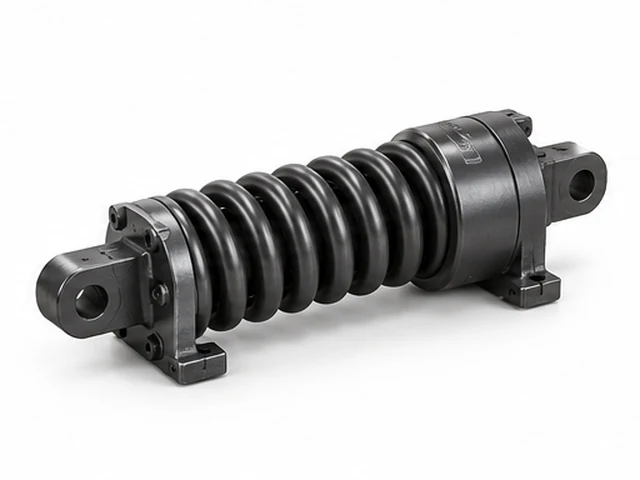
Check track tension using the manual’s method and record the reading or result for each side. Do not use a generic sag number. If the track is outside the specified range, follow the machine procedure for adjustment. If it will not hold the setting, treat that as a repair finding and inspect the adjuster, recoil, idler, guides, chain, and frame rather than repeatedly adding grease.
Planned Inspections: Measure Wear Before It Is Urgent
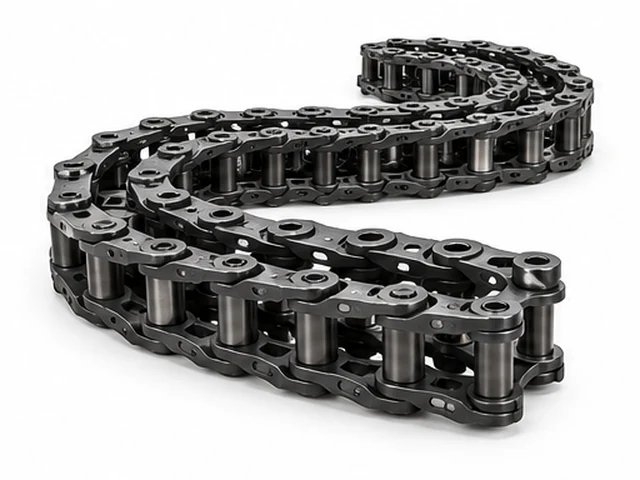
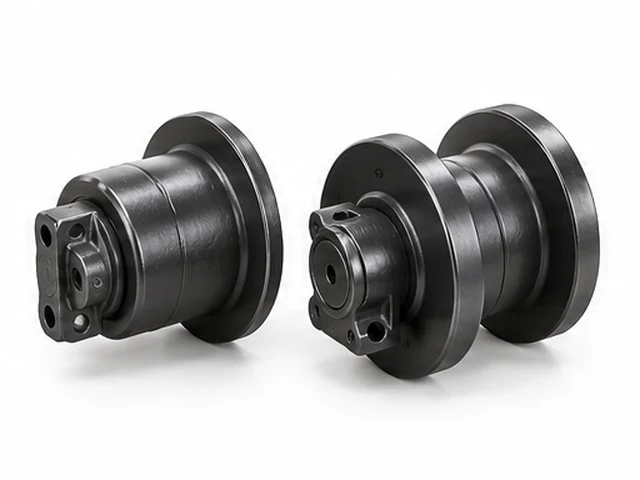
At the intervals set by the manufacturer, perform a complete wear inspection with the appropriate tools. Measure chain pitch or extension, bushing and rail condition, roller and idler dimensions, sprocket profile, shoe wear, and other specified points. Compare each reading with the exact model’s new dimensions and service limits. Keep left and right readings separate so uneven wear is visible.
A planned inspection should also review the reason behind the wear. Record side-hill work, repeated turns, high-speed travel, abrasive material, poor tension history, packed debris, and alignment or guide concerns. These notes help the owner decide whether the repair should replace one component, a mating pair, or a larger package. They also help the parts supplier understand which components will be retained.
Use Service Hours To Plan Parts And Labor
Use the model-specific maintenance schedule to create reminders for inspections, lubrication, fluid checks, and planned wear measurements. Caterpillar publishes examples for 250-, 1,000-, and 2,000-hour planned maintenance, but the exact work depends on the machine. Other manufacturers provide their own operator and maintenance information. Do not copy one manufacturer’s interval to another dozer.
When a measurement shows that parts are approaching a limit, start the quote before the machine is down. Request the needed chains, shoes, rollers, idlers, sprockets, adjuster parts, or hardware with the full identity and delivery requirements. If parts availability or freight needs confirmation, leave time for fitment review and receiving. Planned ordering does not guarantee a delivery date; it gives the supplier time to verify the actual scope.
Keep A Record That Supports Better Quotes
A useful record includes the date, hour reading, machine identity, side, component position, inspection method, measurement, photograph, and action. Note whether the component was adjusted, cleaned, lubricated, repaired, or left in service. Keep invoices and part numbers with the machine record. If a conversion or replacement changed the installed chain or shoe system, record that change permanently.
When requesting pricing, send the latest inspection record rather than a summary such as “undercarriage worn.” List quantities by side and state which parts will be retained. Include the machine-down status, ship-to ZIP code, address type, unloading equipment, and needed-by date. A supplier can then quote a defined repair and identify missing fitment information instead of starting with a broad model search.
Know When To Stop And Request Service
Stop normal operation and request qualified service when a track is derailing, a link or shoe is cracked, a master connection is damaged, a roller or idler is seized, a major leak is visible, critical hardware is missing, or the track contacts the frame abnormally. Repeated tension loss also deserves diagnosis. These conditions can change the parts scope and create safety risks if the machine continues to work.
Do not disassemble a recoil spring or pressurized adjuster as a routine check. Use the service manual and qualified technicians for lifting, pressure release, track separation, shoe removal, pressing, torquing, and final adjustment. The maintenance schedule helps decide when to inspect and order; it does not replace the machine-specific procedure.
Technical Sources And Next Steps
This guide provides general parts-planning information. Wear limits, tightening values, lifting procedures, and service steps must come from the operator, parts, and service information for the exact machine.