Measure Wear Instead Of Judging The Joint By Sight
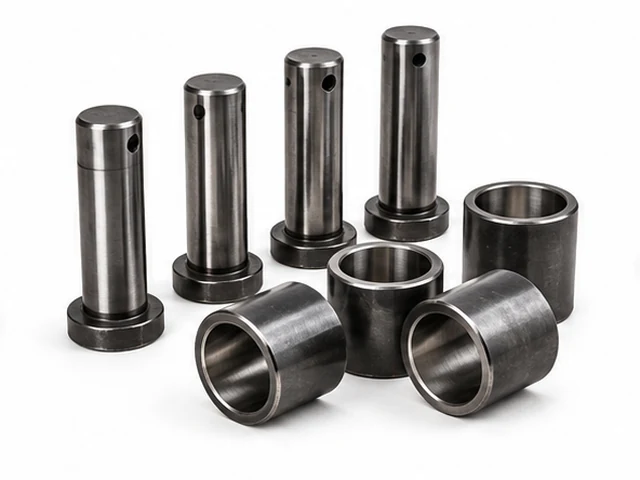
A visual inspection can find loose joints, dry or hot areas, damaged seals, scalloped or pitted bushings, and unusual movement. It cannot establish the remaining service life by itself. Measure bushing diameter at the specified wear location and measure track pitch using the method for the exact chain. Use the manufacturer’s new dimensions and service limits, not a generic number copied from another machine.
Track pitch extension can indicate internal pin-and-bushing wear even when the outside looks acceptable. Rail height, link condition, bushing profile, seal condition, and shoe mounting also matter. Take readings on both sides and at representative positions. If the track is “snaky,” side wear is severe, links are cracked, or the master connection is damaged, the decision may extend beyond a pin-and-bushing service.
When A Turn Or Joint Repair May Be Considered
On a chain design that supports the procedure, a pin-and-bushing turn can expose a different bushing wear surface. Caterpillar describes turning the bushing 180 degrees on certain conventional SALT chains after pressing the track apart. That description is not a universal instruction. The chain’s construction, wear level, seals, link condition, shop equipment, and manufacturer procedure determine whether the work is suitable.
A joint repair may be reasonable when the links and rails remain serviceable, the chain construction supports the work, and a qualified undercarriage shop can perform the required pressing and sealing. Request the shop’s scope in writing: which joints, pins, bushings, seals, press work, and shoe-transfer operations are included. Do not assume that a turn creates the same result as a new chain or that it applies to every chain system.
When Chain Replacement Is The Better Comparison
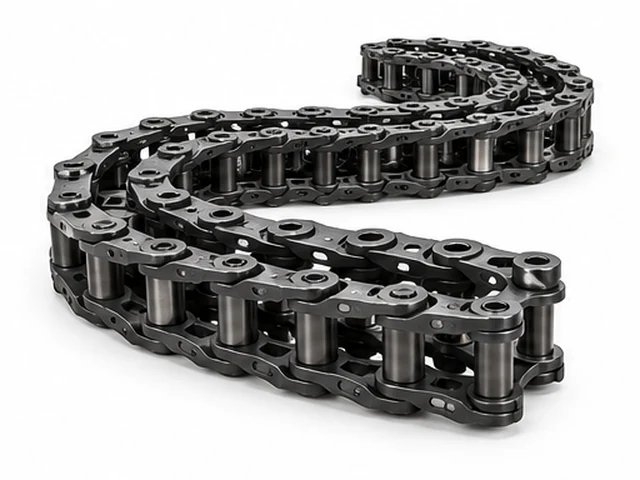
Compare a replacement chain when pitch and bushing wear are advanced, links or rails are damaged, seals cannot be restored, the chain has a mixed or uncertain history, or the shop cannot support the required rebuild process. A replacement chain can also be easier to schedule when the repair window is short. The new chain still needs to match the shoe, sprocket, roller, idler, and machine arrangement.
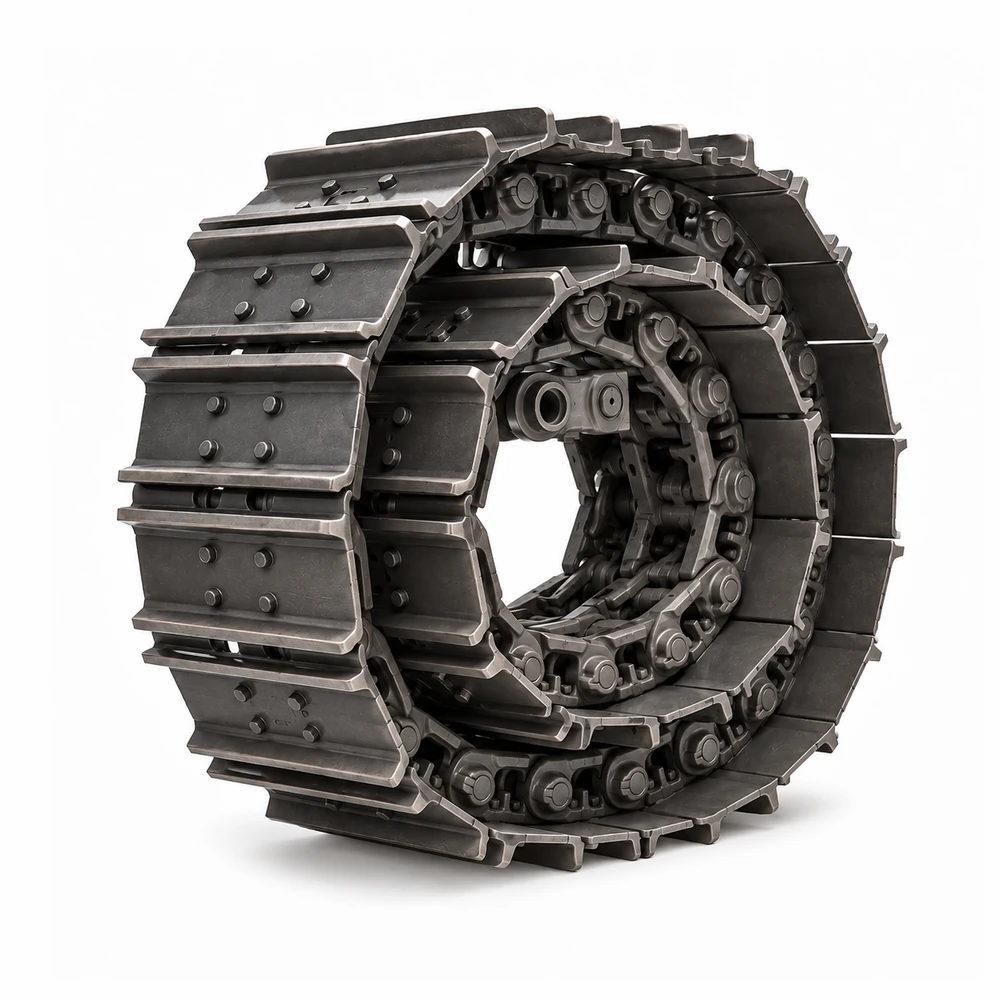
Request both loose chain and assembled track-group pricing when shoe condition is uncertain. If the shoes are sound, include transfer labor and new hardware. If the shoes are worn or the shop needs a shorter installation sequence, assembled groups may define the scope more clearly. State one side or both sides, connection hardware, quantities, and shipping conditions in the quote.
Inspect The Sprockets, Rails, And Rollers With The Chain
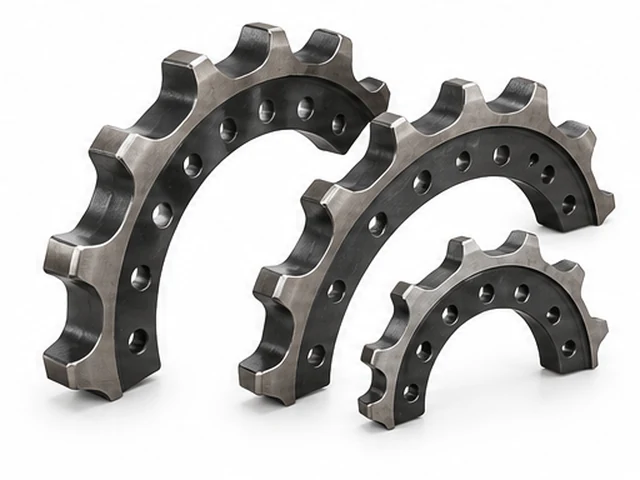
The chain and sprocket work together. Look for hooked, pointed, thinned, or uneven sprocket teeth and compare their condition with measured chain wear. A new chain on a badly worn sprocket can create poor engagement and rapid wear. A new sprocket cannot correct a chain that has excessive pitch or damaged links. Include segments or complete sprockets according to the machine’s drive arrangement.
Check rail height, rollers, idlers, guides, track tension, and shoes before approving the repair. If a new chain runs on seized rollers or a damaged guide, the replacement can be compromised. Record retained components and request the shop to identify any corrective work separately. This gives the owner a clear comparison between joint repair, chain replacement, and a broader undercarriage package.
Prepare A Repair-Or-Replacement Quote
Send the machine identity, chain construction, measurements, photos, prior repair history, and technician findings. Ask for two itemized scopes when practical: pin-and-bushing service and a replacement chain or assembled track group. Include press work, seals, shoes, bolts, master connection, sprocket condition, freight, and labor assumptions. The supplier should be able to state which components are new, rebuilt, transferred, or retained.
Before ordering, confirm fitment against the serial number and installed chain. Review availability, dispatch timing, package weight, unloading requirements, and the needed-by date. Do not schedule a chain separation or teardown until the shop, parts, handling equipment, and service procedure are ready. The right decision is the one that fits the actual chain, measured wear, planned machine use, and completed repair scope.
Technical Sources And Next Steps
This guide provides general parts-planning information. Wear limits, tightening values, lifting procedures, and service steps must come from the operator, parts, and service information for the exact machine.