Inspect Rotation, Leakage, And Tread Wear
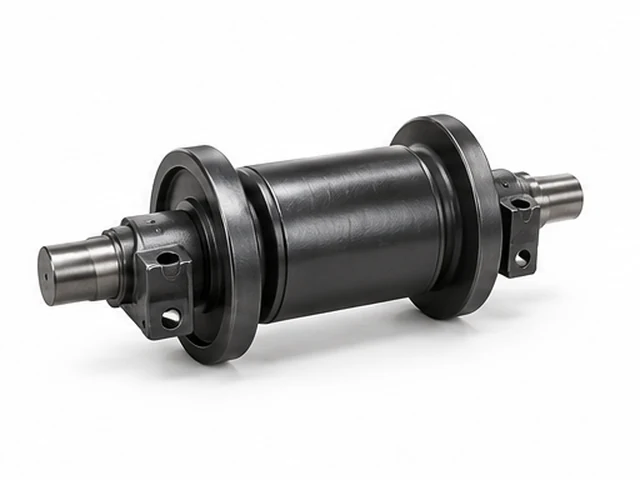
Clean packed dirt from the upper track area according to the machine instructions. Look for oil leakage, scoring, flat spots, reduced diameter, damaged guide areas, and a roller that runs stiffly or does not turn. Check for unusual shiny contact marks on the chain and frame. Do not place hands near a track that can move, and use qualified personnel for any rotation or lifting check.
Measure the tread or flange wear using the method and dimensions for the exact roller. Record the location of the measurement and compare it with the component reference. A generic diameter cannot confirm serviceability. If the roller is hidden by a guard or debris, note the limitation and use the machine identity and photographs to determine what further inspection is required.
Look For The Cause Of Carrier-Roller Wear
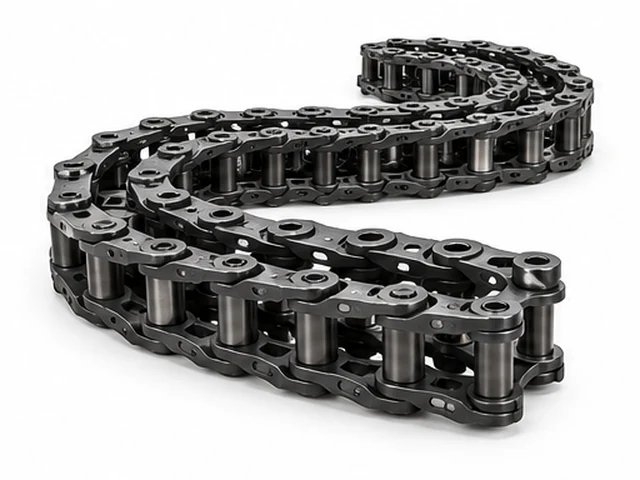
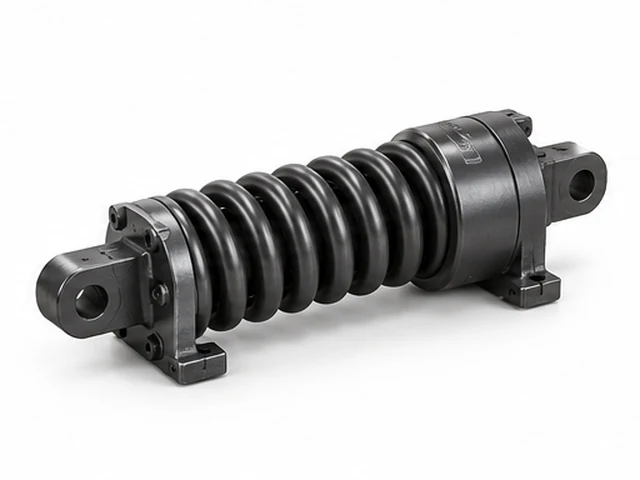
A carrier roller can wear from normal contact, but unusual wear may reflect lateral load, frequent turning under load, incorrect track tension, debris accumulation, or frame misalignment. Inspect the chain, shoes, sprocket, idler, bottom rollers, guides, and tension at the same time. A new roller may fail early if the upper run is forced sideways or the chain is too tight.
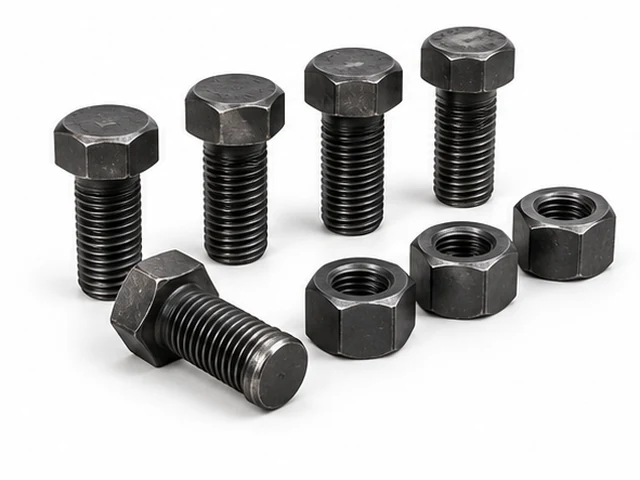
Check the bracket, shaft, mounting bolts, threads, and frame for damage. Record missing hardware, bent supports, weld repairs, and rubbing. If a guard or bracket is part of the problem, list it separately. The parts request should describe the carrier roller and the condition that may have caused its failure.
Decide Whether To Replace One Or More Rollers
Replace an individual roller when the inspection supports an isolated failure and the remaining upper rollers, mounts, chain, and guides have usable condition. A complete or position-specific set may make sense when several rollers are leaking, seized, worn, or sitting at different heights. The quote should state the position and quantity rather than using a general “carrier roller set” label.
Ask whether the shaft, bracket, seals, and mounting hardware are included. If the chain or shoe system is also due for work, compare the carrier-roller repair with the broader undercarriage scope. Include one-side or both-side quantities, freight, and handling needs. The goal is to restore even upper support without leaving a known alignment or tension problem unresolved.
Send The Carrier-Roller Quote Request
Provide the machine plate, complete model, serial or PIN, configuration, roller position, measurements, photos, current part number, quantity, and operating symptoms. Add the destination ZIP code, address type, unloading equipment, and needed-by date. State whether the dozer is down and whether the shop needs the assembly urgently.
Request fitment confirmation for the exact shaft, bracket, tread, flange, and mounting arrangement. Confirm availability, packed dimensions, freight, dispatch timing, and included hardware. Review the quote with the technician before removing the roller or scheduling the repair. Use the service information for lifting, track movement, fastening, and final tension checks.
Verify The Upper Track After Replacement
After installation, have the shop check that the carrier roller sits squarely, turns as intended, and supports the chain without abnormal side contact. Recheck the upper run, guides, track tension, and nearby components after the machine is positioned according to its service procedure.
Keep the removed roller’s position, failure description, and replacement reference with the machine history and receiving records. Note the installed hours and the track-tension reading after the repair. If another carrier roller shows the same leakage, flat spot, or lateral wear, the record can help identify a system issue instead of treating every failure as an isolated replacement part.
Confirm The Mounting Scope Before Shipment
Before the order is released, compare the quoted roller drawing or dimensions with the installed bracket and shaft arrangement. Confirm which pieces ship with the roller and which pieces remain on the machine. This is especially important when a repair involves a bent bracket, worn shaft, or missing hardware, because a correct roller cannot compensate for a damaged support. Record the agreed scope on the purchase request and receiving checklist.
Technical Sources And Next Steps
This guide provides general parts-planning information. Wear limits, tightening values, lifting procedures, and service steps must come from the operator, parts, and service information for the exact machine.