Use Ground Conditions To Define Flotation Needs
Soft mud, peat, loose fill, and sensitive finished surfaces may require a larger footprint to keep the machine from sinking or rutting. In those applications, the correct wide-shoe or LGP arrangement can improve mobility and reduce the effort lost to pushing the tracks through the ground. Describe the worst conditions the machine must work in, not only the clean yard where it is parked for inspection. Seasonal changes can matter if a dozer moves between dry summer work and wet spring sites.
Rock, compacted fill, frozen ground, and other firm uneven surfaces create different priorities. Excess shoe width can increase bending stress and side leverage when only part of the plate contacts the ground. Abrasive material also wears grousers and plate edges. Mixed-condition machines need a compromise that preserves adequate flotation without creating unnecessary loading during the majority of their hours. Ask the supplier to confirm available widths for the exact configuration, then discuss the working surface with the repair technician or equipment specialist.
Consider Traction, Turning, And Side-Hill Work
Traction depends on more than width. Grouser height and profile, machine weight, soil behavior, blade load, and operator technique all affect how the track engages the ground. A wide shoe that floats well can have different penetration characteristics from a narrower shoe in the same material. Worn grousers may spin or slip even when the plate width appears suitable. Inspect grouser height and damage separately from chain wear before deciding that a width change is the solution.
Turning sharply, counter-rotating, and working across slopes load shoe edges and guiding components. The farther the shoe extends beyond the rail, the greater the potential leverage when an outside edge catches firm ground or rock. If the machine spends significant time on slopes or confined sites, tell the supplier and technician. The appropriate solution may involve shoe width, grouser selection, operating practice, and inspection of guards or alignment rather than simply fitting the broadest plate available.
Match Track Shoes To The Chain And Hardware
A compatible shoe must match the chain's mounting surface, hole pattern, fastener size, and seat design. Two plates with the same nominal width may not share the same bolt spacing, offset, or grouser construction. If the chain is also being replaced, confirm the proposed shoes against the replacement links rather than assuming the old pattern carries over. A direct-replacement request should identify both the machine and the installed chain whenever possible.
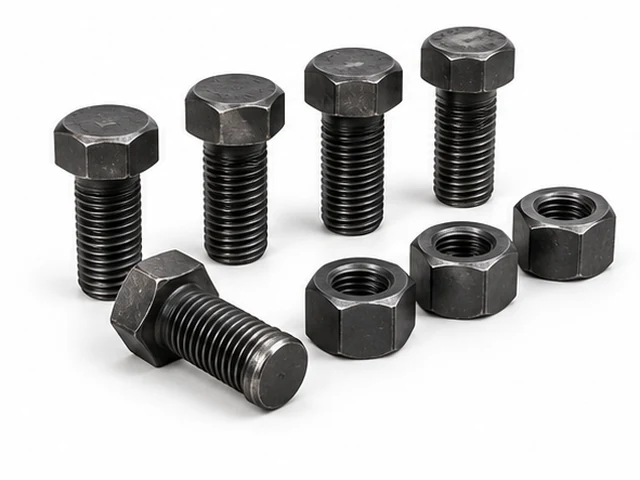
Inspect link mounting faces and shoe holes for wear or deformation. Loose hardware can damage both surfaces and make a simple shoe replacement more complicated. Ask whether new shoe bolts and nuts are included and whether the repair procedure requires replacement rather than reuse. Correct tightening sequence and torque come from the service information for the specific components. General-purpose fasteners are not a substitute for the specified undercarriage hardware.
Choose The Right Grouser And Shoe Construction
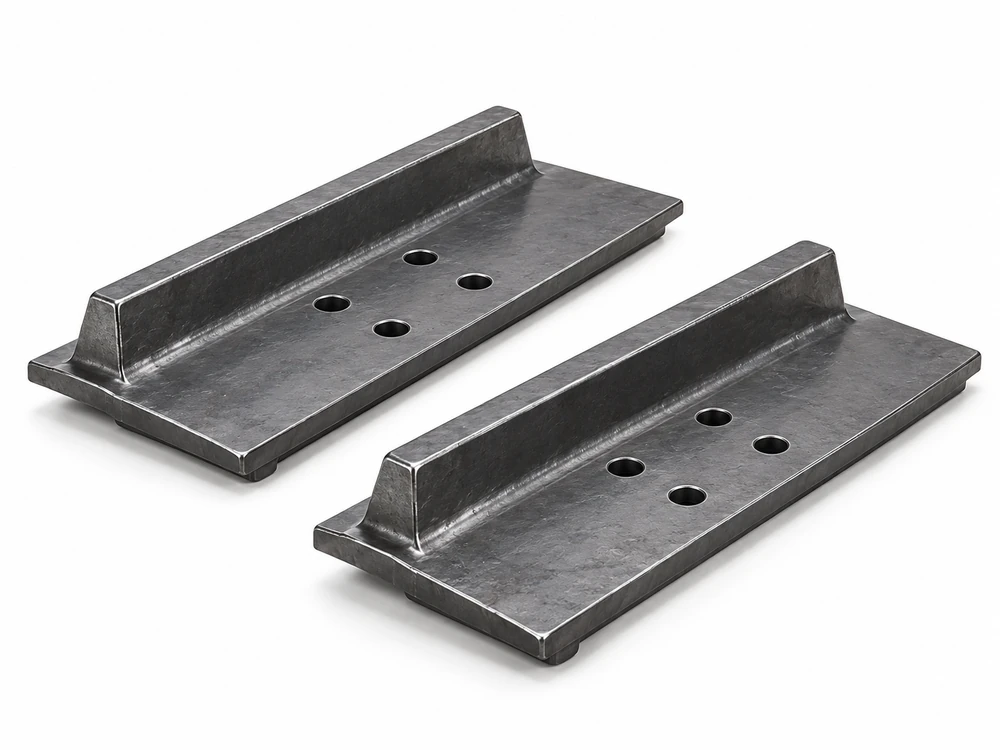
Single-grouser shoes are common on dozers because the tall transverse grouser develops pushing traction. Other grouser arrangements may appear on loaders, special applications, or machines configured for different travel behavior. Plate thickness, grouser profile, material, and manufacturing details vary across product lines. The correct selection begins with the dozer application and the chain interface, not only the number of bars visible on the shoe.
Ask the supplier to state the shoe width, grouser type, hole pattern, material or product specification available, and quoted part number. If replacing only damaged shoes, compare the new profile with the remaining set. A small number of full-height grousers among heavily worn shoes can change contact and loading. When wear is widespread, pricing a complete shoe set or assembled track groups may produce a more consistent result and a clearer installation plan.
Decide Between Loose Shoes And Assembled Track Groups
Loose shoes can be appropriate when the track chain remains serviceable and the repair is limited to damaged or worn plates. Define the quantity, width, grouser, pattern, and hardware. For a full set, count every shoe and allow the shop to assess removal time, seized fasteners, damaged link threads, and cleanup of mating surfaces. The parts price is only one portion of a shoe replacement job.
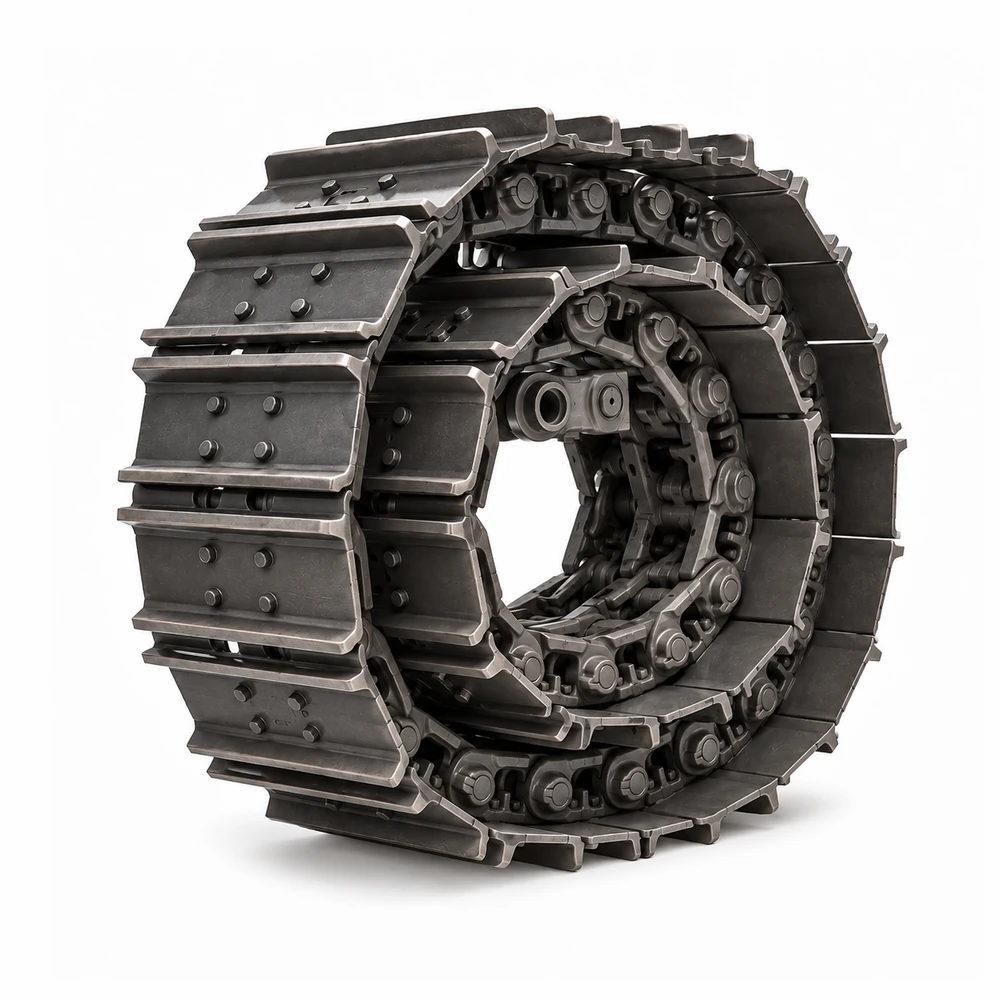
If chains and shoes both need replacement, compare loose chains plus shoe installation with assembled track groups. Factory- or supplier-assembled groups can reduce the number of fastening operations in the repair shop and remove uncertainty about reusing old shoes. Confirm the exact chain design, shoe width, grouser style, links per side, master connection, hardware, and whether the quote covers one group or a pair. Include freight and handling because complete groups are heavy and require suitable unloading equipment.
Recognize Wear Patterns That Point Beyond The Shoe
Bent corners, cracked plates, missing grousers, loose bolts, and elongated holes are direct shoe concerns. Uneven edge wear, repeated bolt loosening, or contact with guards may point to alignment, guiding, frame, or tension problems. If shoes on one side wear differently, compare the work cycle and measured undercarriage condition on both sides. Replacing plates without resolving abnormal contact can repeat the damage.
Inspect rails, roller flanges, idlers, guards, and track sag before installing the new set. Packed material can force the chain outward or change tension. Worn rollers and guides can allow excessive lateral movement. The shoe selection should be part of a whole-system repair even when the order contains only shoes and hardware. Document the underlying issue and include any supporting component in the quote scope.
Order Replacement Dozer Track Shoes With Confidence
Send the supplier the make, full model, serial number, configuration, current shoe width, grouser style, bolt pattern, links per side, chain number, quantity, and clear photographs. State whether you want to keep the current width or evaluate a change. Describe soil, slopes, turning, travel, and the primary dozing work. Ask for written confirmation that the proposed shoe fits the chain and machine arrangement.
Include the delivery ZIP code, address type, unloading capability, and needed-by date. Review whether hardware is included, stock status, expected dispatch, package weight, and freight service. If the width changes, confirm clearance and system suitability with qualified service support before ordering. Having the shoes, correct fasteners, chain components, lifting equipment, and service procedure ready together helps the crew finish the replacement without extending downtime for an overlooked detail.
Technical Sources And Next Steps
This guide provides general parts-planning information. Wear limits, tightening values, lifting procedures, and service steps must come from the operator, parts, and service information for the exact machine.