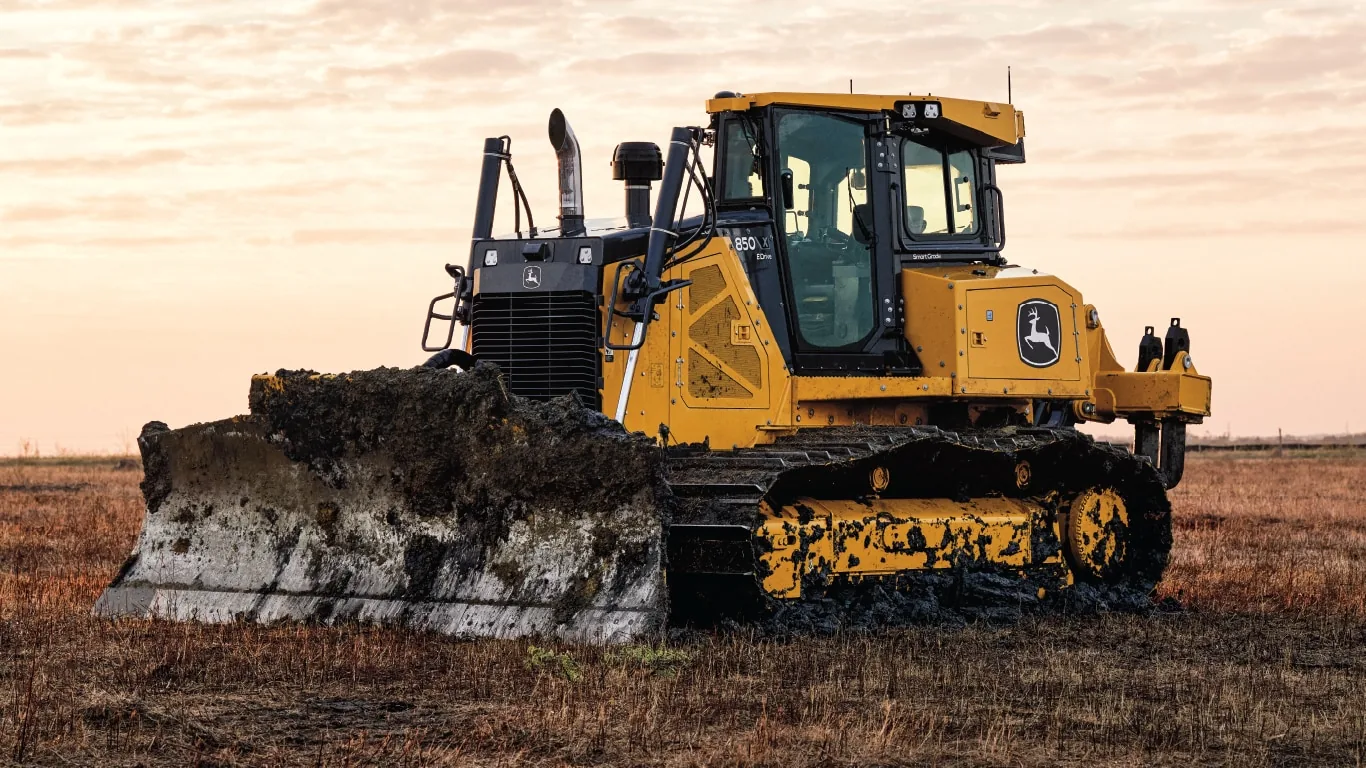

Aftermarket Parts For Your 700J Dozer
Choose the replacement scope after the shop has checked the wear. One leaking roller may call for a small repair. Worn rails, bushings, and drive surfaces may need a coordinated parts package. Ask for direct-replacement aftermarket options matched to the applicable OEM references, the installed track system, and any parts that will remain in service.
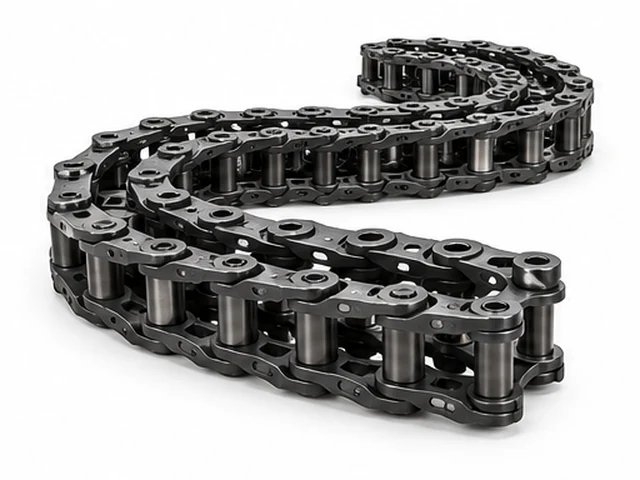
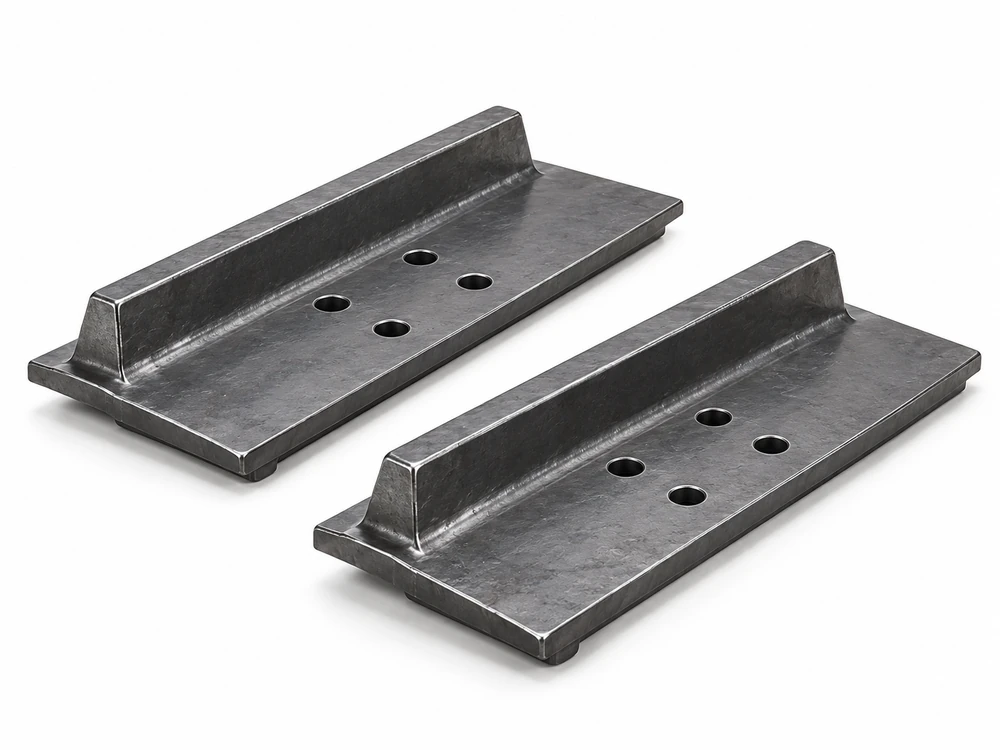
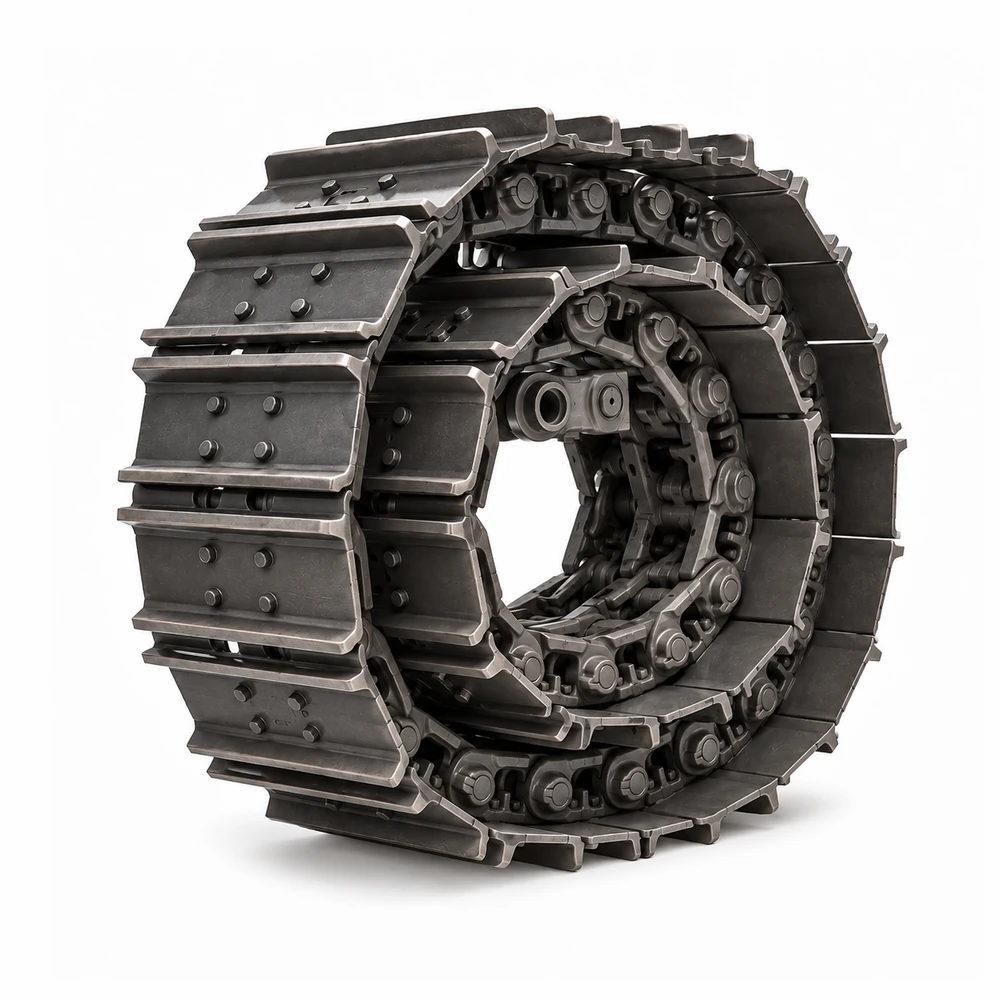
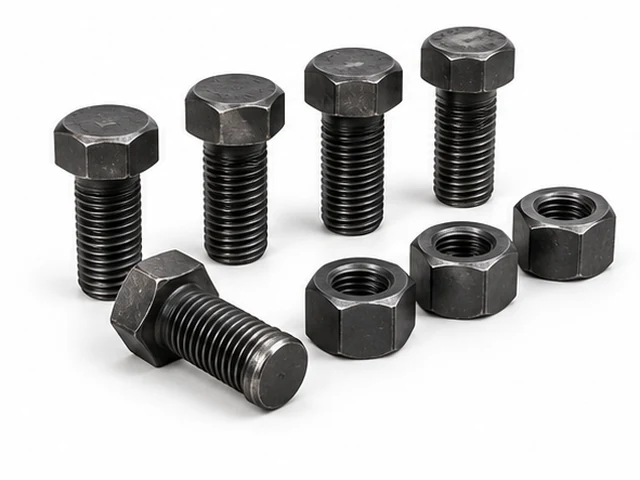
For a chain-only job, have the shop assess whether the shoes are worth moving. Sound plates, usable grousers, and intact mounting holes matter, as does the labor to remove and refit each shoe. Include replacement fasteners and the correct chain connection parts in the estimate. If the shoes are also worn, request an assembled track-group option with its contents stated.
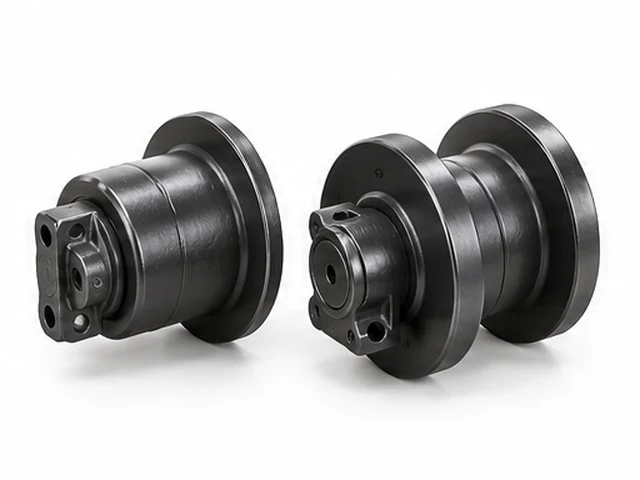
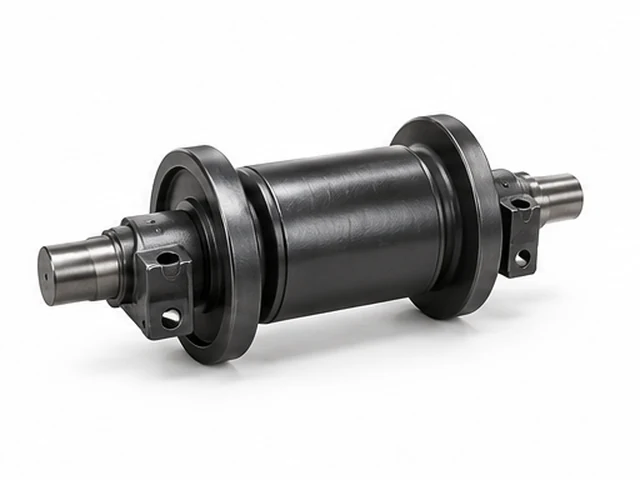
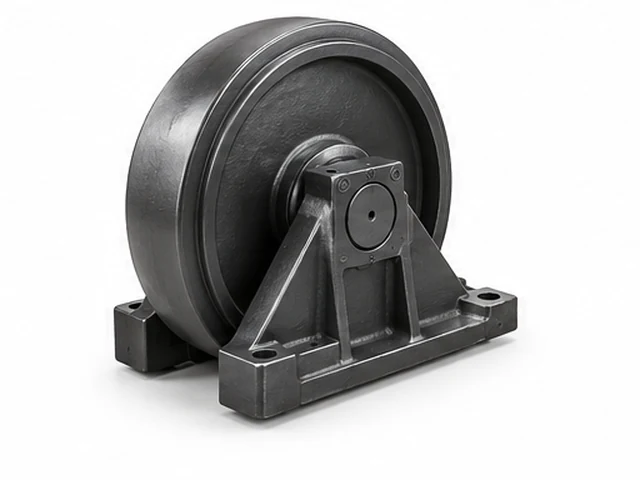
An individual roller request needs its side, position, flange arrangement, and mounting details. Number lower rollers from front to rear and list carrier rollers separately. For an idler, specify whether the request includes supports or other associated parts. Clear photographs of these interfaces help when a casting number is hidden or unreadable.
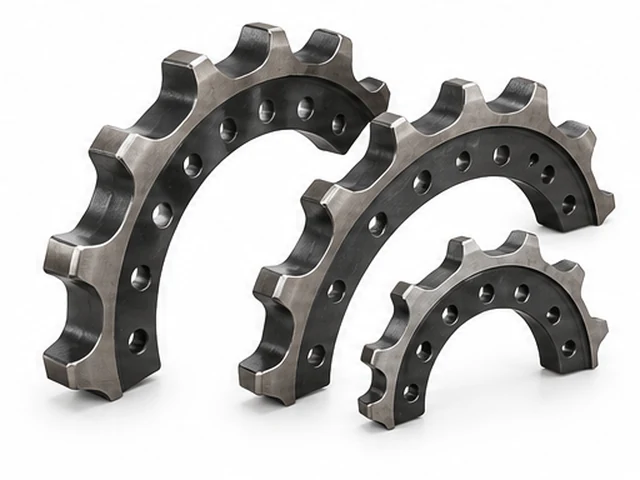
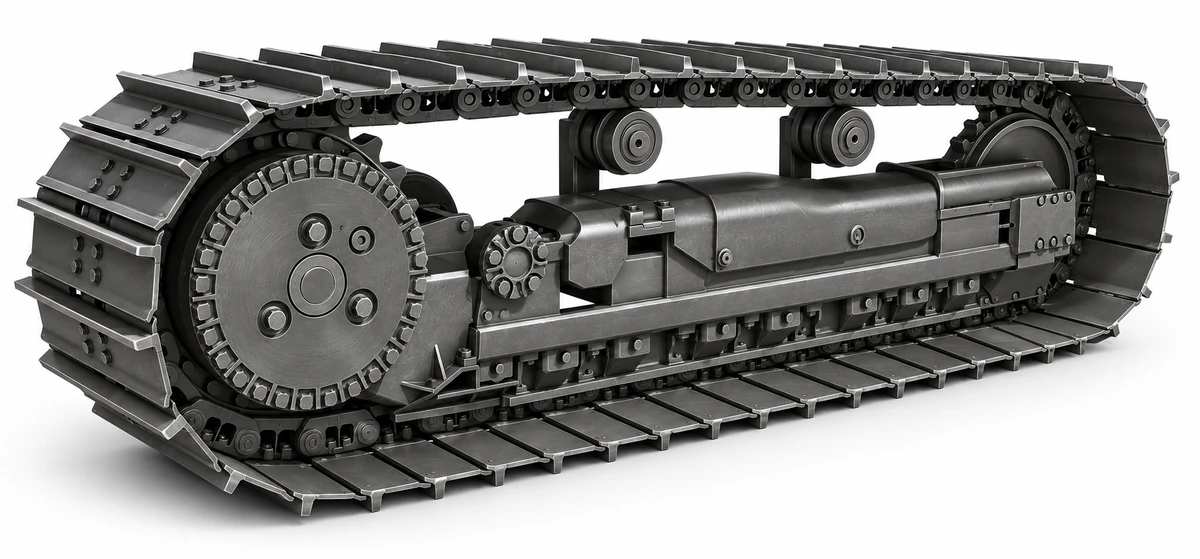
Complete kits should have a line for each component and its quantity. List chains or groups, rollers, idlers, sprocket segments, shoes where required, and hardware. Identify guards or adjuster work separately. Ask the reviewer to flag parts that require further measurements so the installer knows what remains unresolved before approval.
Compare the total repair cost for the same parts list. Include shoe transfer, fitting labor, freight, and unloading arrangements. Our service focus is fast quotes and shipping coordination to reduce downtime. The written offer should confirm actual availability, dispatch timing, and any applicable warranty terms for the selected aftermarket parts.
Part Information For Your 700J Quote
A useful 700J request shows both the original machine identity and the parts fitted today. Send the following together:
- Full machine identity: John Deere 700J, complete serial number or PIN, and a readable photo of the machine plate. Keep the engine serial in a separate field or note.
- Configuration: LT, XLT, or LGP; Standard or Maximum Life system when known; shoe width; and records of previous undercarriage changes.
- Installed components: chain markings, links per side, master connection photos, and readable roller, idler, or sprocket references. Include existing OEM numbers when available.
- Requested scope: parts and quantities, roller locations, assemblies to be retained, and whether chains should arrive with shoes fitted.
- Inspection evidence: wear measurements, the shop RFQ, and photos showing the damaged part, its mounting, and nearby contact surfaces.
- Job timing: destination ZIP code, needed-by date, whether the machine is down, unloading equipment, and any delivery access restrictions.
Leave uncertain references blank and explain what is missing. A number copied from a similar machine can send the review in the wrong direction. If the build record and fitted components disagree, supply both records. Ask your technician to take measurements that need guard removal, lifting, or other service access.
Use the Undercarriage Quote Checklist to organize your machine records, or the Track Chain Buying Guide when identifying a chain and its mating parts.