
Aftermarket Parts For Your 550J Dozer
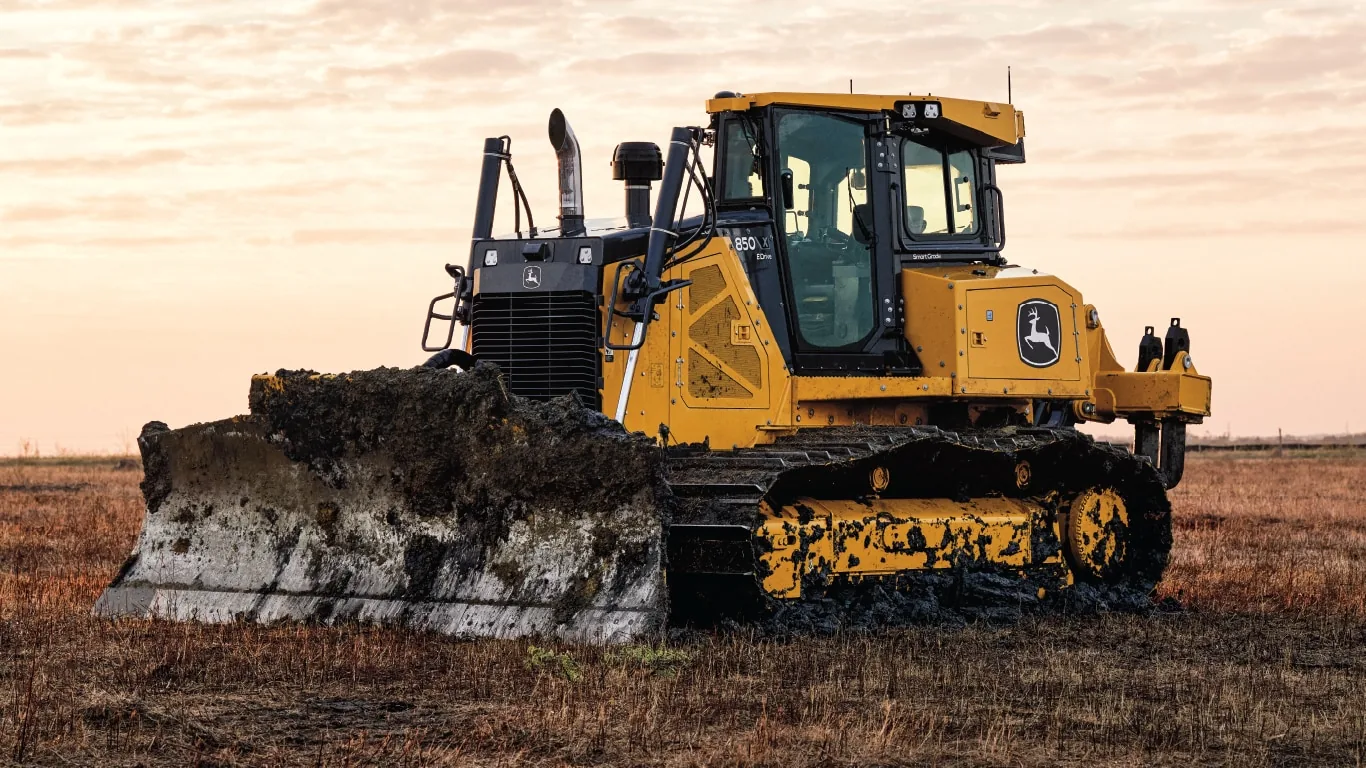
Start your 550J order with the repair you need to complete. A leaking roller calls for a different parts list than two worn track groups. Ask for direct-replacement aftermarket parts matched to the machine record and the components that will stay in service. Keep the LT or LGP designation in the request, along with any record of a track-system change.
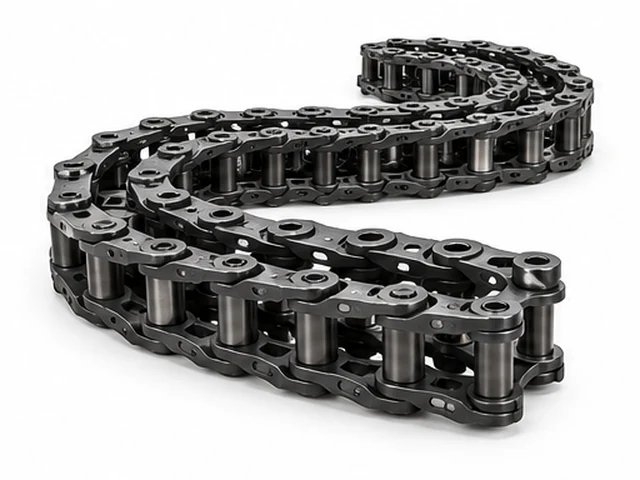
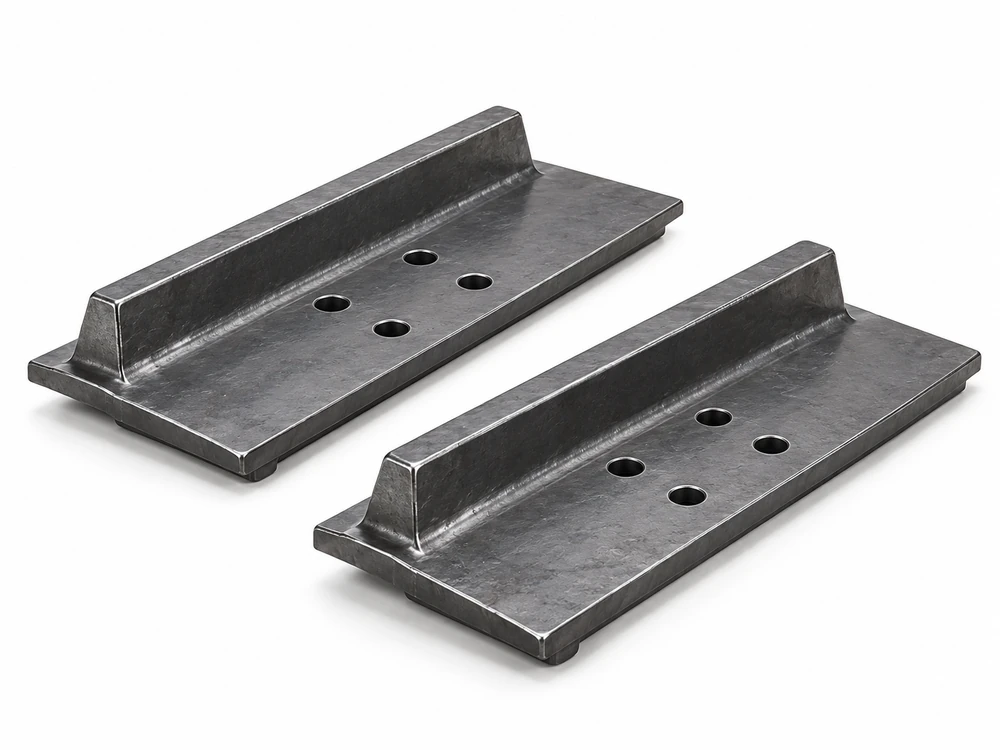
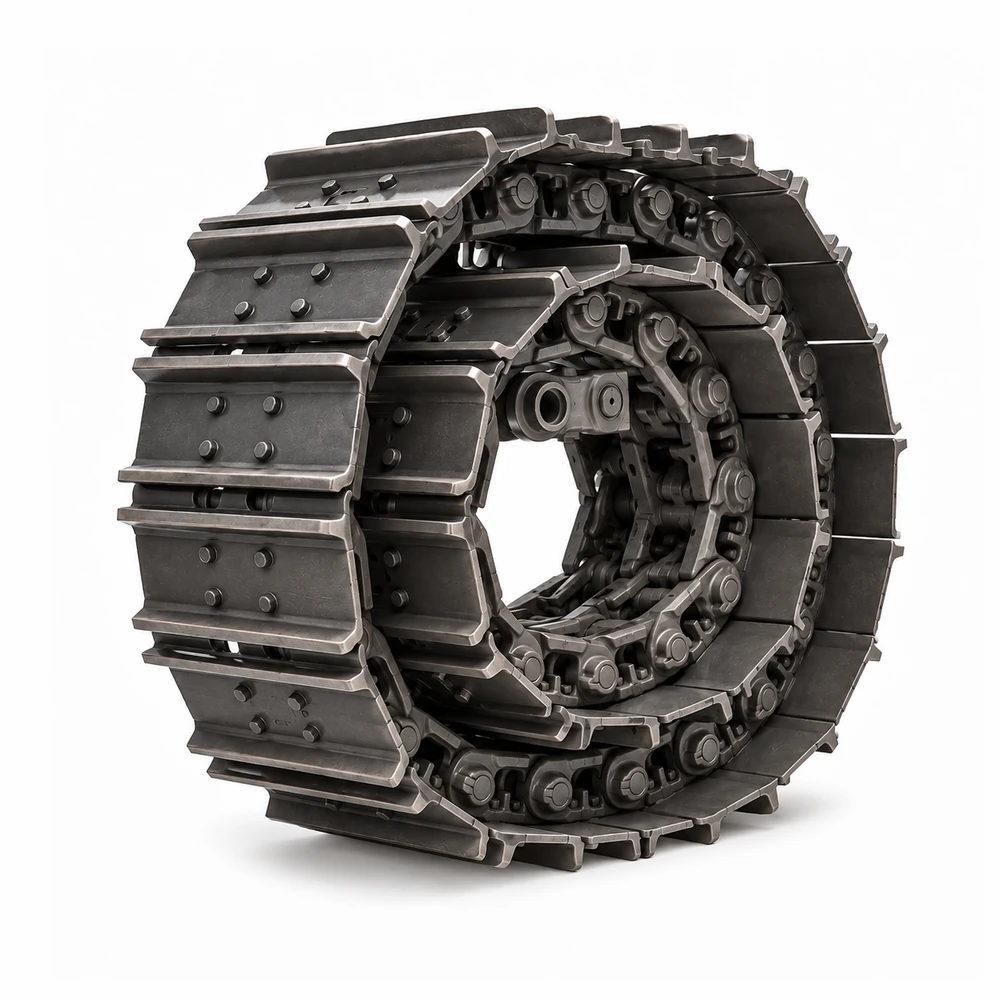
For loose track chains, check whether the old shoes are worth moving. Have the shop assess cracks, worn grousers, loose bolts, and enlarged holes. Include the cost of removing and fitting the shoes, plus the specified fasteners. Sound shoes can make a chain-only repair worth pricing. Worn or damaged shoes may make an assembled group a more useful option.
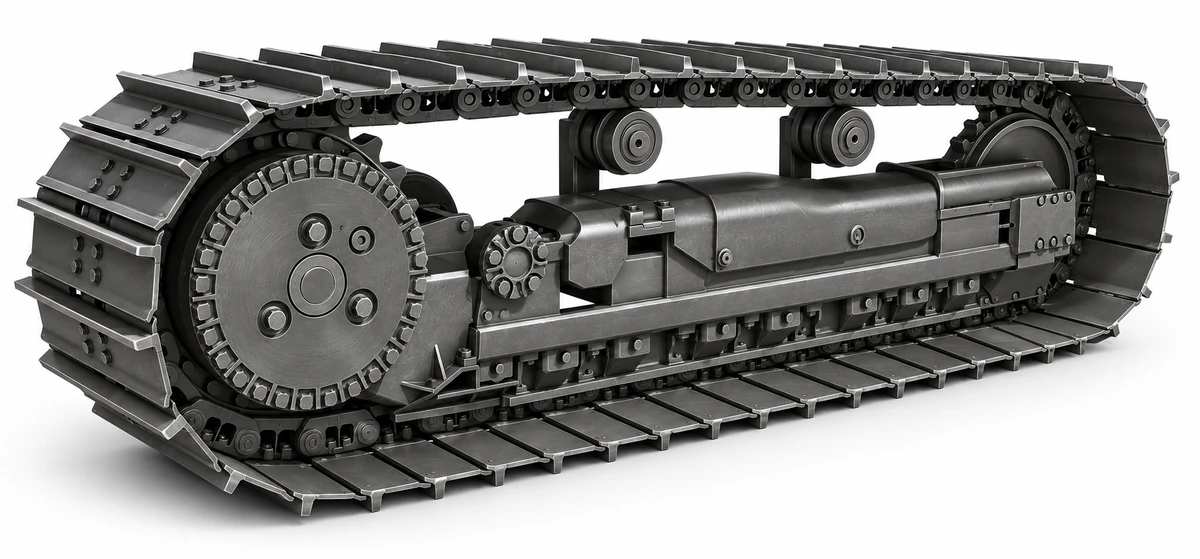
An assembled track group should have a clear description: chain system, link count, shoe width, grouser style, and supplied joining parts. Confirm whether the shoes come installed. Ask the supplier to check the new chain against the sprockets and running surfaces you plan to keep. A model name on a listing is only the start of that review.
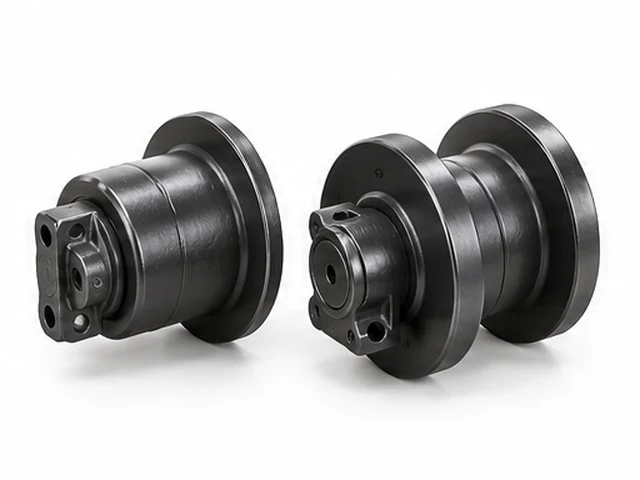
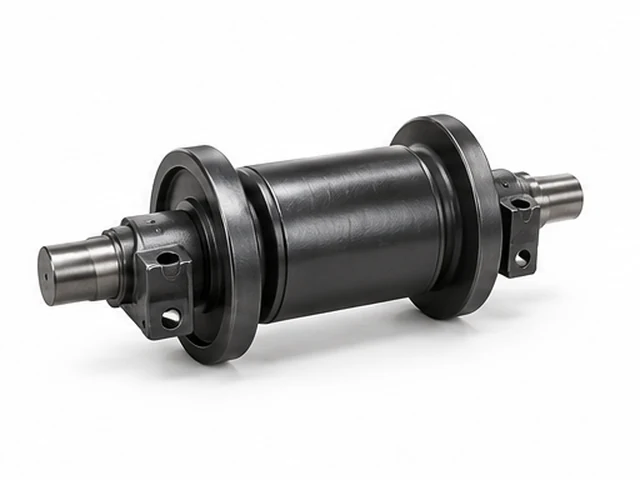
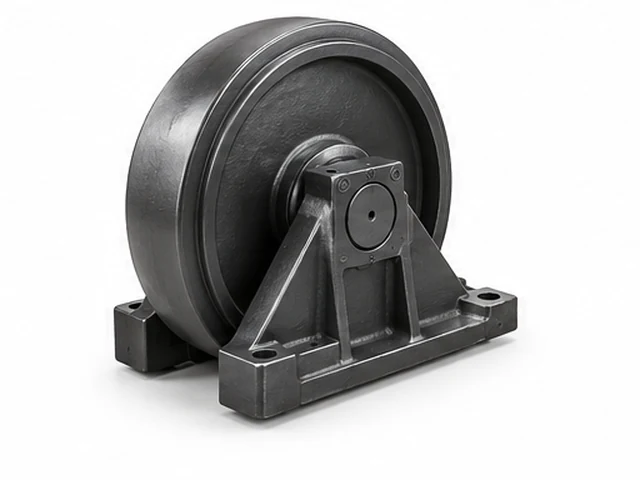
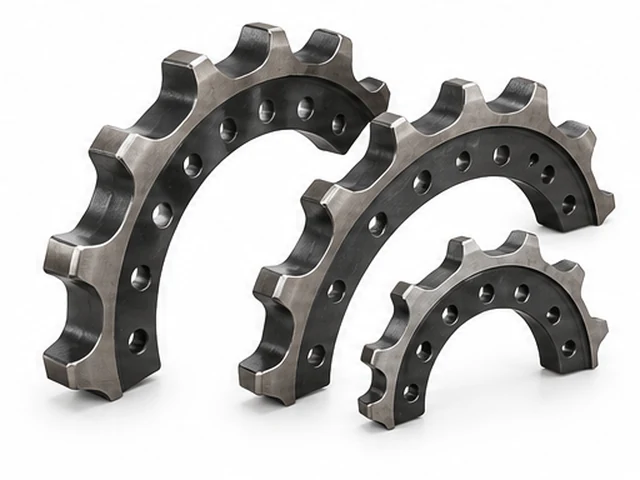
For a full kit, list the parts on separate lines. Include lower rollers, carrier rollers, idlers, drive components, chains or groups, and hardware as needed. Show quantities for each side. Keep guard repairs, track adjusters, and frame work visible in the scope so the workshop can plan them while the tracks are off.
Compare aftermarket and dealer prices using the same quantities and assembly contents. Freight, shoe-transfer labor, and missing hardware can change the total. Ask for current availability and the terms that apply to the offered parts. Our focus is fast quotes and shipping coordination; the written quote should confirm timing for your order.
Part Information For Your 550J Quote
A useful 550J request lets the parts reviewer see the machine, the failed item, and the planned repair. Gather the following before you open the quote form:
- Machine identity: full John Deere 550J PIN or serial number and LT or LGP configuration. Upload a clear machine-plate photo and keep the engine serial separate.
- Track system: standard or Maximum Life, when confirmed. Include past invoices, chain markings, and records of any conversion. Mark missing details as unknown.
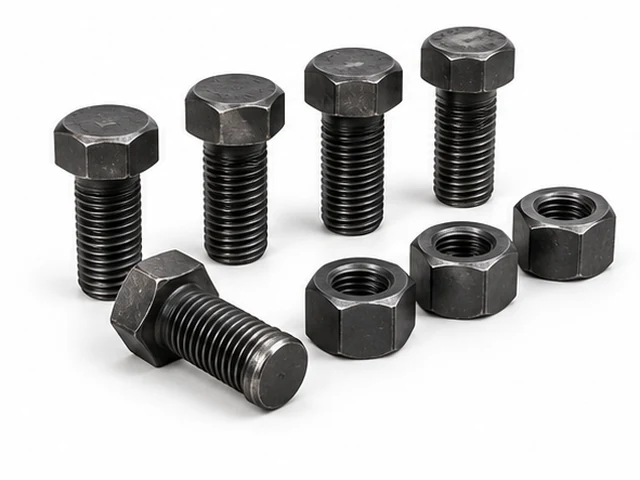
- Shoes and chains: measured shoe width, grouser type, mounting pattern, actual links per side, and a close photo of the master connection.
- Parts list: OEM references when available, one part number per line, and separate quantities. For rollers, label the side and position. For idlers, say whether brackets are needed.
- Condition evidence: photos of both track sides, the damaged part, and its mounts. Add the shop’s wear report or RFQ document if one exists.
- Delivery plan: ZIP code, unloading equipment, access limits, needed-by date, and Machine Is Down status. Mention any booked shop time.
You can still send a request when a number is missing. Explain which details you have checked and attach clear photos. Ask which measurements remain before fitment can be confirmed. Keep your shop involved when a measurement requires lifting, track removal, or access behind guards.
Use the Undercarriage Quote Checklist to organize your machine records, or the Track Chain Buying Guide when identifying a chain and its mating parts.