
Aftermarket Parts For Your 1050J Dozer
A useful parts order starts with a clear repair scope. Ask the shop to identify what is worn, what is damaged, and what can stay in service. Give us those findings with the existing component references. The replacement must suit the machine application and the retained parts; a model name or a matching shoe width is not enough to confirm that combination.
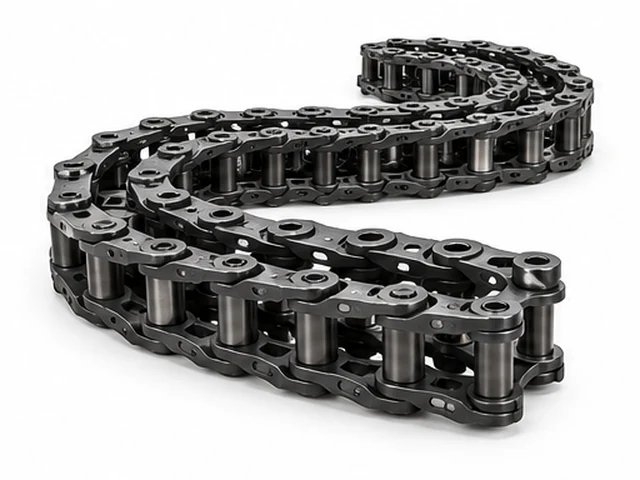
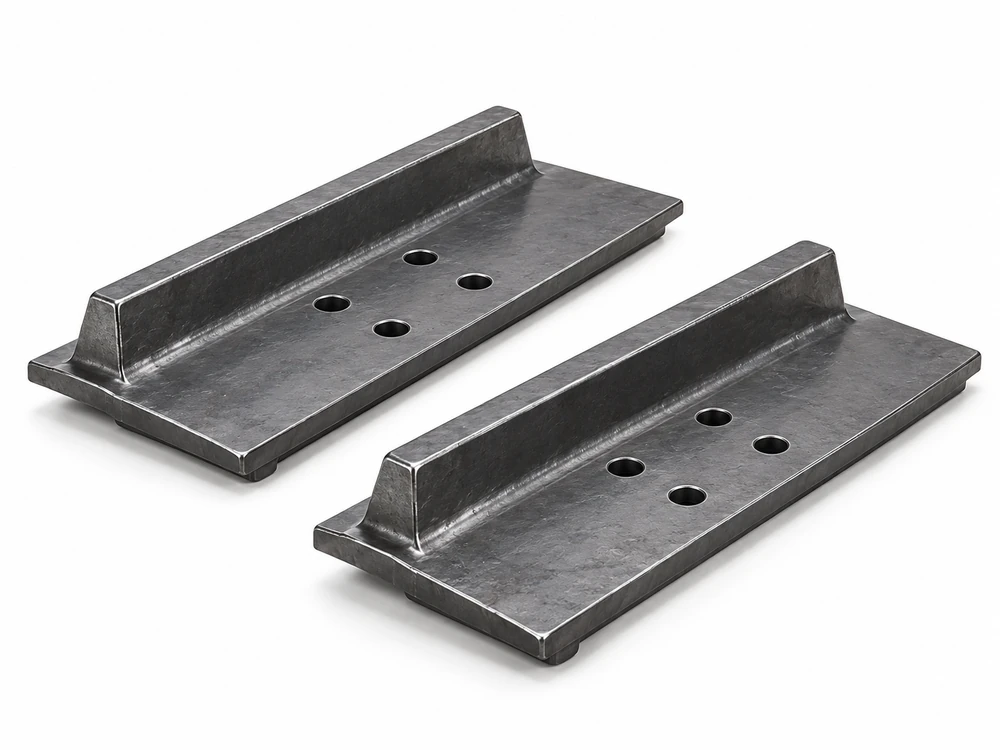
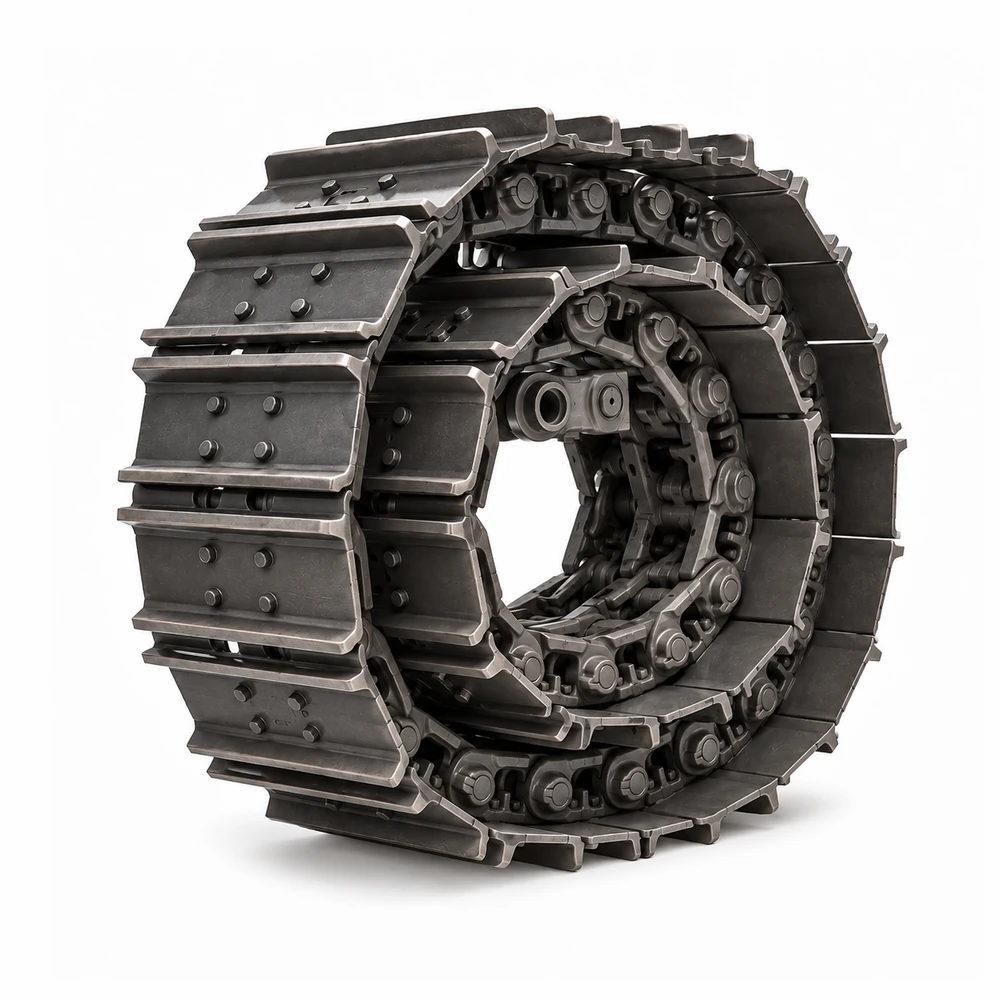
For a chain repair, compare loose chains with assembled track groups. Loose chains may suit a job where the shoes remain sound and transfer labor is practical. Have the installer inspect shoe plates, grousers, mounting holes, and fasteners first. Include connection parts and shoe-transfer costs when comparing the two options.
For complete groups, specify the number of sides, shoes fitted, shoe duty, and supplied hardware. Ask whether the master connection is included and how the group will arrive. Record any packaging or handling needs with the order. This prevents a quote for a single bare chain from being compared with a pair of ready-to-fit groups.
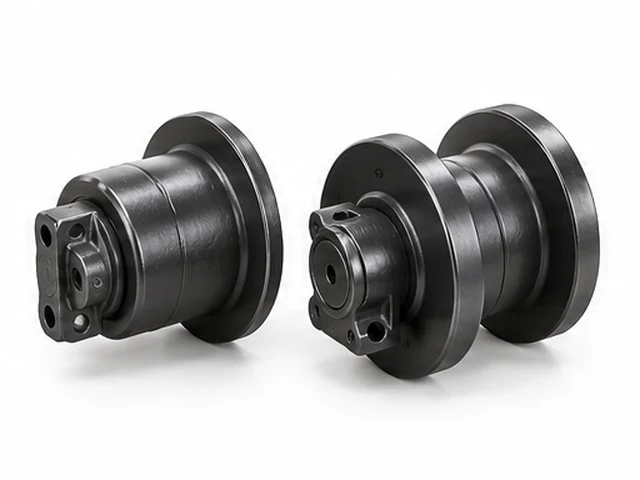
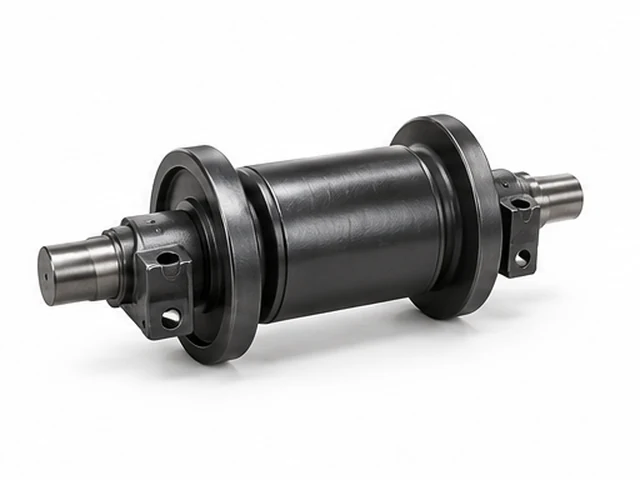
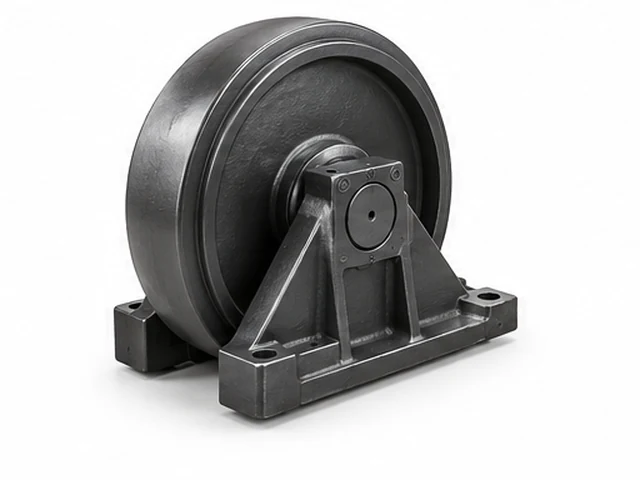
Lower rollers, carrier rollers, and idlers can also be requested individually. Mark the failed position on a side photograph. Show the flange shape, mounts, and any readable number. For an idler, ask the offer to distinguish the wheel from an assembly with supports. Confirm which associated parts the installer will reuse.
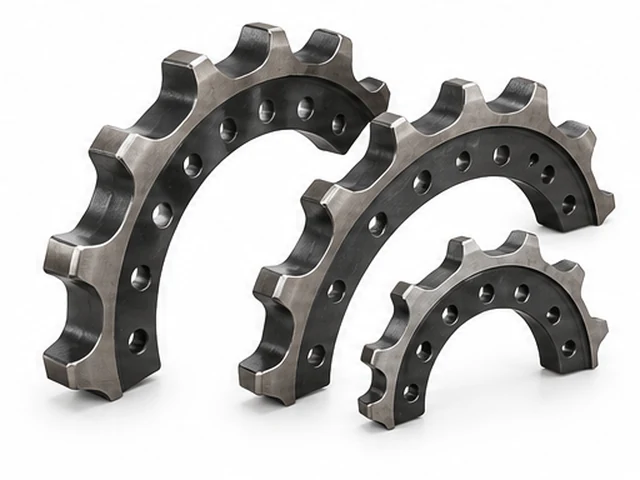
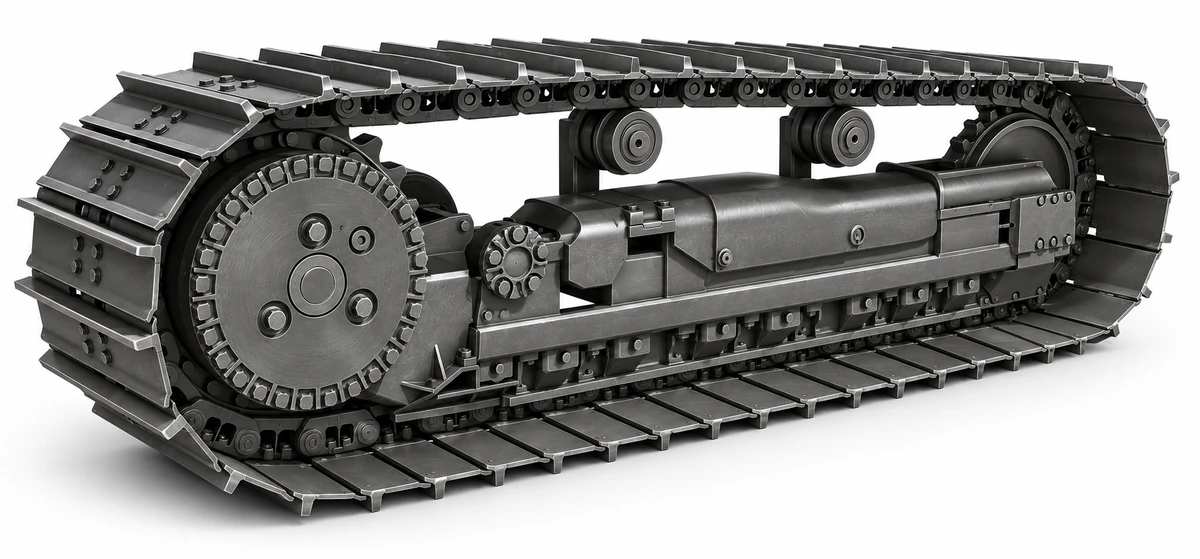
A complete kit should have a written bill of materials. Include segment sets and mounting hardware where needed, along with chains, shoes, rollers, and idlers. Keep repairs to guards, guides, adjusters, or frames separately identified. Fast quotes and shipping coordination are our service focus; confirm actual stock, dispatch plans, freight charges, and applicable warranty terms in the offer.
Part Information For Your 1050J Quote
Gather these details before submitting your request so the parts reviewer can resolve fit questions and price the same job your installer plans:
- Machine identification: full John Deere 1050J name, complete serial number or PIN, and a readable machine plate photo. Include any special arrangement recorded for the machine.
- Installed tracks: chain markings, actual links per side, shoe width and grouser style, connection photos, and invoices from earlier undercarriage changes.
- Parts list: OEM or replacement references when available, quantities, machine side, roller positions, and whether the request covers individual parts or complete groups.
- Retained parts: assemblies staying in service, the wear report, and photographs of adjacent running surfaces and mounts.
- Repair documents: shop RFQ, component photos, and any measurements already taken. Label estimates clearly so they are not treated as confirmed dimensions.
- Delivery needs: destination ZIP code, unloading equipment, site access limits, needed-by date, and whether the machine is down.
If markings are missing, send overall and close-up photos rather than guessing a part number. Keep the engine serial separate from the machine PIN. Measurements that require lifting or guard removal should be taken by a technician. Confirm unresolved details with the parts reviewer before approving the shipment.
Use the Undercarriage Quote Checklist to organize your machine records, or the Track Chain Buying Guide when identifying a chain and its mating parts.