Inspect Sprocket Teeth And Segment Hardware
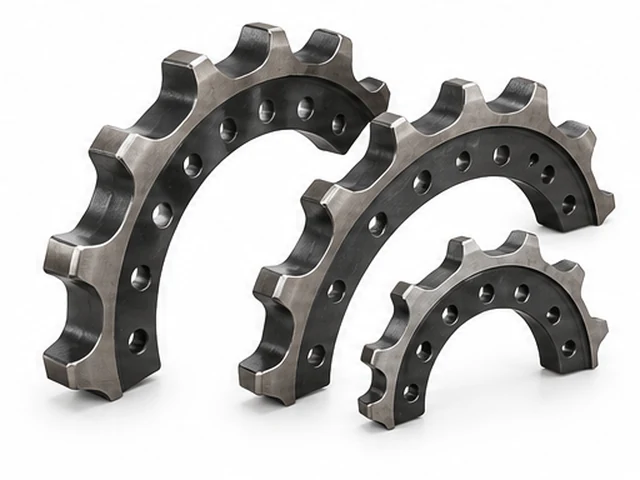
Look for teeth that are hooked, pointed, thinned, chipped, or worn more heavily on one side. Compare the profile around the entire sprocket; localized damage can be missed in one photograph. Bolt-on segments should be checked for loose or missing hardware, damaged mounting surfaces, and inconsistent wear between segments. Complete sprockets require identification of the hub and mounting arrangement. Cleaning the area improves both visual inspection and photography.
Do not choose a replacement only by tooth count. Sprocket pitch, tooth profile, bolt pattern, segment arrangement, and machine serial range must match the chain and drive system. Photograph part numbers and mounting details, then ask the supplier to confirm the aftermarket cross-reference for the exact machine and proposed chain. Include new segment hardware when specified rather than planning to reuse damaged or stretched fasteners.
- Tooth hooking, pointing, thinning, chipping, and side wear
- Segment bolt condition and mounting-face damage
- Sprocket or segment part numbers and tooth count
- Differences between left and right sides
When Replacing Chains And Sprockets Together Makes Sense
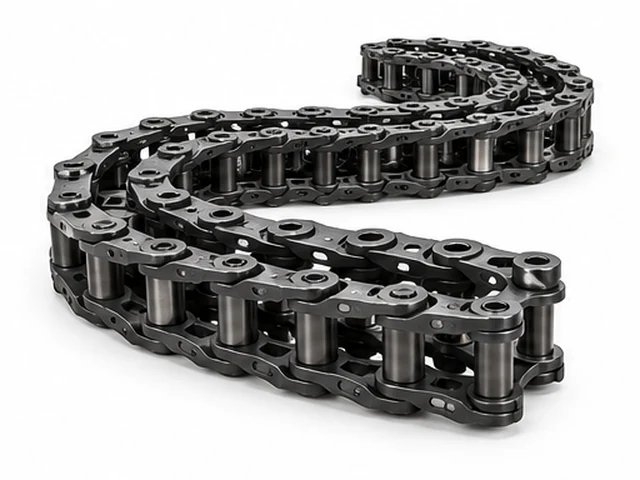
A combined replacement is often the practical scope when the chain has substantial pitch wear and the sprocket teeth show a developed matching profile. New chain bushings can contact a heavily worn tooth at the wrong area, creating noise, impact, poor engagement, and accelerated wear. Replacing both mating surfaces establishes a compatible starting point when the rest of the undercarriage can support it.
The same conclusion may apply when the machine is already scheduled for a major undercarriage shutdown and the measured sprocket life is too short to cover the next planned interval. Adding segments or sprockets during the same teardown can prevent another near-term outage. Price the combined scope with chain assemblies, master components, sprockets or segment groups, hardware, freight, and labor. If shoes will be transferred, include that work; if they are worn, compare assembled track groups.
When A Sprocket May Be Reused
Reuse may be reasonable when the sprocket was recently replaced, measures within the applicable limits, has an acceptable tooth profile, and remains compatible with the new chain. A chain may require replacement because of a cracked link, damaged master connection, contamination, or isolated problem rather than end-of-life pitch wear. The decision should be documented by inspection, not based only on the sprocket looking better than the removed chain.
Consider expected machine hours and future service plans. A sprocket with usable but limited life could still force a second shutdown before the new chain has delivered its expected value. Ask the technician to estimate remaining condition using the best available measurements and wear references. Then compare the cost of replacement now with the labor, freight, and downtime of a separate job later. Reuse is a planning decision as well as a wear decision.
Check The Rest Of The Undercarriage Before Ordering
Rollers and idlers carry and guide the same chain. Inspect tread diameters, flanges, leakage, rotation, and alignment. Worn roller flanges can force side contact into new rails. A worn idler or damaged guide can affect tracking. Verify that the adjuster holds pressure and that track sag can be set to the machine specification. Packed material and excessive tension should be corrected before the new parts begin work.
Review track shoes and mounting hardware. If shoes are reusable, confirm bolt pattern and mating surfaces for the replacement chain. If grousers, plates, or holes are worn, request assembled groups or new shoes as an alternate. Also inspect guards, frame mounts, and visible final-drive areas. A chain-and-sprocket repair succeeds when the surrounding system guides, supports, and tensions the new components correctly.
Request Two Repair Scopes For A Clear Comparison
When measured condition leaves a legitimate choice, request a chain-only quote and a chain-plus-sprocket quote from the same information. Each should list quantities, part numbers, chain design, links per side, master connection, and included hardware. Identify whether the sprocket option contains segment groups or complete sprockets. Ask the supplier to confirm compatibility between every quoted mating component.
Add shoe transfer or assembled track groups, freight, unloading, and shop labor to both scopes. Note which inspected parts remain in service and their condition. This format exposes the true difference between options. It also prevents a combined package from appearing expensive simply because it includes hardware or freight that the chain-only quote leaves unstated. The buyer can then decide around total installed cost and planned downtime.
Plan Installation To Protect The New Components
Before teardown, confirm the machine-specific lifting, blocking, tension-release, connection, and tightening procedures. Track adjusters and recoil assemblies store energy, and track components are extremely heavy. Qualified personnel should use appropriate tooling, press capacity, stands, and lifting equipment. Clean and inspect mounting faces, guards, and frames while access is open. Replace specified hardware and follow the correct tightening sequence and values.
After installation, set track sag by the operator or service manual and check that both sides track correctly. Reinspect shoe and segment hardware according to the service plan. Watch for noise, heat, leakage, or abnormal side contact during the initial operating period. Continue regular cleaning, tension checks, and wear measurements. A well-planned break-in and monitoring routine helps the new chain and sprocket develop a stable contact pattern.
Order Compatible Chains And Sprockets Without Delay
Send the manufacturer, full model, serial number, configuration, chain pitch, links per side, shoe width, master style, sprocket or segment arrangement, measured wear, photographs, and part numbers. State whether you need one side or both and whether shoes will be reused. Include the delivery ZIP code, unloading capability, and needed-by date. Ask for direct-replacement fitment confirmation tied to the information you supplied.
Review stock status for every line, not only the chains. Confirm whether segment hardware and master components will ship with the main order, the expected dispatch date, package weights, and freight method. Coordinate delivery with the shop and avoid scheduling the outage until critical parts and equipment are ready. A complete request allows fast quoting and shipping to support the real objective: returning the dozer to production with mating components that work together.
Technical Sources And Next Steps
This guide provides general parts-planning information. Wear limits, tightening values, lifting procedures, and service steps must come from the operator, parts, and service information for the exact machine.