Compare The Technical Scope
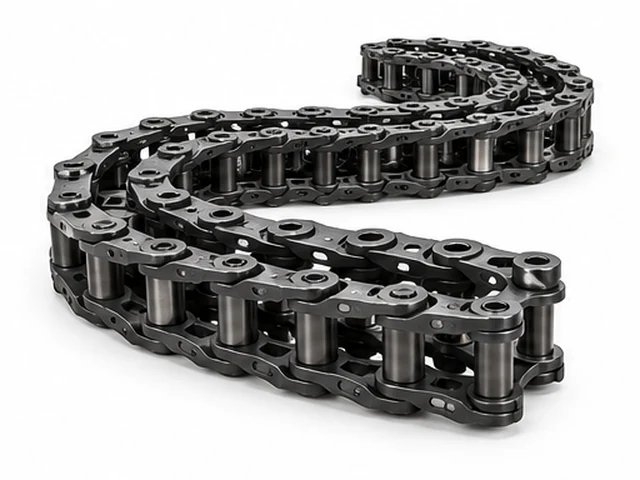
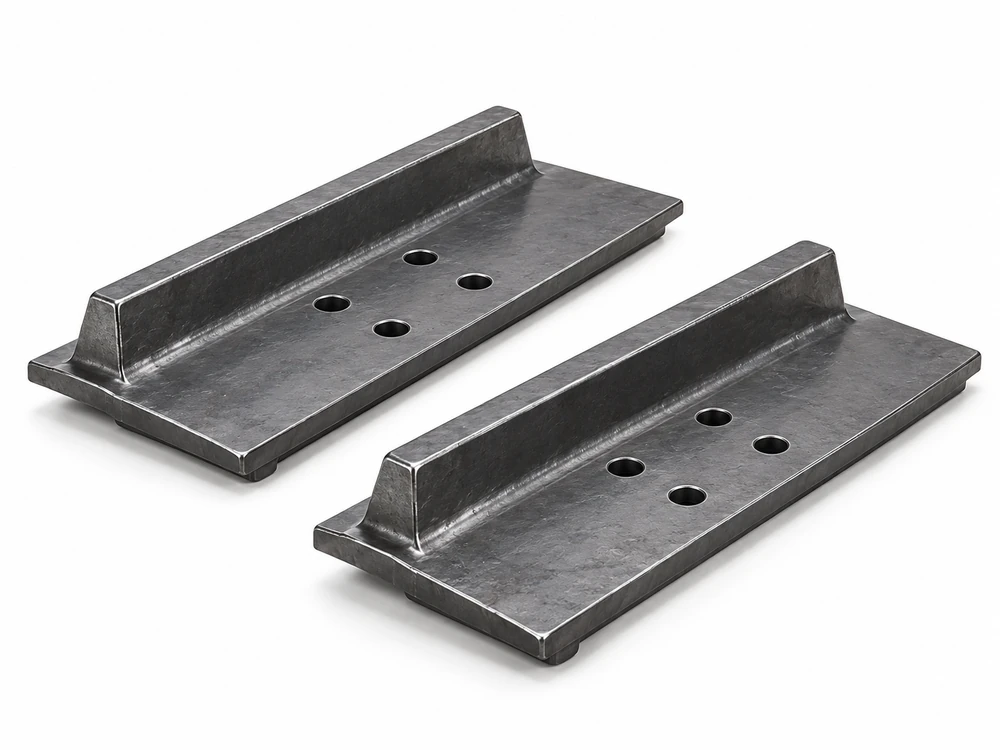
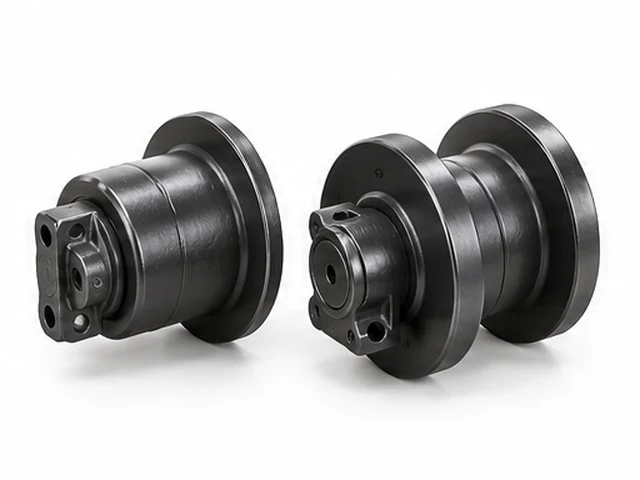
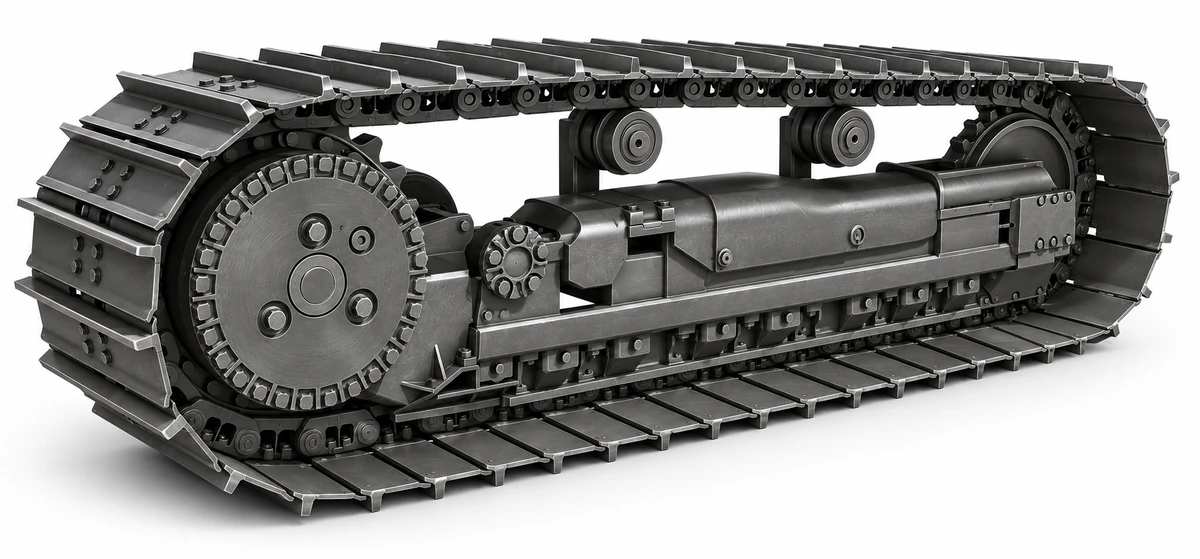
For chains, compare pitch, link count, joint design, master connection, rail and bushing relationship, and shoe fit. For rollers and idlers, compare tread, flange, shaft, seal, bracket, and mounting details. For sprockets, compare tooth configuration, count, segment or complete-sprocket form, and bolt or hub arrangement. For shoes, compare width, grouser, plate, bolt pattern, and intended ground conditions.
Do not compare an OEM complete assembly with an aftermarket bare component. Build the same bill of material for both options. List chains, shoes, rollers, idlers, sprockets, hardware, adjuster parts, guides, and any retained components. If one quote includes shoe transfer, seals, or mounting hardware and the other does not, the totals are not comparable.
Match The Parts To The Work
Consider how the dozer is used. Rock, sand, clay, demolition debris, soft ground, side-hill work, long travel, and frequent reversing affect wear. A shoe width that suits flotation may not suit firm or rocky ground. A chain design or component package should be evaluated against the machine arrangement and duty cycle, not selected only because it is the least expensive line item.
Review the condition of mating parts. A new chain may need sprockets. A new roller may not solve a damaged guide. An idler replacement may need adjuster or wear-plate work. The OEM and aftermarket options should be compared against the same inspection findings. Ask for targeted and broader scopes when the technician believes both are reasonable.
Compare Supplier Support And Documentation
Ask what information the supplier needs to confirm fitment, whether the quote lists the supplied component references, and how unresolved identification questions will be handled. Review the written parts list, quantities, hardware, installation assumptions, return conditions, and any stated warranty terms. Do not infer a warranty or service-life promise that is not supplied in writing for the actual quote.
Support also includes communication during ordering and receiving. Confirm who will review photos, which component changes require approval, how split shipments are identified, and what to do if the received part differs from the approved scope. Keep the machine serial, quote, photographs, and receiving record together so the shop can verify the parts before installation.
Include Freight And Downtime In The Comparison
Undercarriage parts are dense and often ship by freight. Compare the delivered cost, not only the part price. Provide the ZIP code, commercial or jobsite address, access limits, dock or forklift availability, unloading equipment, and needed-by date. Ask whether the parts will ship together, what the packed dimensions and weights are, and when dispatch will be confirmed.
Downtime can change the best choice. A lower-priced option with unresolved fitment or uncertain timing may cost more if the machine is already torn down. An assembled track group may carry a higher parts price but reduce shoe-transfer work. An OEM part may be appropriate for a particular warranty or engineering requirement, while an aftermarket direct replacement may fit an older machine and the owner’s repair plan. Make the tradeoff visible in the written comparison.
Build A Like-For-Like Parts Request
Send the same machine identity, inspection report, photos, quantities, component scope, delivery information, and deadline to each supplier. Ask for OEM and aftermarket options only when both are relevant to the actual machine. Request line-item pricing for parts, hardware, freight, and any separately quoted labor. State what will be retained and whether shoes are transferred.
Before approving the order, verify the exact fitment, component descriptions, quantities, included hardware, availability, dispatch plan, and support terms. Keep the quote and research notes separate from customer-facing copy, but give the parts supplier enough evidence to check the machine. The strongest comparison is not “OEM or aftermarket?” It is “Which confirmed parts package gives this dozer the right repair scope, delivered on a workable schedule?”
Technical Sources And Next Steps
This guide provides general parts-planning information. Wear limits, tightening values, lifting procedures, and service steps must come from the operator, parts, and service information for the exact machine.