Clean And Visually Inspect Each Roller
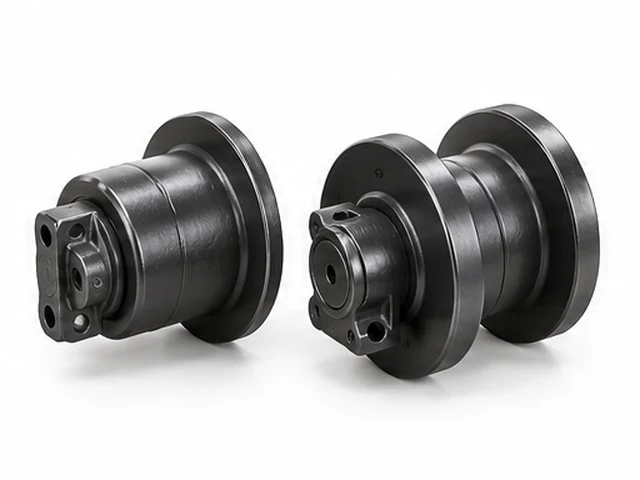
Remove packed dirt and rock according to the machine’s cleaning guidance before judging the roller. Look for oil or grease leakage, wet seals, damaged tread, flat spots, cracking, flange chipping, and evidence of metal contact. A carrier or guard can hide a problem, so inspect from safe positions and do not put hands near a track that can move. Record fresh leakage separately from old dirt or staining.
Check whether each roller turns freely when the approved service procedure allows that check. A seized roller may create a flat worn area on the rail and can accelerate chain wear. Look for abnormal bright contact marks, paint loss, or packed material between the roller and frame. Do not remove guards or lift the machine unless qualified personnel follow the correct procedure for the dozer.
Measure Wear Against The Correct Reference
Roller wear should be compared with new dimensions and service limits for the exact component and machine. A caliper or roller-measuring tool may be used at the widest usable tread area, but the measurement method matters. Flange height, tread diameter, side wear, and other dimensions can have different reference points. Record the tool location and reading so a technician can reproduce the inspection.
Do not use a generic diameter or a measurement from another model as a fitment rule. The same manufacturer may use different roller profiles in neighboring machines. If a guard prevents a reliable reading, document the limitation and provide the machine identity, photos, and accessible measurements to the supplier. The correct replacement should be confirmed against the serial application and mounting arrangement.
Inspect The Chain, Rail, Idler, And Mount
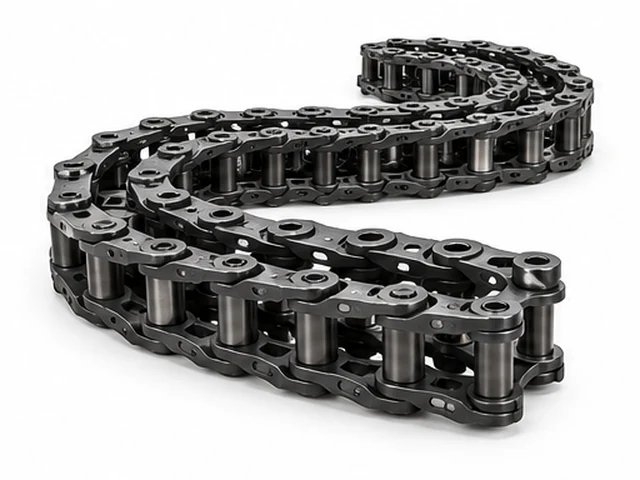
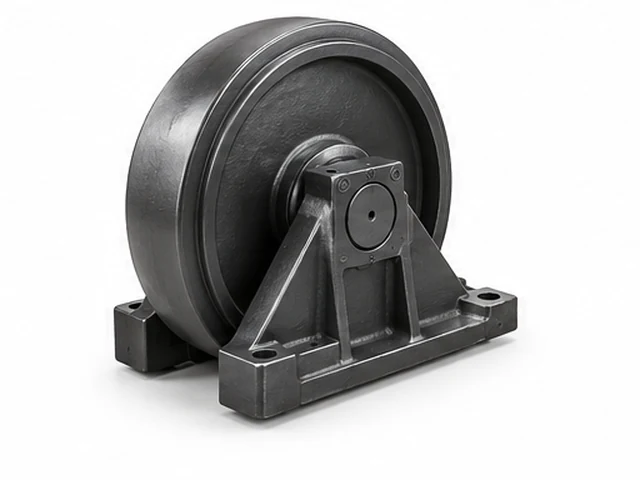
A roller works against the chain rail, so inspect the rail height, side wear, and signs of abnormal contact at the same time. Check for stretched chain joints, damaged links, and a chain that is not tracking centrally. Review the front idler and its guides for wear or movement. A new roller cannot correct a bent guide, wrong track tension, damaged rail, or misaligned frame.
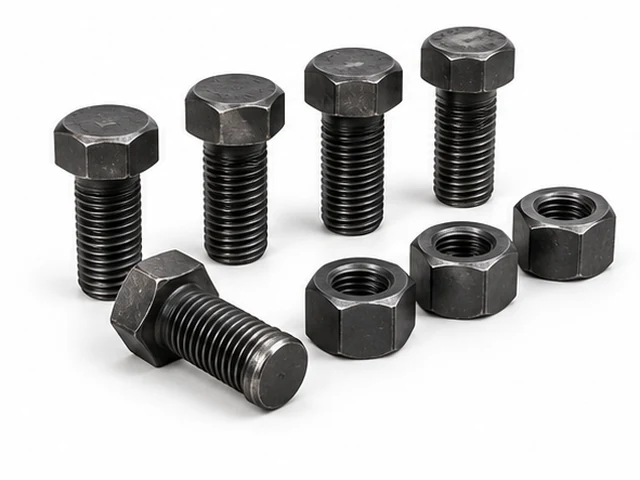
Examine the roller mounting bolts, threads, bosses, and surrounding frame. A loose or damaged mount can make a replacement fail early. Note missing hardware and any weld repairs. Ask the shop to state whether the repair includes only the roller, a mounting kit, frame correction, or neighboring rollers. Keeping those items separate makes the parts and labor scope easier to compare.
Decide Between One Roller And A Set
An isolated failure does not automatically require a complete lower set. If the remaining rollers have documented service life and the frame is sound, an individual replacement may be reasonable. If several rollers are near their limits, the chain has uneven rail wear, or a new roller would sit significantly higher than worn neighbors, request a complete or position-specific set for comparison.
Ask the technician to map the condition by side and position. Include which rollers are new, reusable, leaking, seized, or below the applicable limit. A set quote should state the flange sequence and quantity, not only say “bottom rollers.” Confirm whether bolts, washers, seals, or mounting hardware are included. The goal is a level, compatible support system, not just a new part at one location.
Prepare The Roller Replacement Request
Send the machine plate, model and serial, configuration, position map, photographs, measurements, readable component numbers, and required quantity. Say whether the machine is down and include the destination ZIP code, delivery address type, unloading equipment, and needed-by date. If the rollers are part of a larger repair, list chains, shoes, idlers, sprockets, guards, and adjuster work as separate lines.
Request written confirmation of the proposed roller profile, flange arrangement, mounting details, and serial applicability. Ask about availability, freight, packed dimensions, and dispatch timing for the actual quantity. Review the quote with the technician who inspected the frame. Confirm the adjacent components that will remain in service before approving the order, then plan the work around the correct lifting and service procedures.
Technical Sources And Next Steps
This guide provides general parts-planning information. Wear limits, tightening values, lifting procedures, and service steps must come from the operator, parts, and service information for the exact machine.