
Why Sprocket Wear Is A Chain-Fitment Question
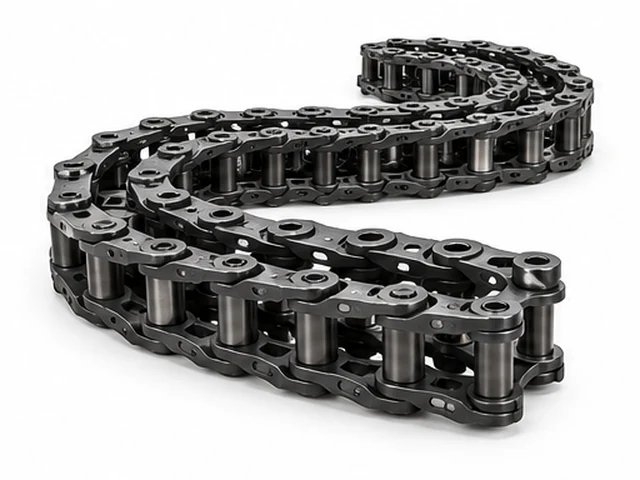
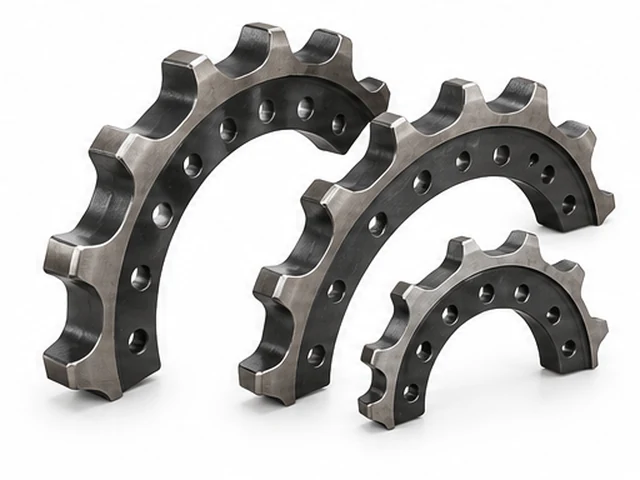
The sprocket teeth engage the track-chain bushings and transfer drive force to the track. As the chain wears and its pitch changes, the contact pattern changes too. A sprocket can develop hooked, pointed, thinned, or uneven teeth. A new chain running on severely worn teeth may not engage correctly, while a new sprocket cannot correct a chain with excessive pitch or damaged links.
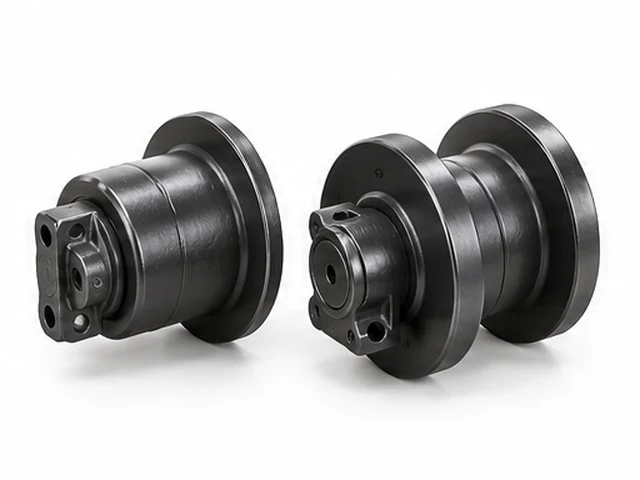
Sprocket replacement should therefore be evaluated with the chain, rails, rollers, idlers, and tension system. The visible tooth tip is not the only point that matters. Use the machine’s inspection method or wear gauge when available, and have a qualified technician confirm the condition before ordering a drive component.
Identify The Installed Drive Arrangement
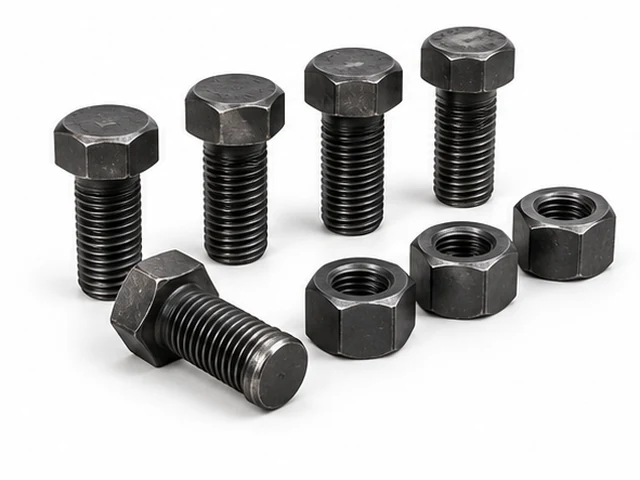
Record the manufacturer, complete model, serial number or PIN, configuration, chain system, and whether the dozer uses bolt-on segments or a complete sprocket. Photograph the drive circle from both sides if possible. Include the tooth count, segment count, bolt-hole pattern, hub or mounting arrangement, and any readable casting or part numbers. Do not assume two sprockets with the same tooth count share the same mount.
State whether the request covers one side or both sides and whether the machine has a prior conversion. Track pitch, chain design, serial range, and drive mounting can change the correct replacement. If the sprocket or segments were replaced previously, include the current component information and any invoice records. The installed assembly is the starting point for a fitment review.
- Full machine model, serial or PIN, and arrangement
- Segments or complete sprocket identification
- Tooth count, bolt pattern, hub, and quantity per side
- Chain pitch, link count, bushing condition, and prior repairs