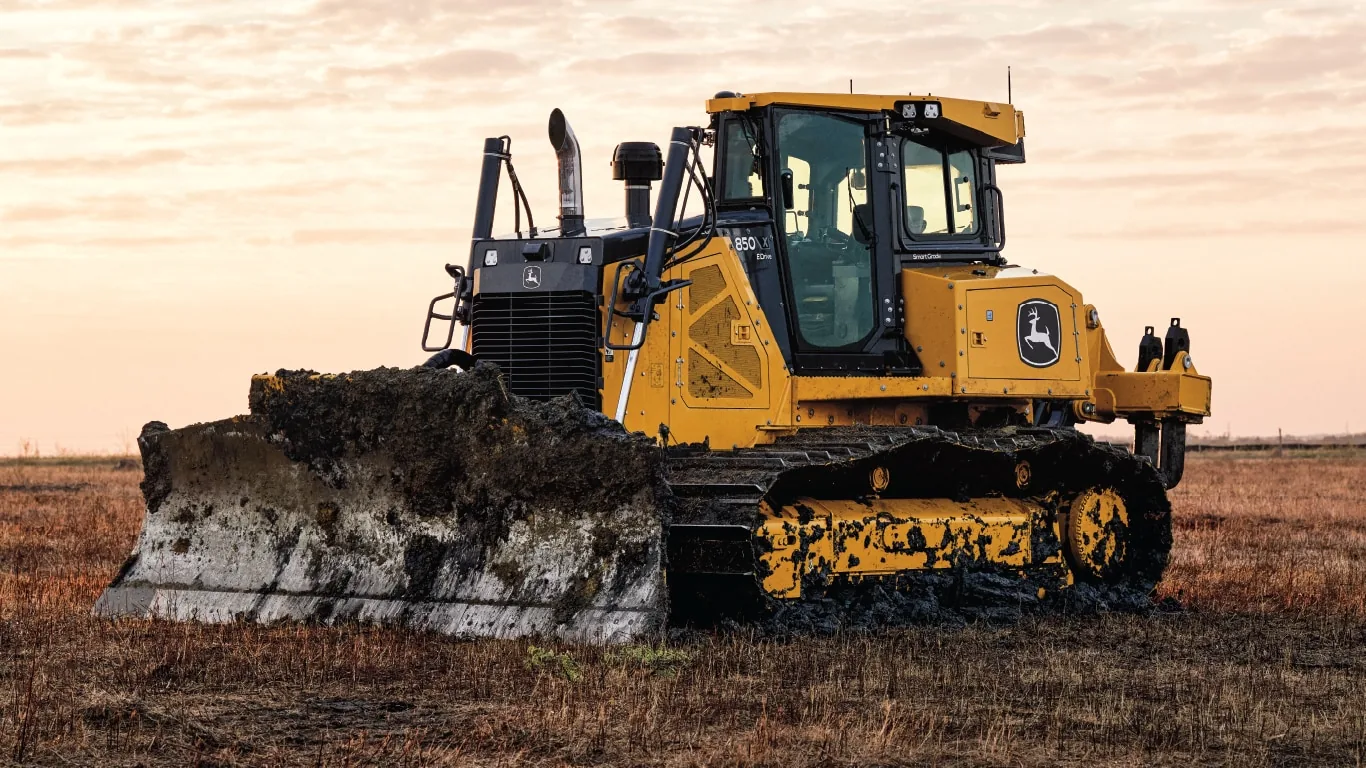

Aftermarket Parts For Your 950J Dozer
Start with the inspection findings and the parts your shop plans to retain. A single damaged shoe calls for a different order than worn chains on both sides. We review direct-replacement aftermarket options against the applicable OEM references and installed assemblies. The 950J name narrows the search, while the serial record and component details establish the application.
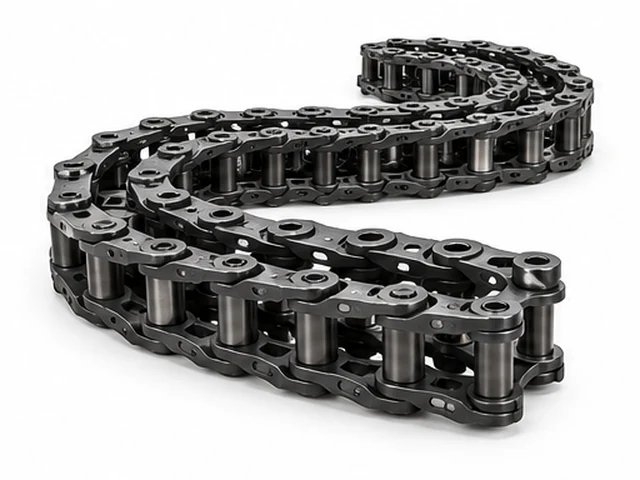
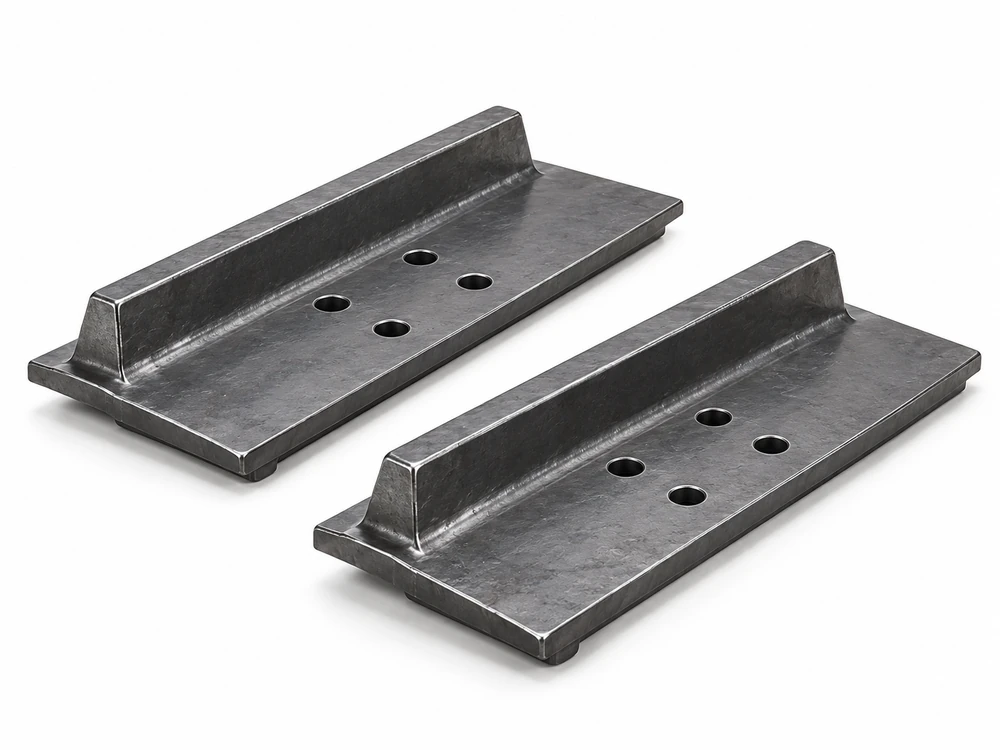
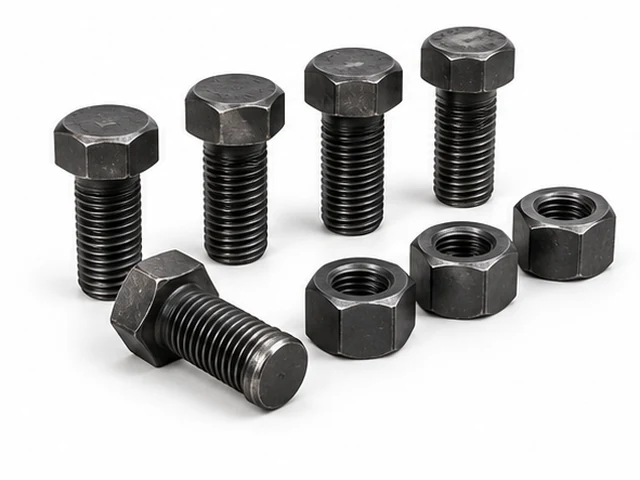
For a loose-chain quote, include the link count, connection style, and shoe specification. Ask the installer to check plate cracks, grouser wear, and bolt holes before agreeing to move the old shoes. Price that transfer work and the required fasteners with the chains. Reusing poor shoes can leave another repair waiting behind the first one.
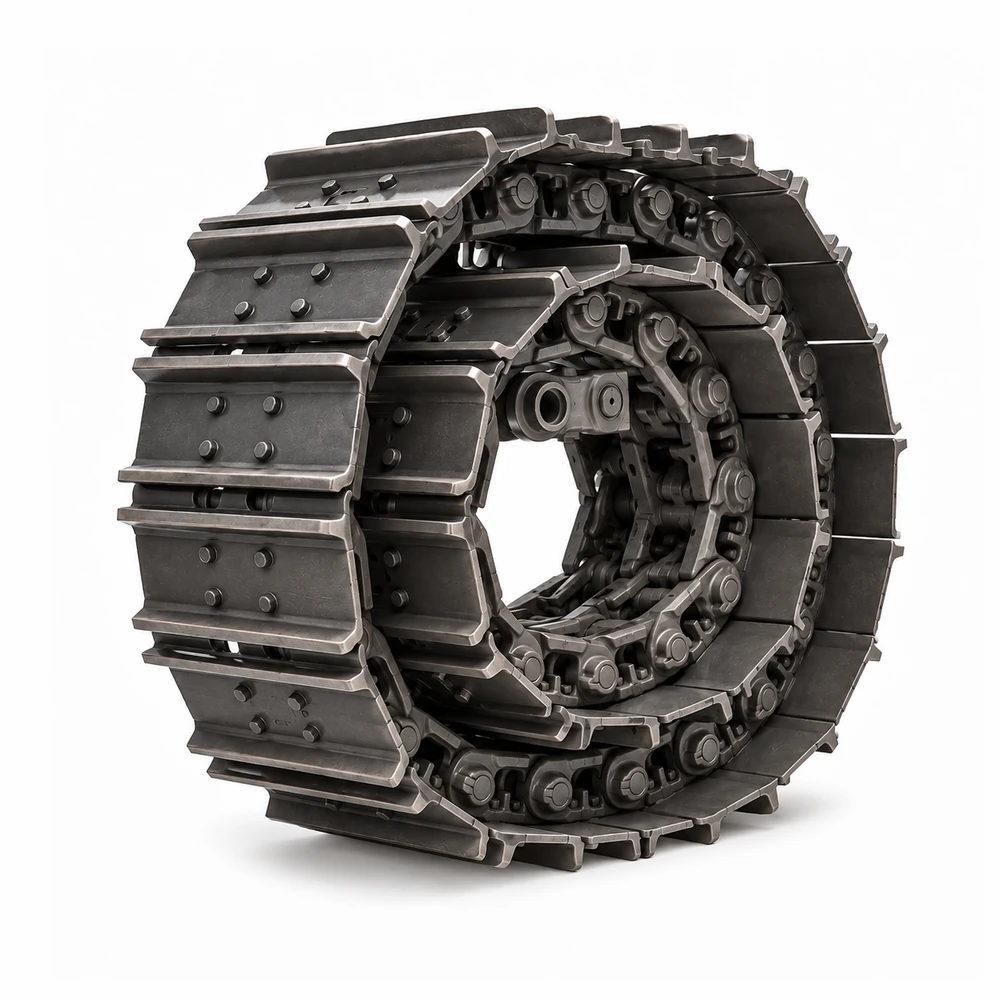
For assembled track groups, state whether you need one side or both. Ask the offer to identify shoe width, duty, grouser style, chain connection parts, and supplied hardware. A listing for a pair may look expensive beside a single-group listing even when the underlying cost is similar. Compare the same quantities and contents.
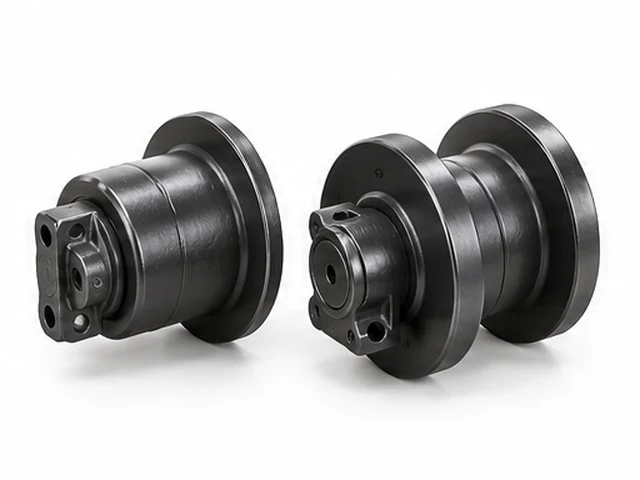
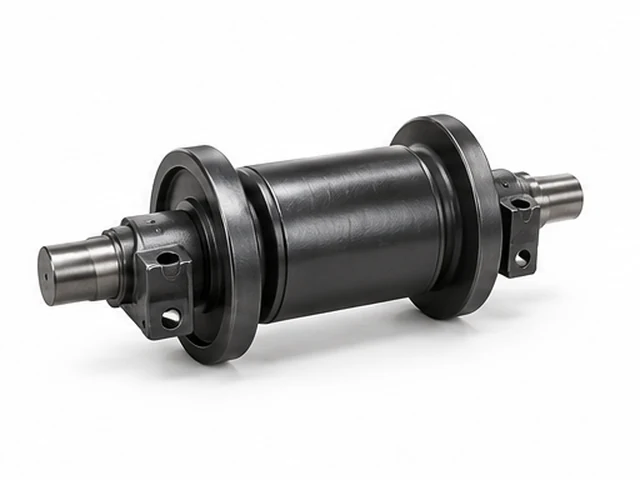
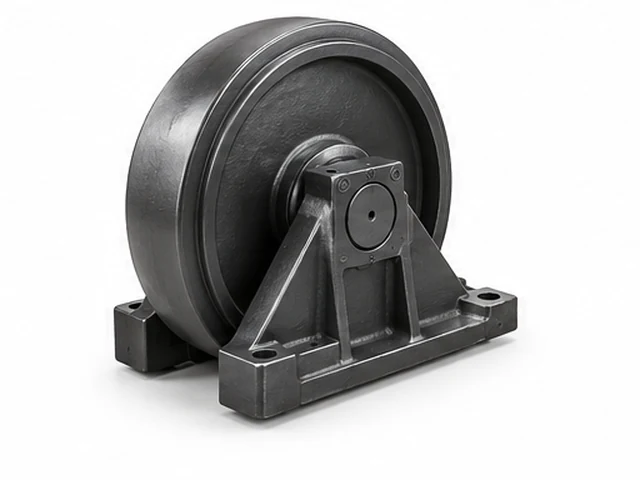
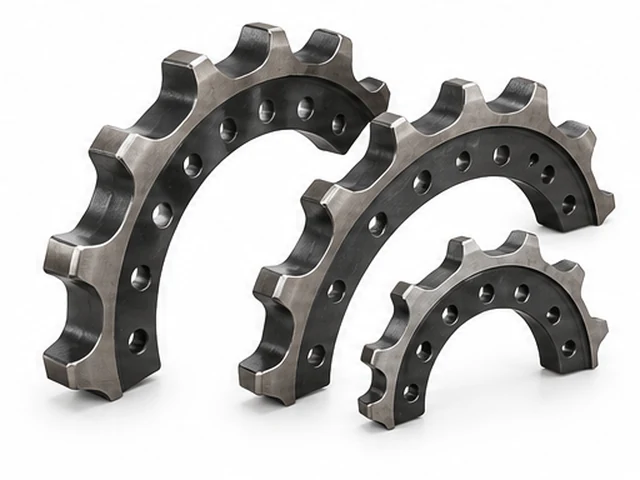
Individual rollers need position details as well as a part number. Mark lower and carrier rollers separately on a side photo. For idlers, explain whether supports are needed; for sprockets, distinguish one segment from a complete set for one side. These small distinctions help the quote match the work order.
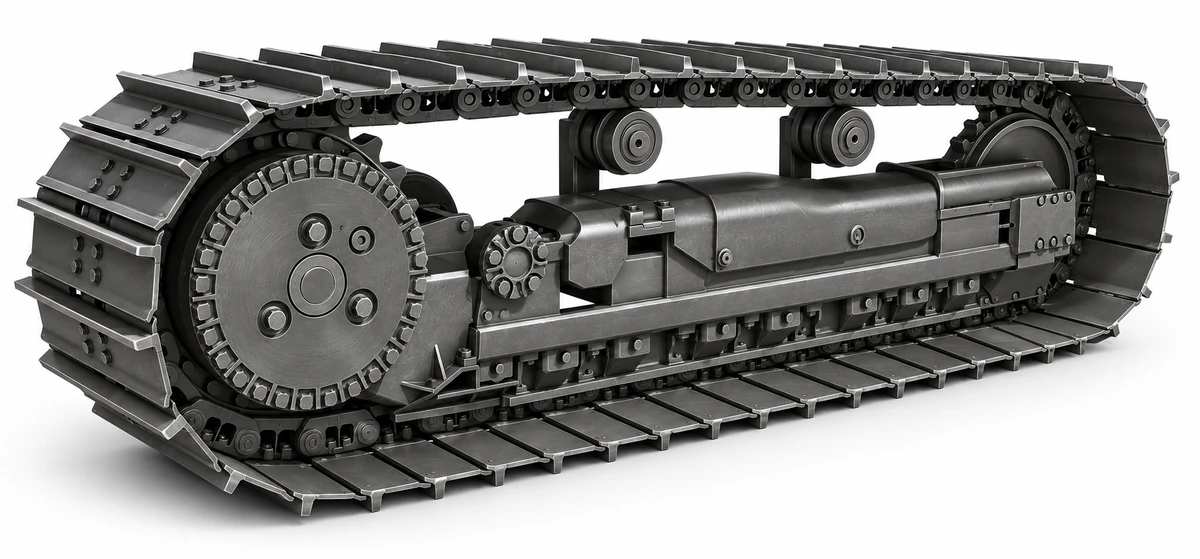
A complete kit should list every assembly and quantity, including connection pieces and fasteners. Keep guide, guard, adjuster, and frame work visible as separate repair items. Ask for actual availability, freight cost, and dispatch timing before scheduling the fitter. Fast quotes and shipping coordination are our service focus; any warranty coverage must be confirmed for the parts offered.
Part Information For Your 950J Quote
Send identification, condition, and timing information together. A clear request lets the reviewer resolve fit questions before a shipment is planned:
- Machine: full John Deere 950J designation, serial number or PIN, standard or LGP arrangement, and a readable machine plate photo.
- Installed tracks: chain markings, counted links per side, master connection photos, shoe width, grouser style, and records of previous track changes.
- Components: existing OEM or replacement references when available, separate quantities, roller positions, and photos of mounting interfaces.
- Repair findings: wear measurements, leaks or loose parts, uneven contact marks, and the installer's list of assemblies to retain.
- Frame details: overall views of both sides, guides and guards, plus any known frame, pivot, or tensioning repairs.
- Delivery: ZIP code, site access and unloading equipment, needed-by date, whether the machine is down, and any shop RFQ or parts photos.
If an identification mark is unclear, send a close photo and leave the uncertain number out of the order. Note whether a measurement is exact or estimated. Have a technician take measurements that require service access. The goal is to close those gaps before parts are approved, rather than discover them during installation.
Use the Undercarriage Quote Checklist to organize your machine records, or the Track Chain Buying Guide when identifying a chain and its mating parts.