
Aftermarket Parts For Your 750J Dozer
Build the parts request around the work your shop plans to do. A broken shoe, a leaking roller, and worn chains need different lists. Ask for direct-replacement aftermarket parts checked against the correct OEM application and the current assembly. The model name helps narrow the search; it does not confirm every mounting detail or chain option.
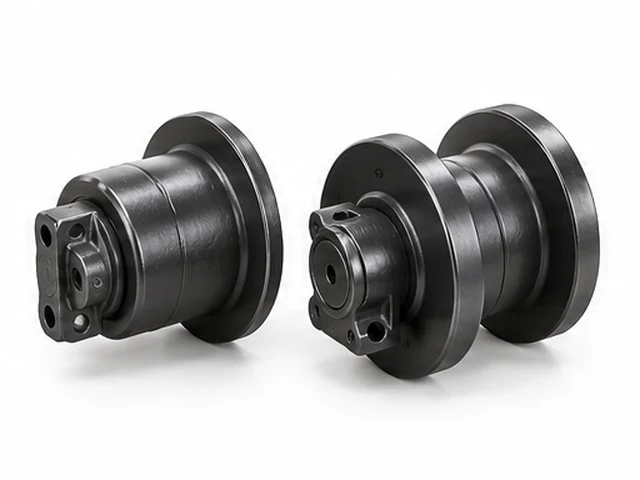
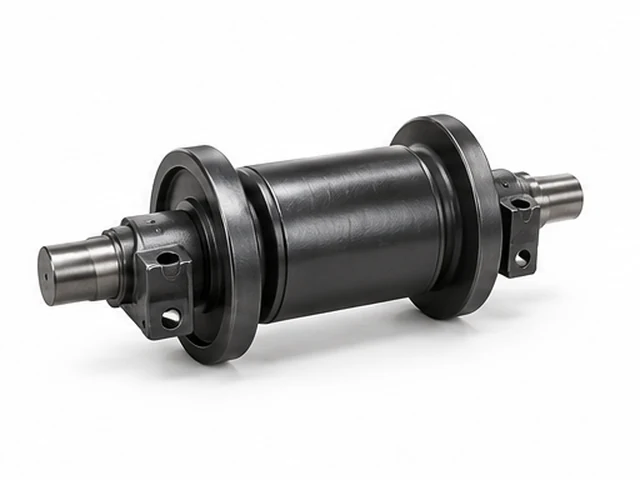
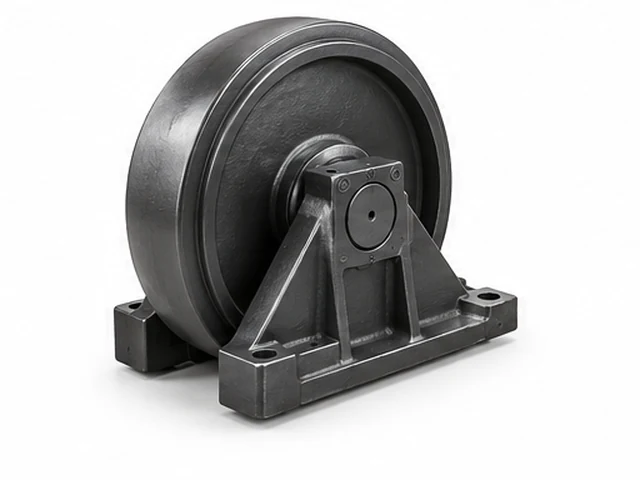
For a roller repair, number the positions from front to rear on each side. Mark the failed part on a photo and show its flange shape and mounts. This is especially useful when a machine has had earlier repairs. Have the shop inspect the rail running over that roller and explain whether other positions need work. Order the measured repair scope.
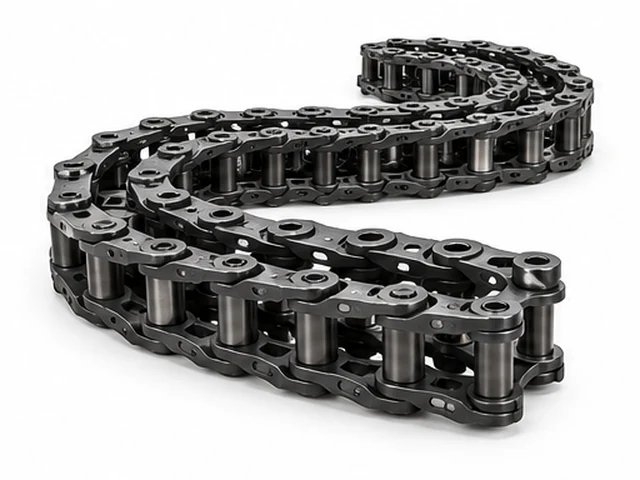
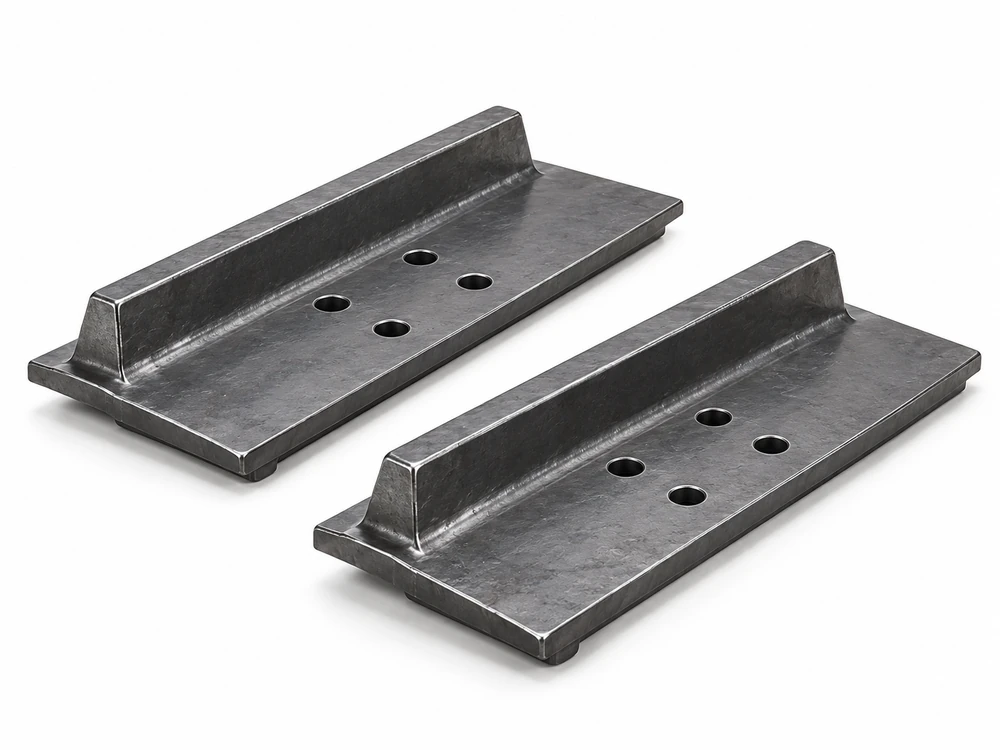
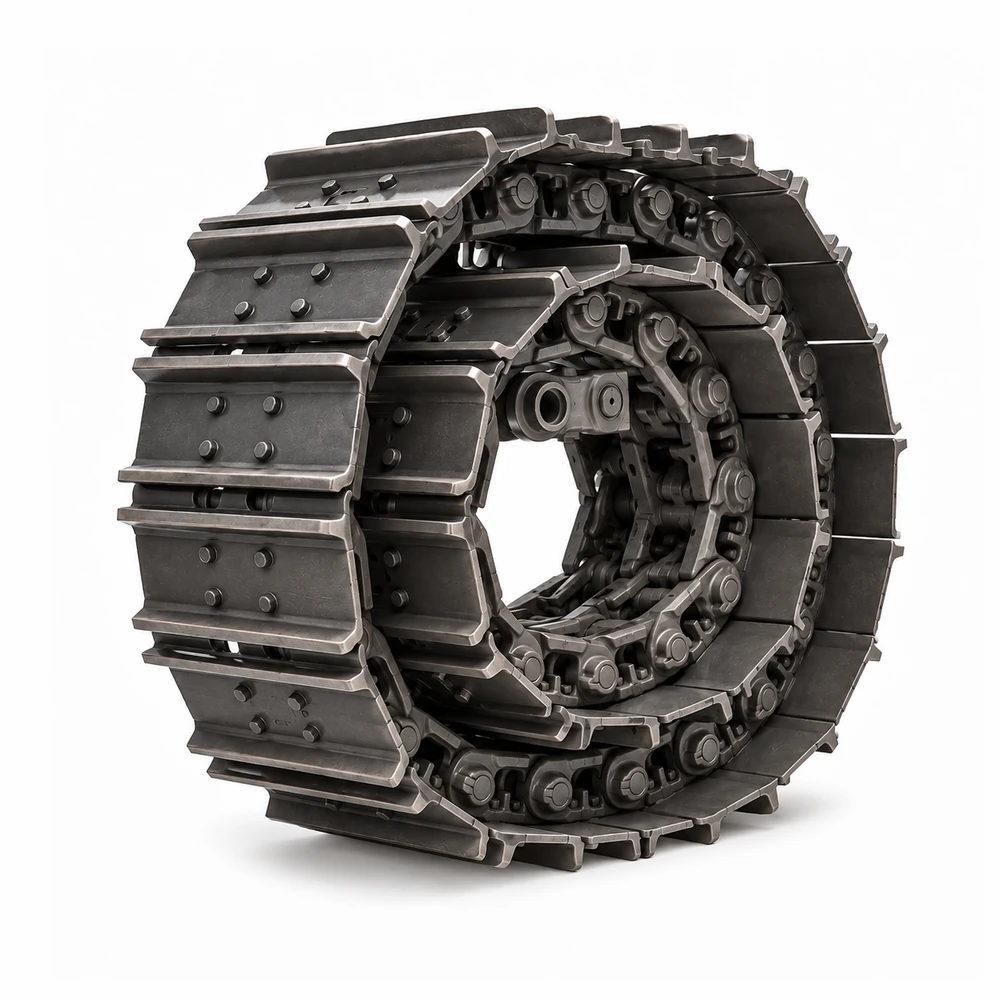
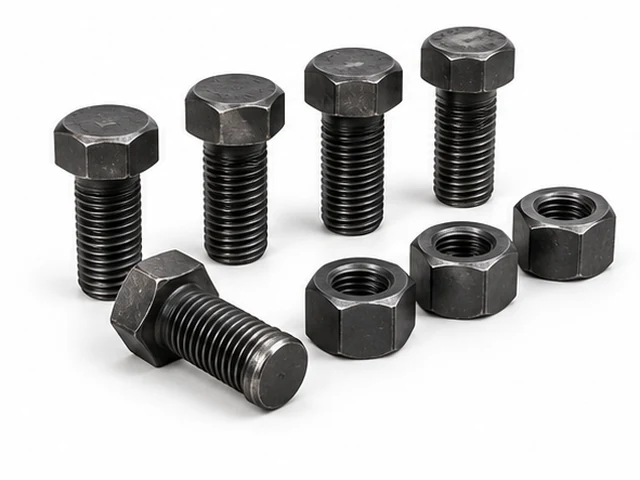
For loose chains, decide whether to move the old shoes before comparing prices. The shop should check plate cracks, grouser wear, bolt holes, and the cost of shoe transfer. Specify the chain connection and required fasteners. If the shoes also need replacement, ask for assembled track groups with the shoe width, duty, and supplied hardware stated.
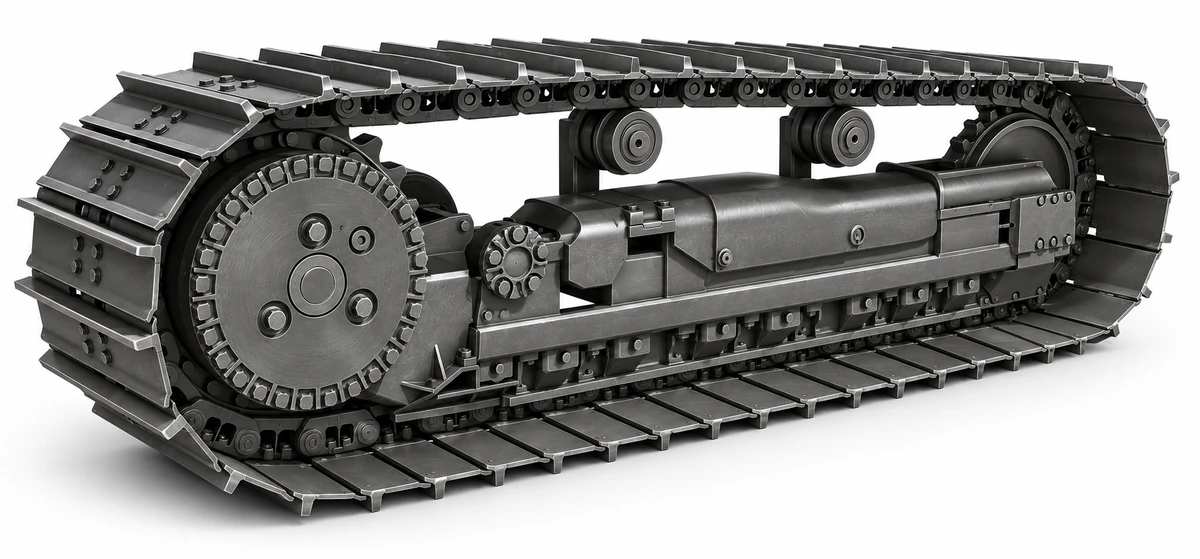
A complete kit should list each component and quantity. Include chains or groups, lower and carrier rollers, idlers, sprocket segments, and hardware where required. Keep guard, adjuster, and frame repairs on separate lines. Tell us what will stay on the machine so the proposed parts can be checked against those retained components.
Compare aftermarket and dealer quotes for the same assembly contents and repair scope. Ask for the total with freight, and include shop labor when comparing loose chains with assembled groups. Availability and any warranty terms must be confirmed for the offered parts. Our focus is fast quotes and shipping coordination to help reduce downtime; the quote should state the actual dispatch plan.
Part Information For Your 750J Quote
A 750J request is easier to review when machine identification, repair findings, and quantities arrive together. Send these details through the quote form:
- Machine: full John Deere 750J designation, serial number or PIN, and standard, LT, or LGP arrangement. Attach the machine plate photo; keep the engine serial separate.
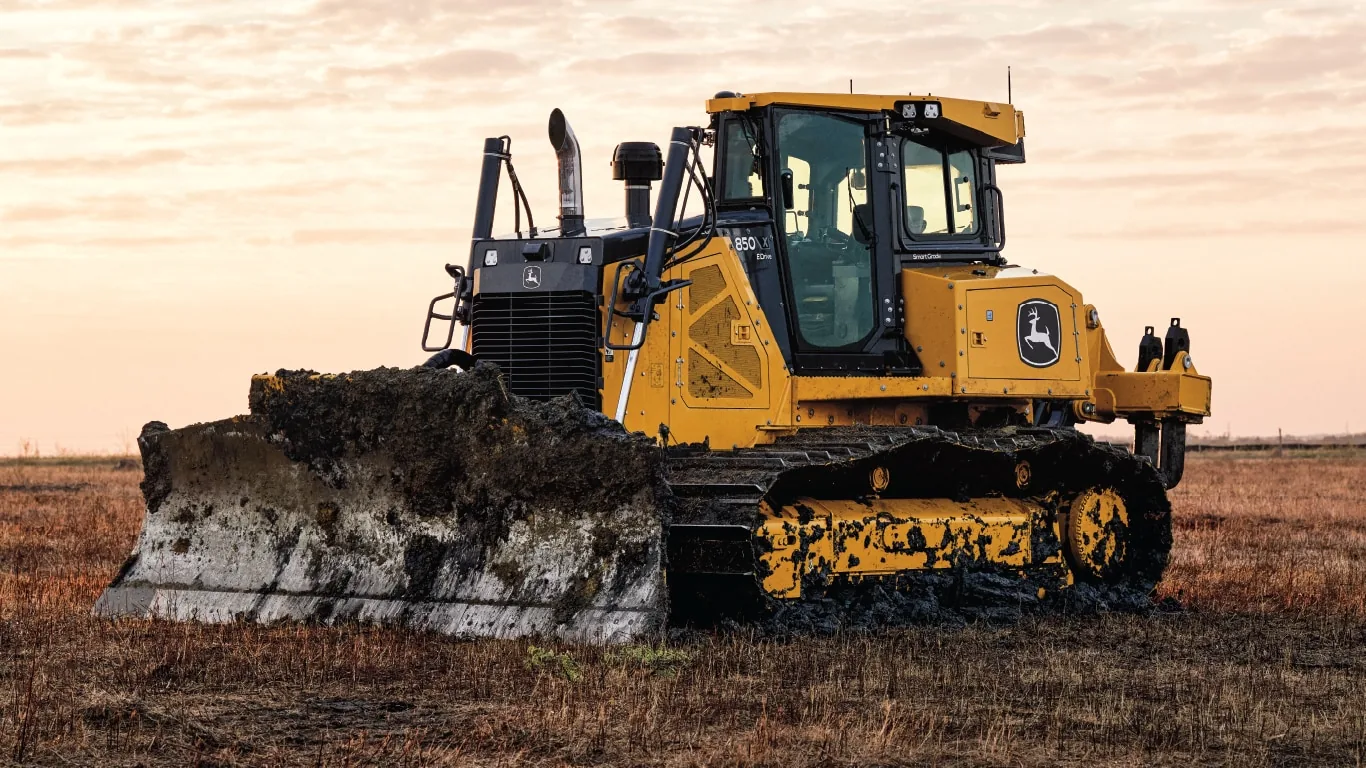
- Blade and frame: identify PAT or outside-mounted blade arrangement when known. Include a side photo showing the track frame, guards, and blade supports.
- Installed track: chain markings, actual links per side, shoe width and mounting pattern, master connection photo, and records of any earlier conversion.
- Parts: existing OEM or replacement references when available, separate quantities, and the side and position of each roller. State whether an idler needs brackets or supports.
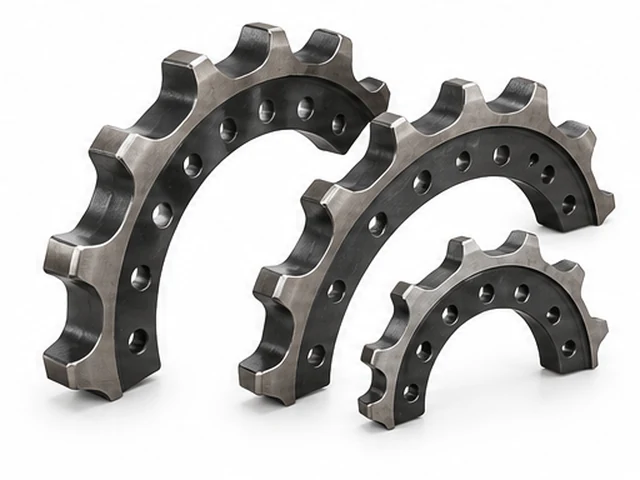
- Drive components: photos of the sprocket segments, readable numbers, mounting holes, and visible wear. Clarify whether the request is for individual segments or a complete set.
- Delivery: ZIP code, unloading equipment, site access limits, needed-by date, and Machine Is Down status. Upload parts photos, the wear report, or the shop RFQ.
Leave an uncertain part number blank and describe what you can see. Do not select a number from a similar-looking listing just to fill the field. We can review your records and identify what still needs checking. Ask your technician to take any measurements that require lifting, guard removal, or service access.
Use the Undercarriage Quote Checklist to organize your machine records, or the Track Chain Buying Guide when identifying a chain and its mating parts.