FAST QUOTES · FAST SHIPPING · LESS DOWNTIMEFor owner-operators, contractors & fleets

John Deere 350 Undercarriage Parts

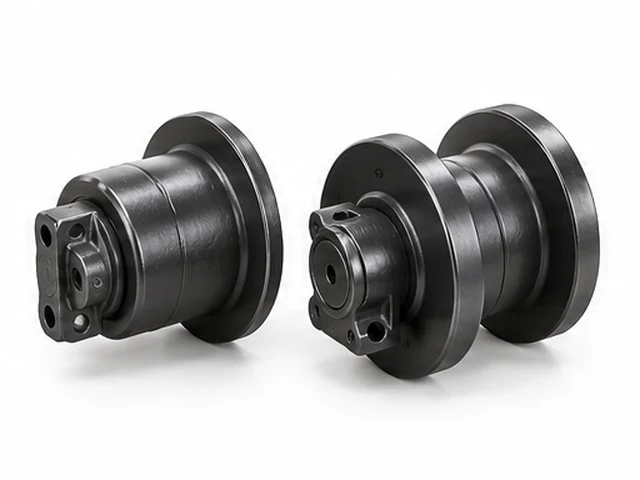
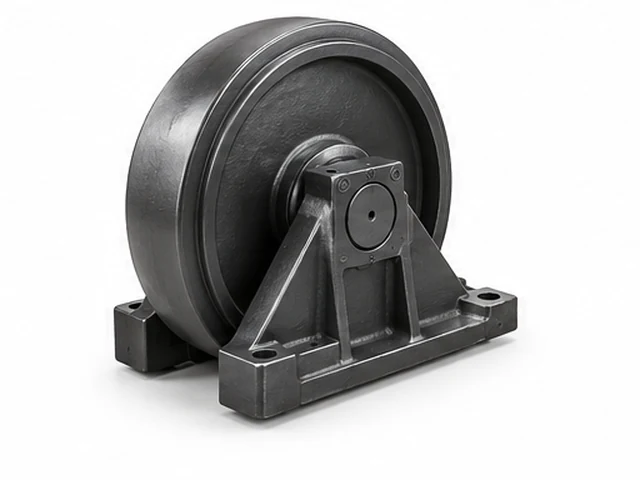
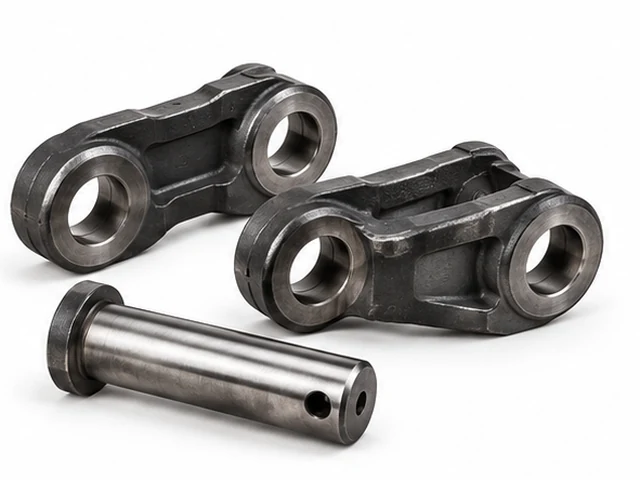
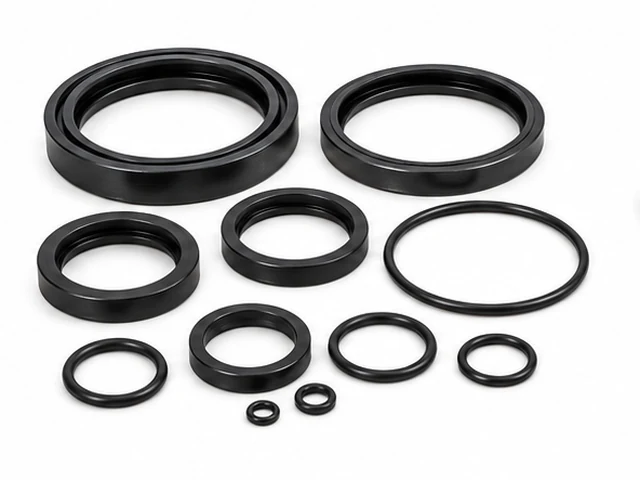
We supply aftermarket undercarriage parts for your John Deere 350, including track chains, rollers, idlers, sprockets, and shoes. This page helps owners maintaining older compact crawlers for property work and light earthmoving identify a compatible replacement and prepare a complete parts request. Request a fast quote with your machine details and delivery needs so we can help minimize equipment downtime.

Request A Quote

Aftermarket Parts For Your 350 Dozer

Keeping a useful 350 working starts with a repair sized to its condition. Compare an individual roller or idler with chains and an assembled package when several wear surfaces are exhausted; a low purchase price is less useful if another failure sends the tractor back to the shop.

Our aftermarket options are selected as direct replacements for the OEM references applicable to your 350. Matching OEM fit and dimensional specifications means checking the installed chain, mating components, mounting features, and serial application together. We help compare cost against equivalent dealer parts and review availability and shipping speed for the selected replacements.

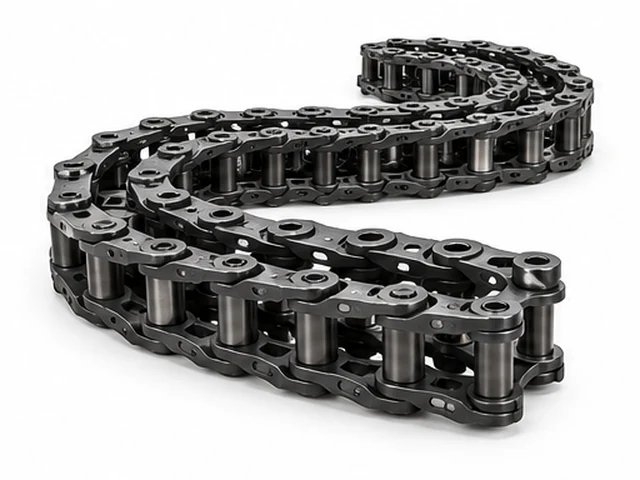
Order an individual component or request a complete undercarriage kit. Your kit quote should name its contents: chains, lower and carrier rollers, front idlers, sprockets or segments, shoes, and required hardware, with adjuster or connection components included where specified. Tell us which assemblies your shop will retain so the price and delivery plan cover the same repair scope.

Part Information For Your 350 Quote

Identify the exact 350 series and whether the chassis is a crawler tractor or loader. Include the full machine serial, rather than the engine number, and photographs showing the blade or loader installation. Older repair invoices can help identify replacement running gear.

  • Existing OEM and replacement part numbers: include readable markings, old invoices, quantities, and position-labeled photographs.
  • Full machine serial number or PIN: preserve every character, any prefix, and the complete 350 designation. An engine serial is a separate record.
  • Serial-plate location: use the identification illustration in the operator or parts manual for your exact 350 series. Send the plate image; if it is missing, attach machine photographs and available ownership or service records for our staff to review.
  • Configuration: Crawler tractor or crawler loader, full suffix, and actual frame arrangement. Add measured track gauge and shoe width, shoe type, and blade or other arrangement details shown in the machine record.
  • Track details: Count links and photograph the master joint. Measure installed shoe width and bolt spacing; confirm chain pitch from its number or a reliable multi-link measurement rather than the worn gap at one joint.
  • Delivery information: ship-to ZIP or postal code, access or unloading requirements, whether the machine is down, and your needed-by date.

After you submit, our parts staff reviews identification and the requested scope, resolves outstanding fitment details, and prepares itemized pricing with availability and shipping options. Complete records help us turn the quote around quickly. Confirm the quote turnaround, dispatch timing, and estimated transit for your specific order; tell us at the outset if the 350 is stopped or a technician is already scheduled.

Use the Undercarriage Quote Checklist to organize your machine records, or the Track Chain Buying Guide when identifying a chain and its mating parts.
About The John Deere 350 Bulldozer

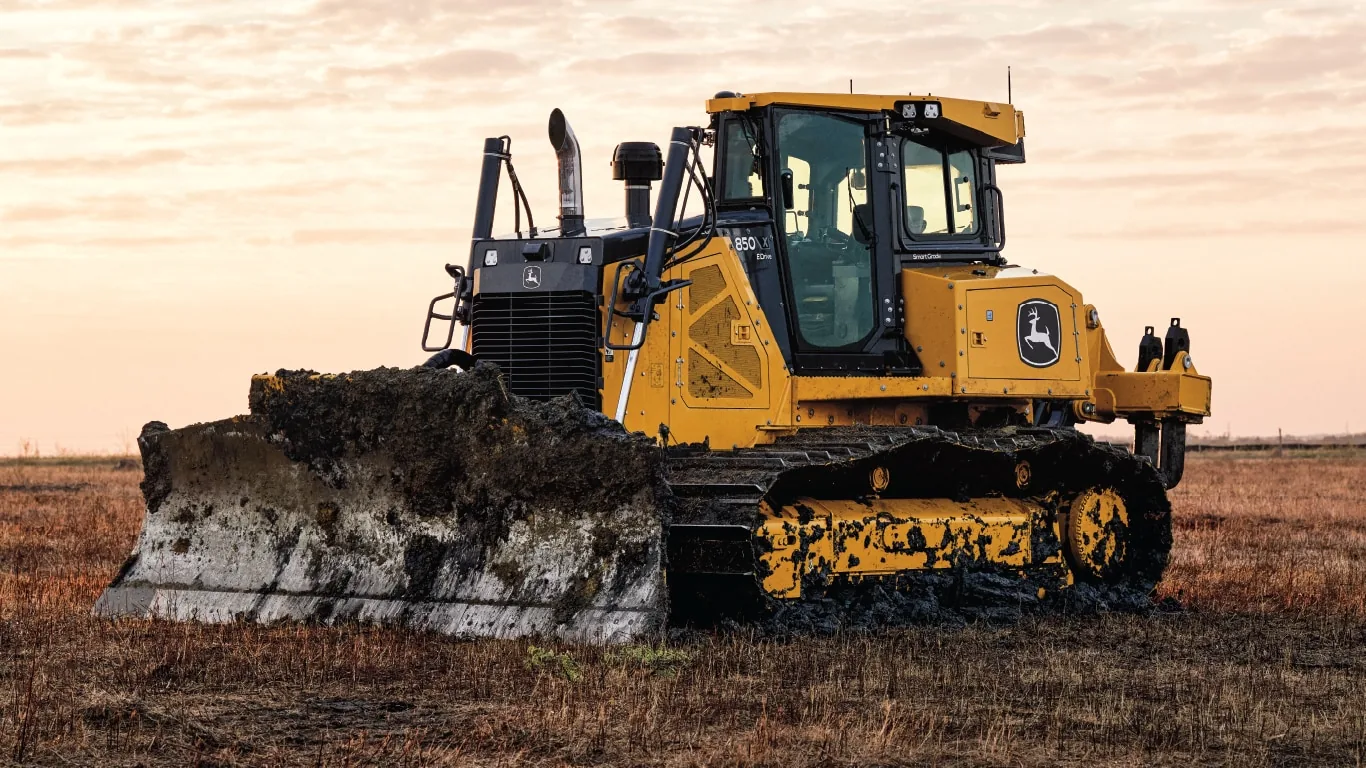
John Deere published the 350 as both a crawler tractor and a crawler loader. Its archived brochure describes three-cylinder engine choices and separately lists machine weights for the two applications. A blade-equipped property tractor therefore needs a clearer description than a shared 350 decal. The original brochure example below does not define every later 350 letter series or a machine rebuilt with different tracks.

John Deere 350 Manufacturer Reference Details
Reference Machine350 in the archived tractor/loader brochure
Diesel Engine300 Series, three cylinders, 152 cu. in.
Gasoline Engine Option300 Series, three cylinders, 135 cu. in.
Crawler Tractor Reference Weight7,895 lb
Separate ApplicationCrawler loader also documented; identify the chassis

Reference figures describe the named series and equipment, not every machine in the family. Check the record for your own serial number and installed configuration.

Distinguishing The 350 Dozer From Other 350 Models

A 350 crawler tractor and loader carry different application descriptions even before later suffixes enter the lookup. A 400G or 450 is also a separate Deere identity. Small size and visually similar shoes do not establish a common chain or roller. Retain the complete series, chassis serial, and replacement assembly numbers when investigating any proposed interchange.

How To Find The Right Undercarriage Parts For Your 350

  1. Identify the tractor first. Record the complete John Deere 350 designation and full PIN or serial, including any prefix or series. Use the identification illustration for that exact generation to locate the machine plate, and keep the engine tag separate. Send a clear plate photograph if any character is uncertain.
  2. Establish the installed configuration. Check crawler tractor or crawler loader, full suffix, and actual frame arrangement. Record track gauge, shoe width and type, and any previous undercarriage conversion. A build record describes the original tractor; the replacement must also work with the parts currently fitted.
  3. Document the component being ordered. Count links and photograph the master joint. Measure installed shoe width and bolt spacing; confirm chain pitch from its number or a reliable multi-link measurement rather than the worn gap at one joint. For a shoe, add bolt spacing and plate condition; for a roller or idler, record its position, flange or tread form, and mounting dimensions. Ask a technician to take measurements where access requires service work.
  4. Check application changes before accepting a cross-reference. Give our staff the complete serial so the proposed OEM replacement reference can be checked for applicable serial breaks, revisions, and supersessions. A similar model name, pitch, or wheel diameter does not establish interchange with a sibling tractor.
  5. Confirm the complete order. Have our parts staff review unresolved markings or photographs, then agree on assemblies, quantities, supplied hardware, retained parts, and shipping. Compare new parts with the approved specification before installation, and have qualified technicians follow the correct service procedure for handling, connection, torque, and track adjustment.

Preserving A Serviceable 350 Without Replacing Every Component

Start an older-tractor repair with a both-side wear report and a realistic work plan. Record roller rotation, rail condition, sprocket contact, idler guidance, and adjustment travel. A leaking roller can justify a targeted repair when the remaining system is sound; widespread rail and joint wear calls for a different estimate.

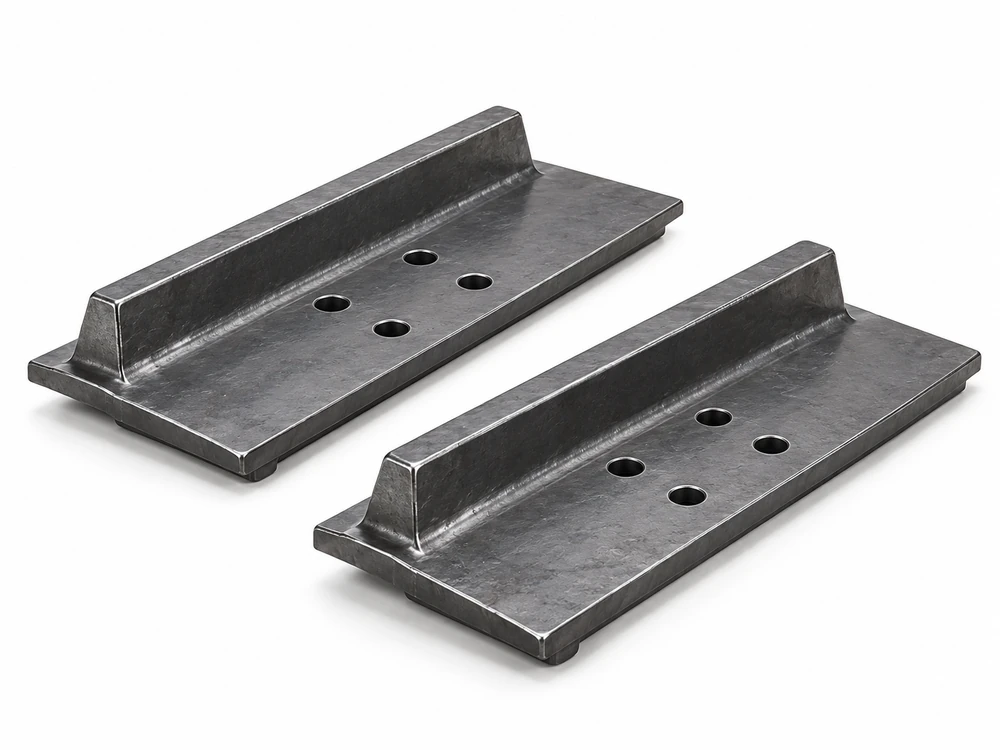
Check shoes before deciding to reuse them on new chains. Cracks, elongated holes, and damaged seating faces can erase the saving once transfer labor and new hardware are included. Ask for the scope to identify retained shoes, supplied chains, and fastening parts separately, then align dispatch with the workshop’s availability.

Fast Quotes. Fast Shipping. Less Downtime.

Send your machine, parts list, delivery ZIP code, and needed-by date. Confirm availability and shipping options for your repair.

Get A Fast Parts Quote