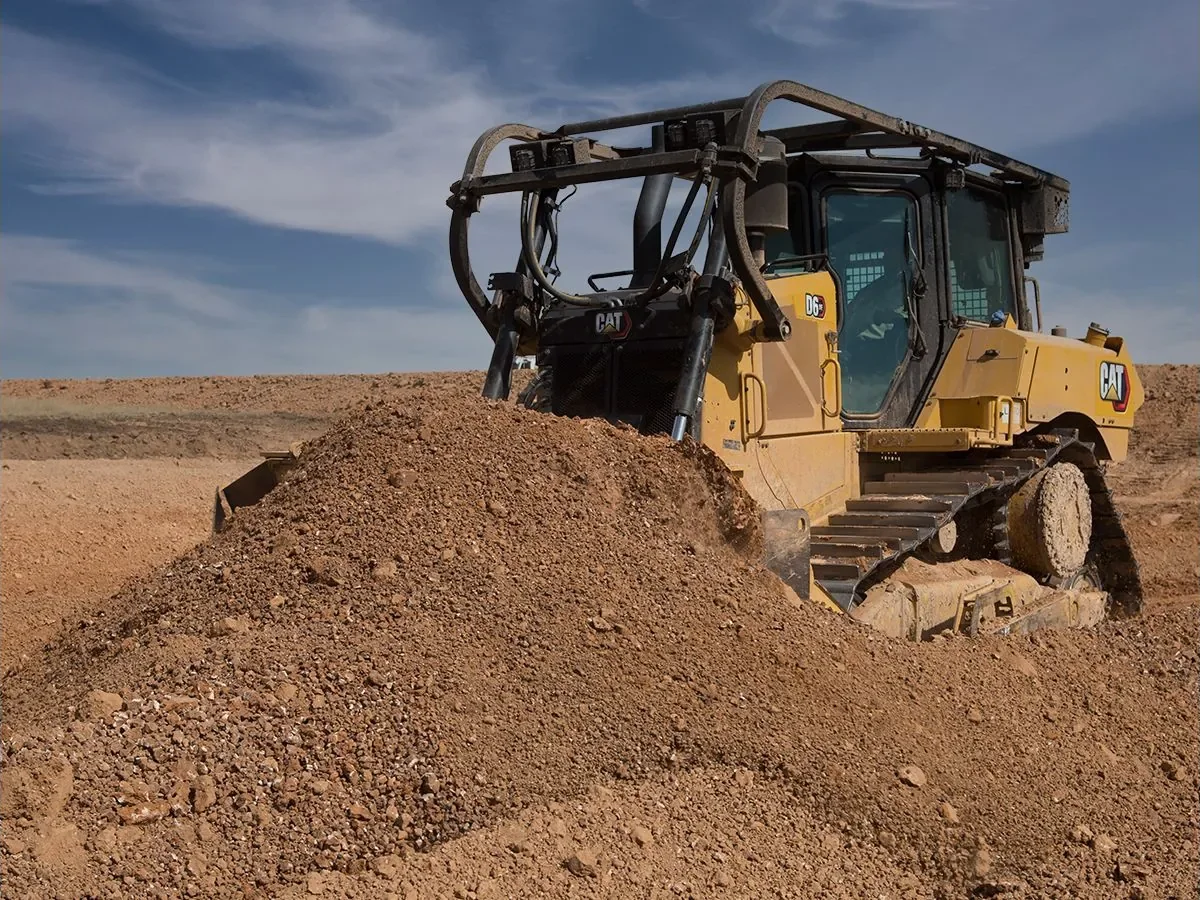

Aftermarket Parts For Your D9G Dozer
Commercial D9G catalogs frequently group components with D9H or divide D9G applications into versions. Those pages are useful research leads, not universal interchange tables.
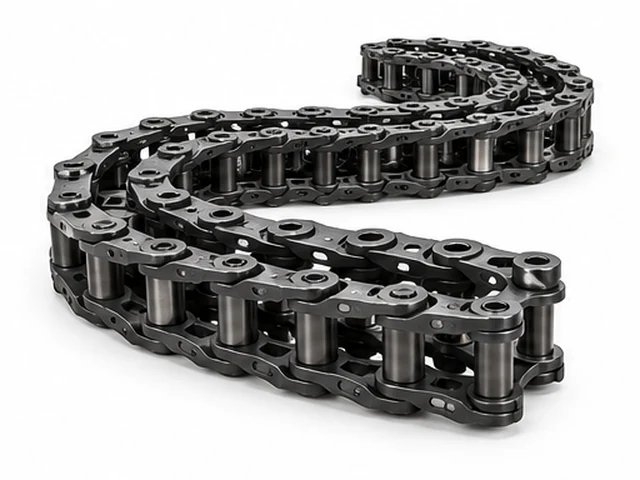
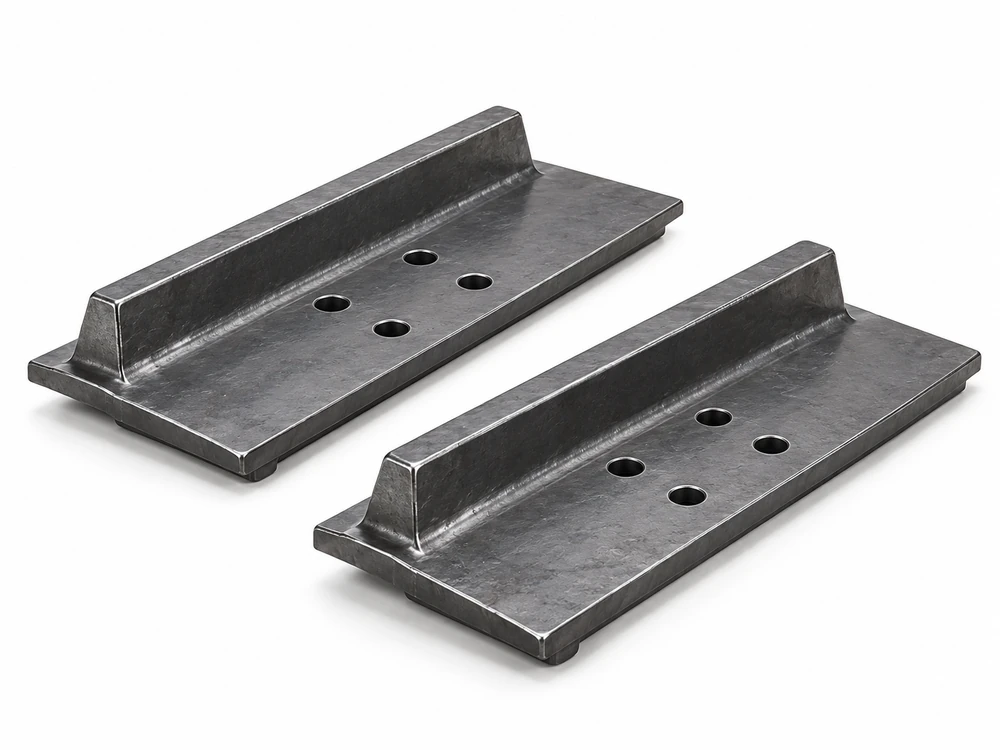
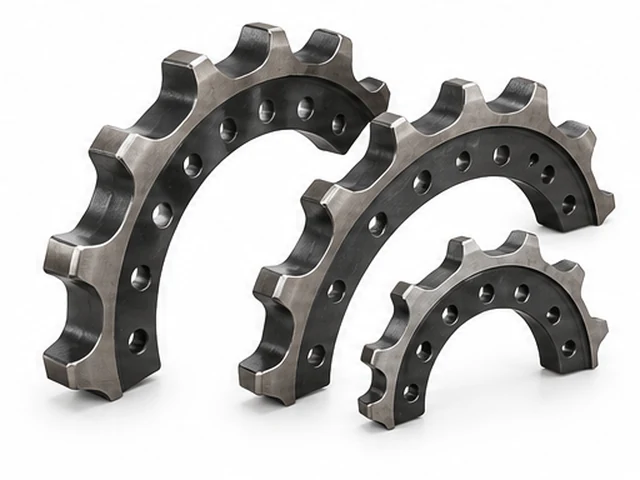
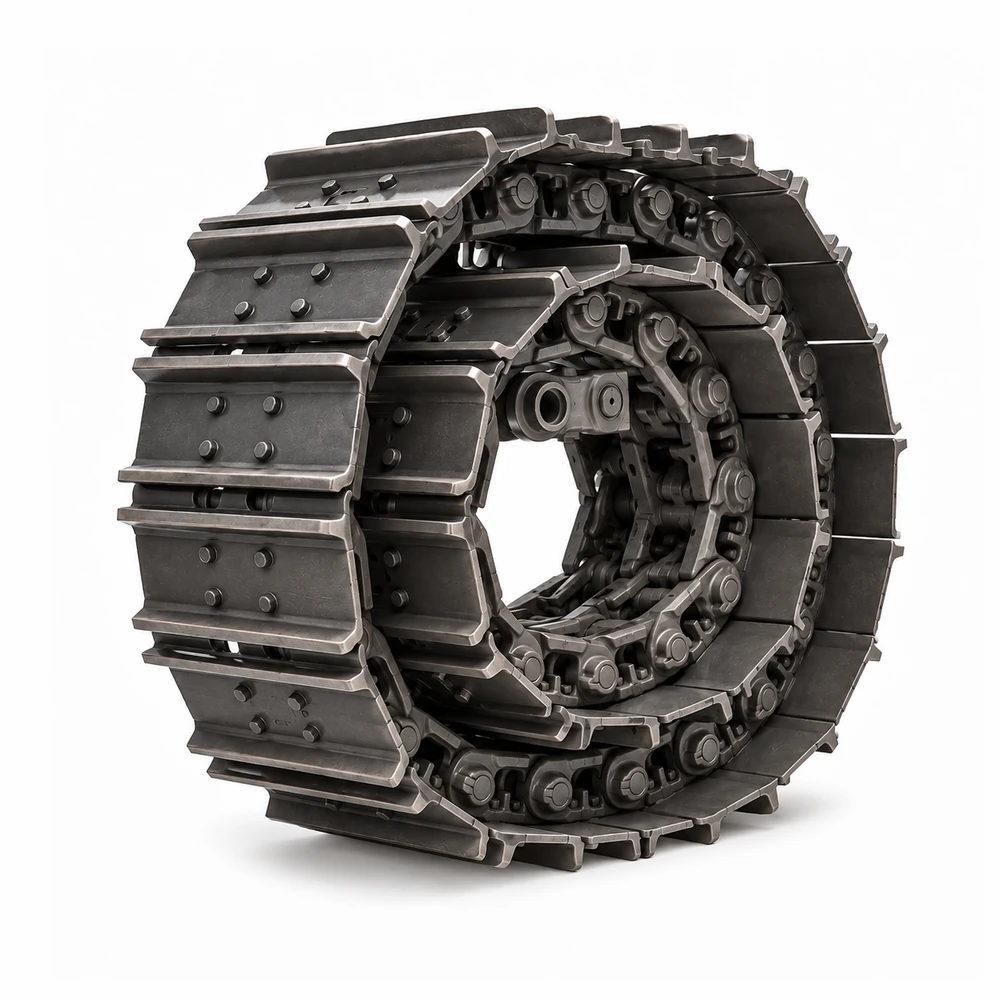
Record links, master connection, shoes, mounting details, chain references, and sprocket engagement. Do not copy seller part numbers, serial ranges, quantities, or availability without confirming the actual tractor.
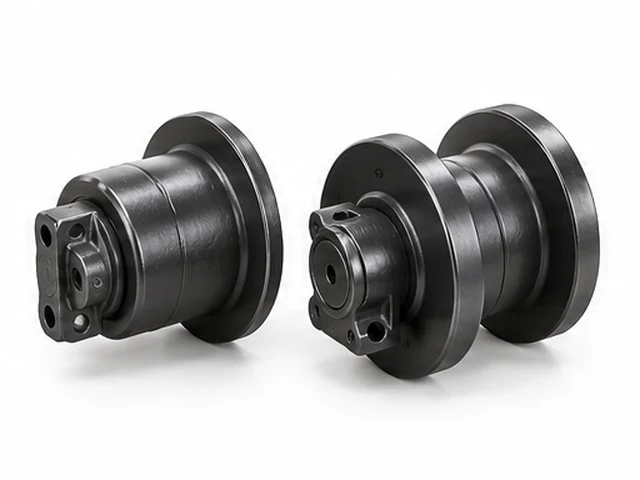
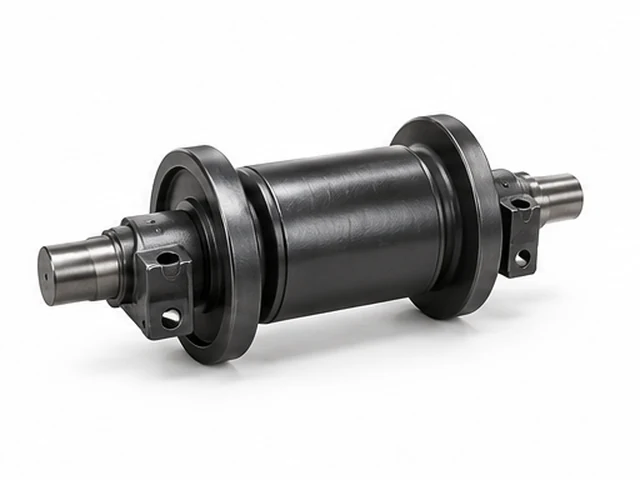
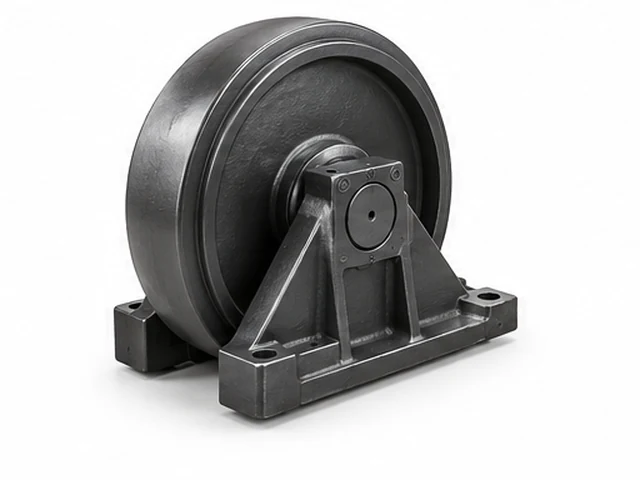
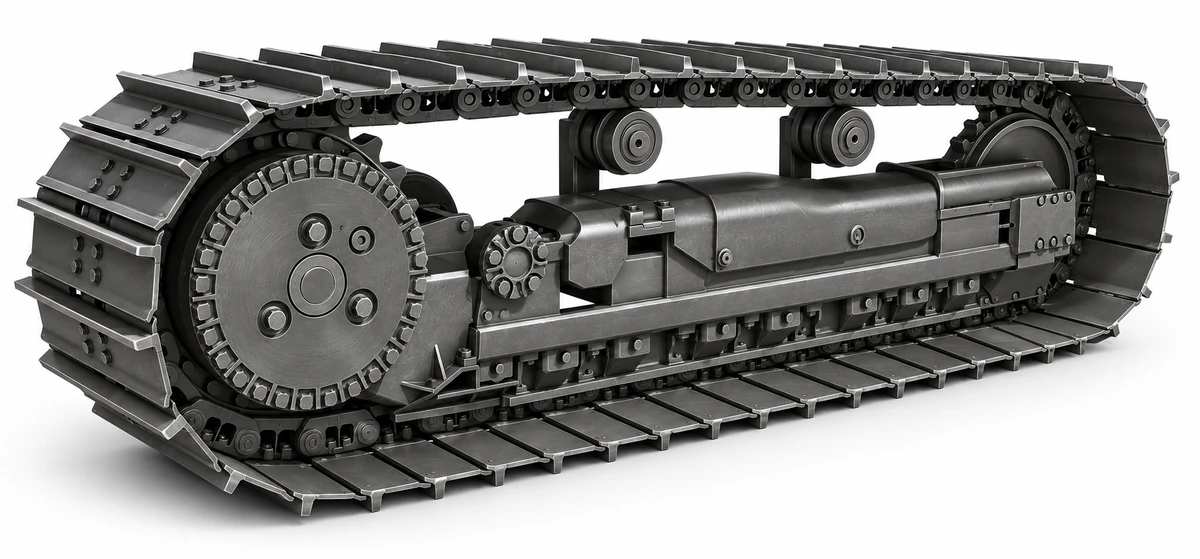
Map lower and carrier rollers, idlers, caps, mounts, guards, guides, recoil components, and drive parts by side and position. Keep structural frame repairs separate.
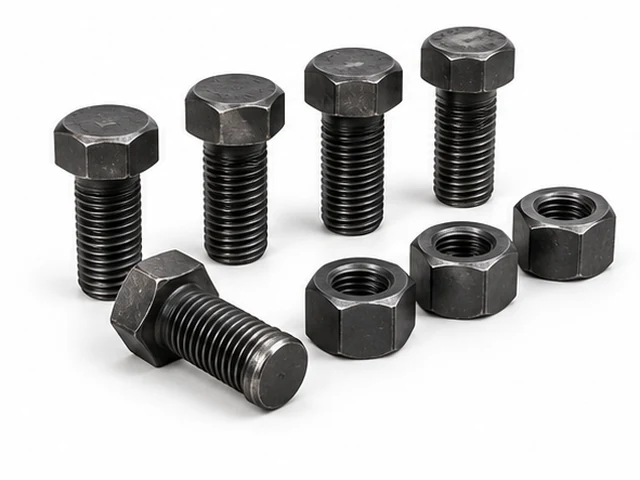
Define both track sides, every assembly and quantity, retained items, joining pieces, and fasteners. Confirm approved fitment, actual availability, packed weights, dimensions, carrier access, unloading, returns, and warranty.
Part Information For Your D9G Quote
Give the parts team the D9G serial, conventional-frame evidence, component map, repair scope, and logistics:
- Complete D9G serial, plate image, and rebuild or conversion records.
- Wide images of both conventional frames plus chains, rollers, idlers, drive parts, shoes, guards, and damage.
- Chain markings, links, master connection, shoe details, measurements, and sprocket-contact photos.
- Roller and idler map with side, position, flange form, mounts, caps, supports, and quantities.
- Individual components or complete groups, retained parts, repair sides, hardware, and structural-work boundary.
- Destination, access limits, unloading capacity, needed-by date, and machine-down status.
Keep D9G/D9H grouping and seller version claims open until serial and installed evidence settle the application. Confirm exact assemblies and heavy freight before teardown.
Use the Undercarriage Quote Checklist to organize your machine records, or the Track Chain Buying Guide when identifying a chain and its mating parts.