
FAST QUOTES · FAST SHIPPING · LESS DOWNTIMEFor owner-operators, contractors & fleets

Caterpillar D7F Undercarriage Parts

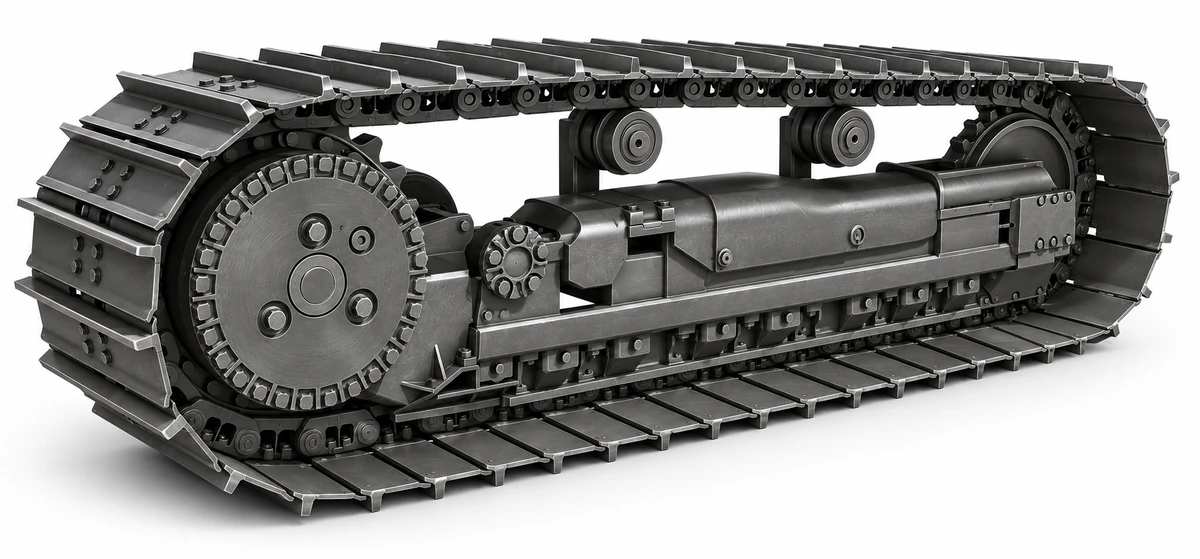
Request aftermarket chains, rollers, idlers, sprockets, and shoes for a Caterpillar D7F track-type tractor. Start with the complete serial and document the conventional track frames and components now installed. Use the quote form to confirm fitment and coordinate freight.

Request A Quote

Aftermarket Parts For Your D7F Dozer

Caterpillar retains a D7F equipment record with serial entry, undercarriage categories, diagrams, and manuals. Older service histories can leave replacement components that differ from an abbreviated fleet record. Send the plate, installed references, and prior invoices together.

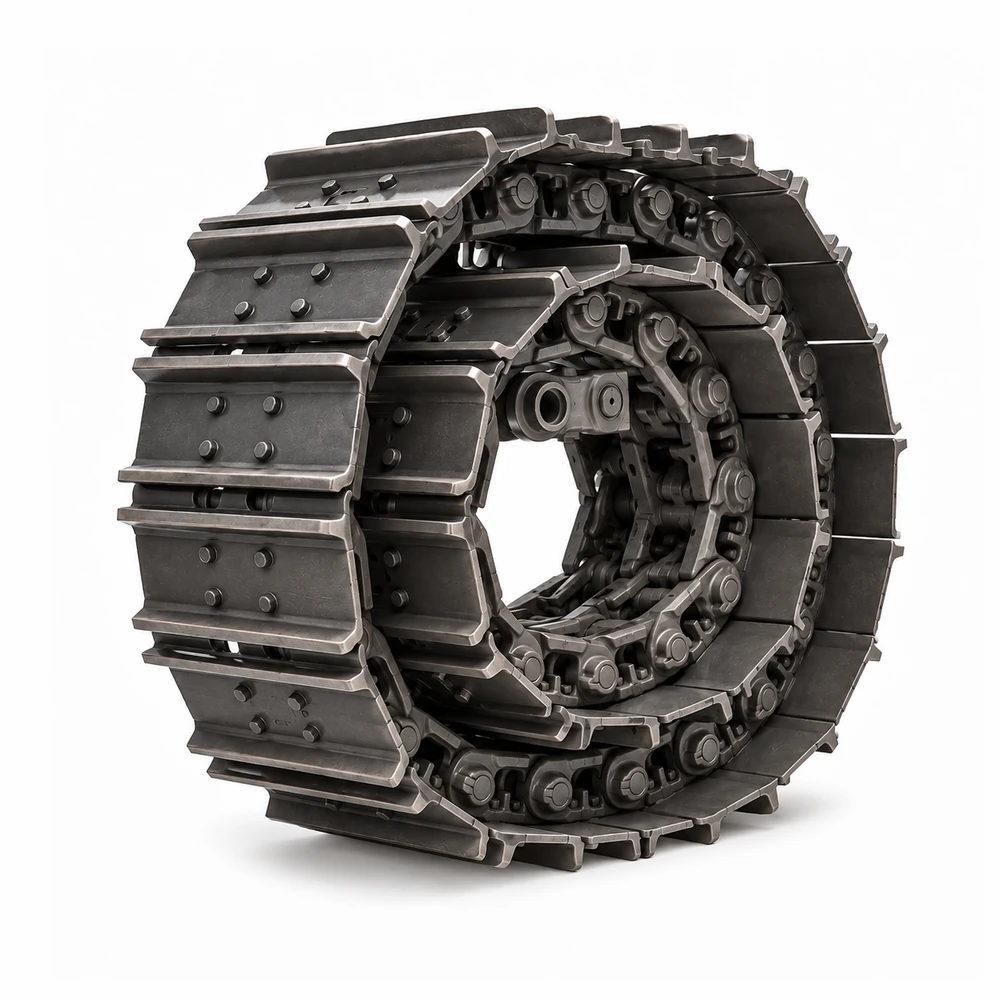
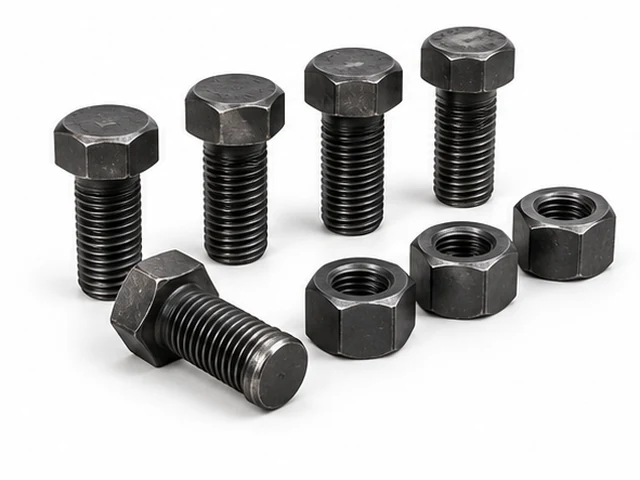
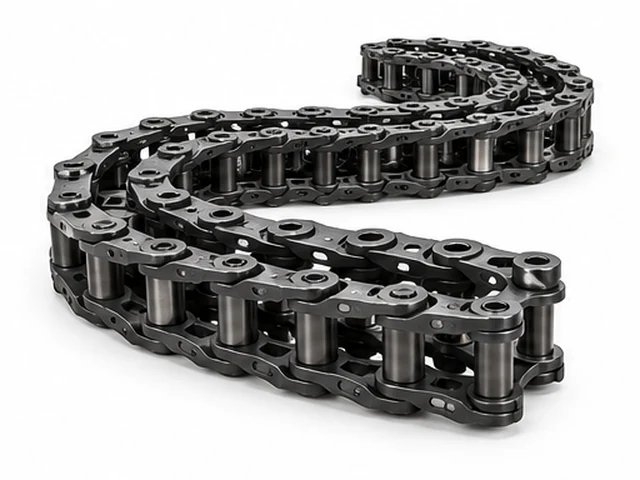
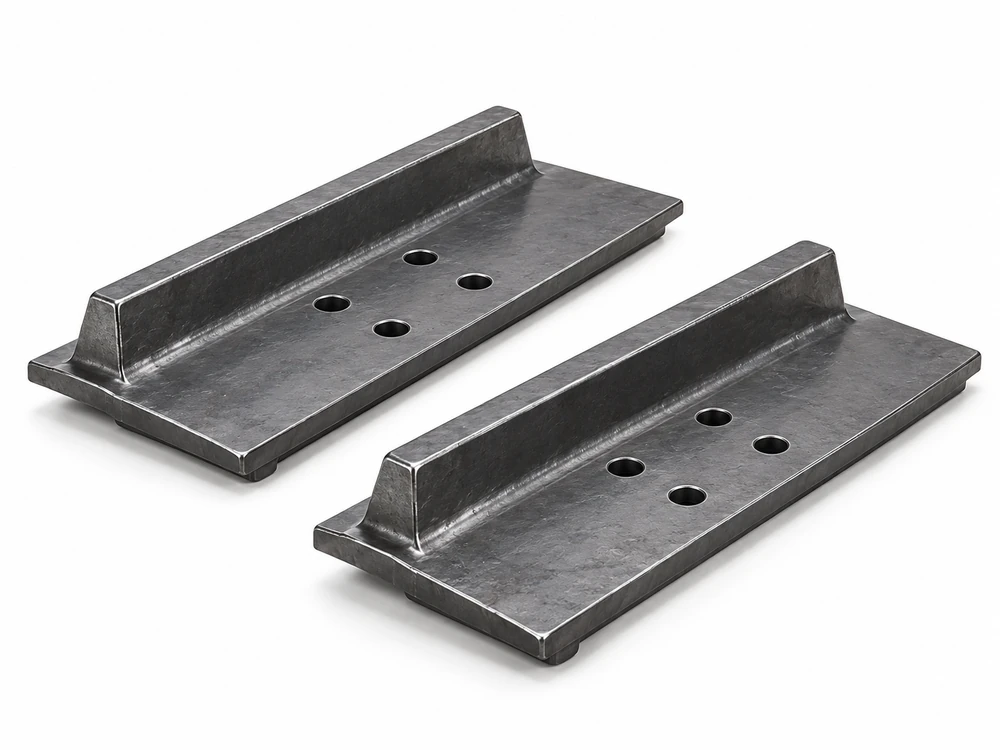
For chains or groups, count links and document the joint, shoe width, grouser form, bolt pattern, and sprocket engagement. Shoe reuse requires inspection of plates, holes, grousers, and seating surfaces. Include transfer labor, joining work, and new specified hardware.

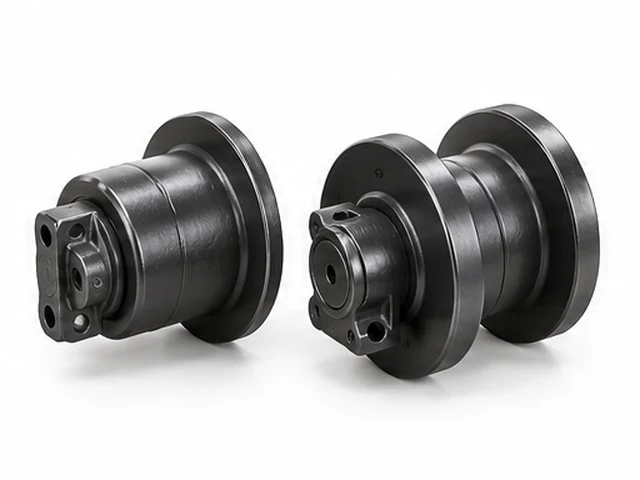
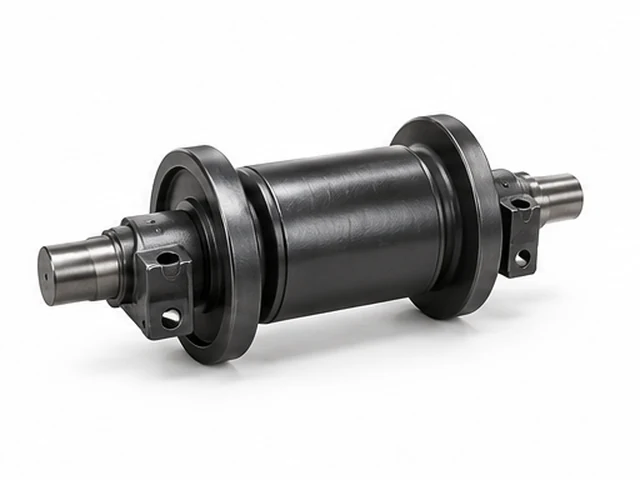
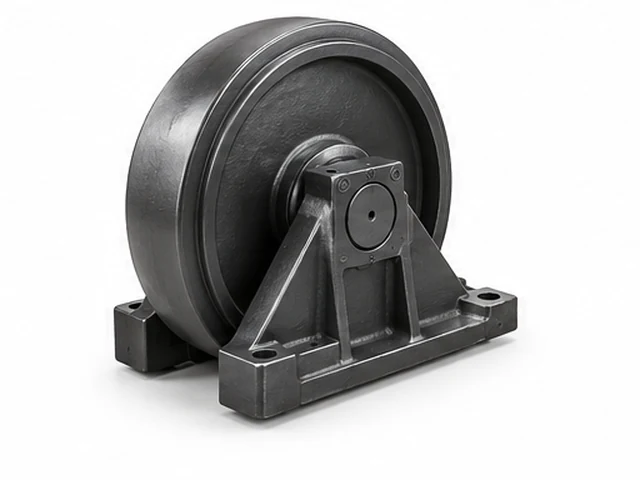
Map lower and carrier rollers front to rear and identify flange form. Show caps, mounts, tread, guards, and idler supports. Commercial pages may divide D7F applications by version or power-shift wording; preserve the actual machine identity and let the serial lookup resolve the offer.

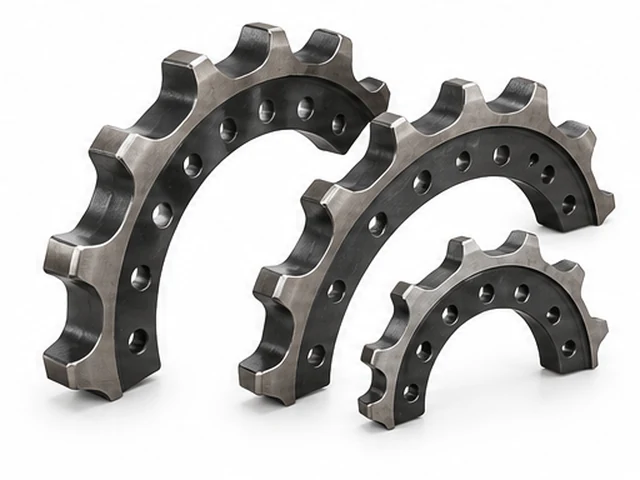
Itemize both track sides, rollers, idlers, drive components, shoes, master parts, and hardware. Add adjuster, recoil, guard, guide, or frame work only when inspection includes it. Confirm weights, dimensions, carrier access, availability, dispatch, and unloading.

Part Information For Your D7F Quote

Keep the D7F identity, installed conventional undercarriage, and freight plan together:

  • Complete D7F serial number, identification-plate photograph, and available service records.
  • Track arrangement, shoe width and type, gauge when requested, blade setup, and known changes.
  • Chain references, links per side, master connection, requested measurements, and drive photos.
  • Roller and idler position map, flange forms, caps, mounts, supports, quantities, and references.
  • Loose chains or groups, components to retain, joining parts, shoe hardware, and repair sides.
  • Delivery postal code, commercial access, unloading capacity, needed-by date, and machine status.

A multi-model seller catalog does not establish D7F interchange. Use the complete serial and installed interfaces to support the current replacement. Confirm availability, dispatch, shipment grouping, freight, transit, returns, and warranty terms before authorizing the repair.

Use the Undercarriage Quote Checklist to organize your machine records, or the Track Chain Buying Guide when identifying a chain and its mating parts.
About The Caterpillar D7F Bulldozer

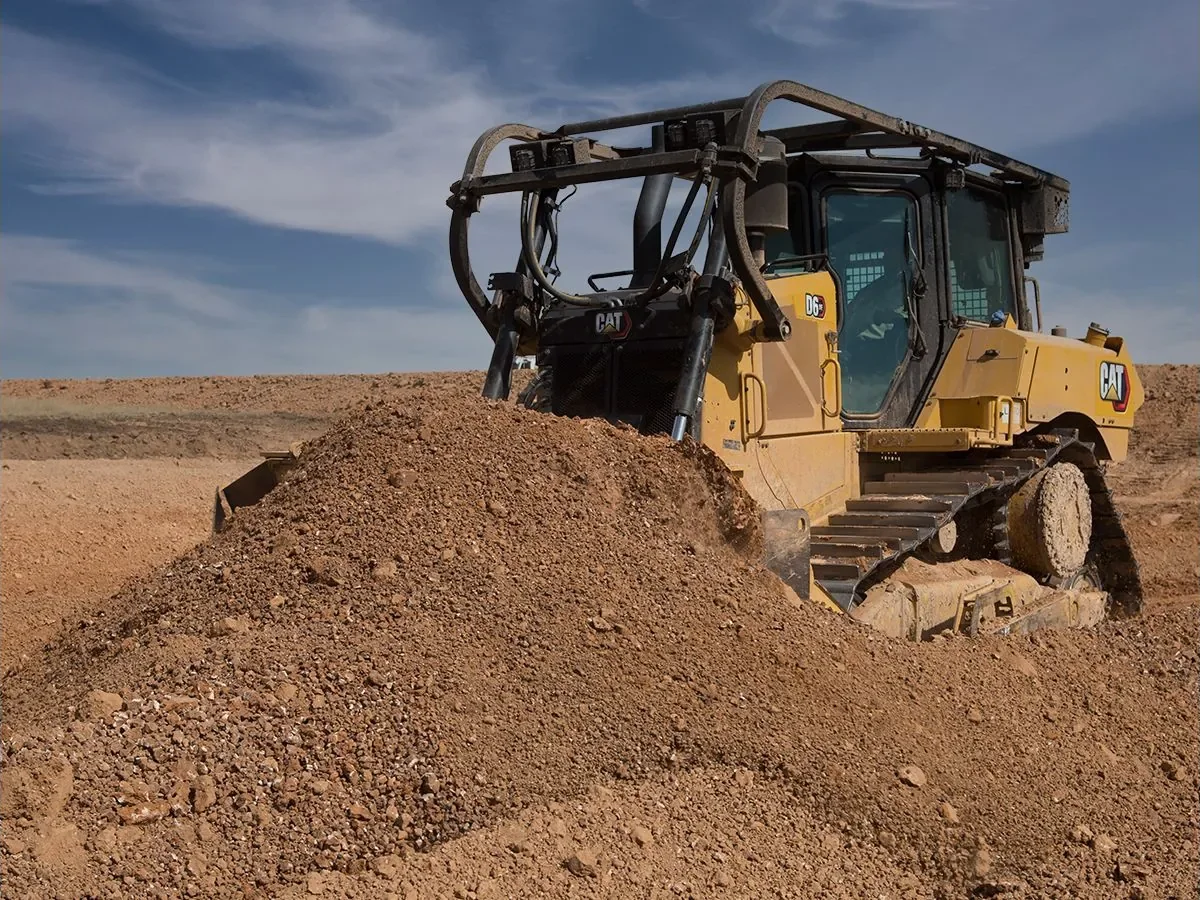
The Caterpillar D7F is a historical track-type tractor supported in the Cat Parts Store. The manufacturer resource provides serial-based parts lookup and an undercarriage category. D7F tractors have served in grading, clearing, road building, earthmoving, and drawbar work through multiple repair cycles.

Caterpillar D7F Manufacturer Reference Details
Manufacturer ReferenceCat Parts Store D7F equipment dashboard
Machine TypeHistorical track-type tractor
Undercarriage LayoutConventional low-drive track frames
Parts ResourcesSerial entry, diagrams, manuals, and undercarriage category
Ordering EvidenceChains, rollers, idlers, drive parts, shoes, and hardware
Fitment RuleVerify serial, position, mount, and installed design

Reference figures describe the named series and equipment, not every machine in the family. Check the record for your own serial number and installed configuration.

Distinguishing The D7F Dozer From Other D7 Models

Keep the F suffix. D7F, D7G, D7H, D7R, and current D7 machines are separate records. D7F and D7G use conventional layouts, while the later D7H uses elevated sprockets. Shared family size or a commercial grouping is not proof of interchange.

How To Find The Right Undercarriage Parts For Your D7F

  1. Read and photograph the complete D7F serial rather than relying on a hood decal.
  2. Photograph full left and right frames, shoes, chain joints, drive areas, guards, and repairs.
  3. Count links and map rollers and idlers by side and position with supports and mounts visible.
  4. Have a technician inspect chains, drive surfaces, rolling components, shoes, guidance, tensioning, and alignment.
  5. Confirm assemblies, quantities, mating parts, hardware, serial fitment, freight units, and unloading.

D7F Conventional Components Need Position-Labeled Evidence

Start with a full frame photograph, then label detail images left or right and front to rear. Position context helps distinguish rollers, idlers, guards, and mounts.

Compare both sides before treating one assembly as original. A prior repair may have mixed components or replaced only the failed side.

If a seller lists several D7F versions, ask what serial application and physical interface support the offered assembly. Do not copy the seller's serial ranges as verified manufacturer facts.

For large chains or groups, obtain actual shipment weights and dimensions after fitment is confirmed. The receiving plan should match the workshop sequence.

Fast Quotes. Fast Shipping. Less Downtime.

Send your machine, parts list, delivery ZIP code, and needed-by date. Confirm availability and shipping options for your repair.

Get A Fast Parts Quote